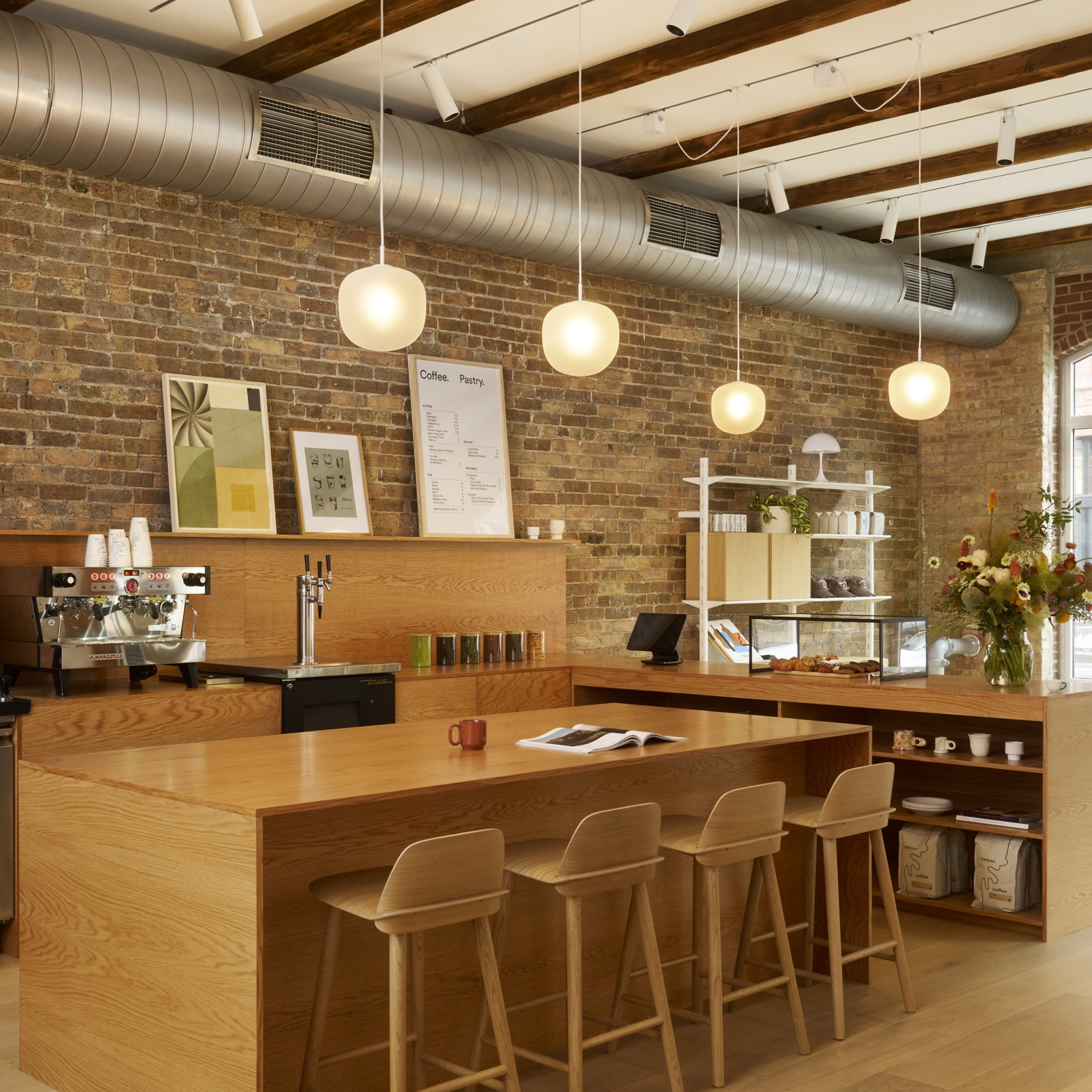
Furniture showrooms are not generally where people go to slow down. During Chicago’s annual Design Days festival, Design Within Reach and Canyon Coffee had other plans for their Chicago space: turn it into the kind of place you don’t want to leave.
The two brands teamed up for a pop-up café inside DWR’s Fulton Market showroom, built on the idea that good design and good coffee come from the same instinct.
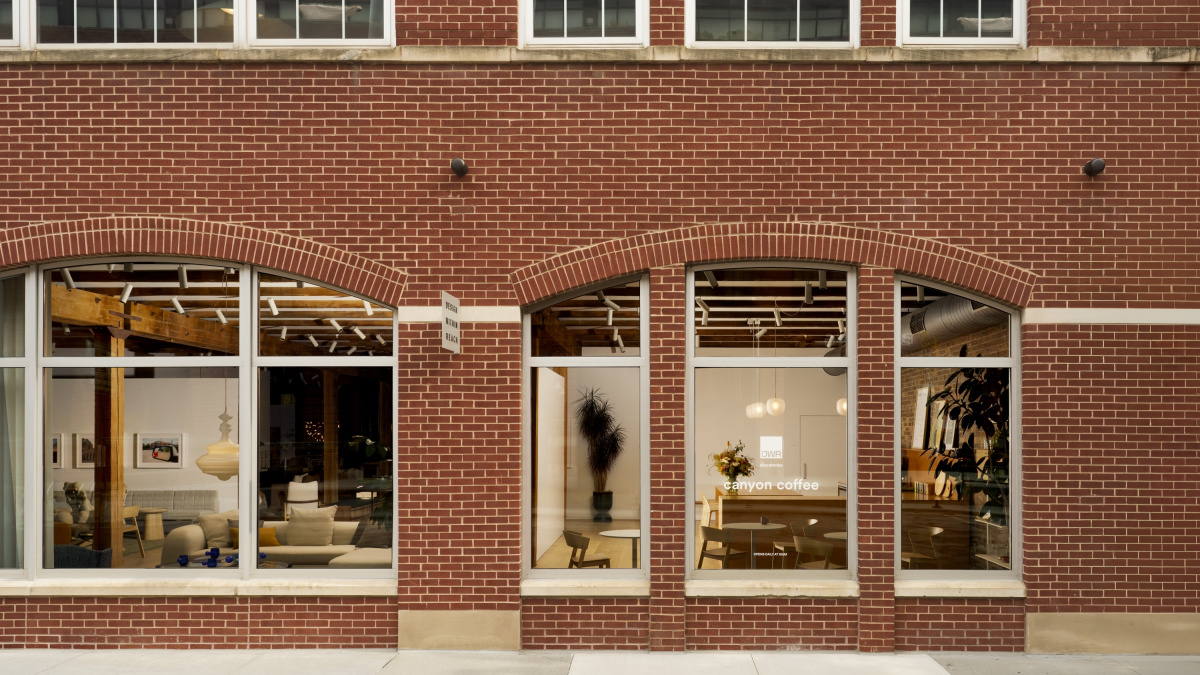
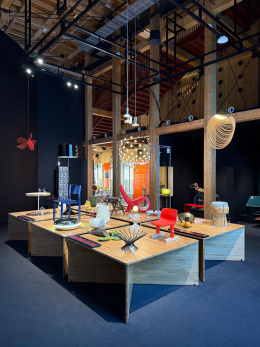
Floor-to-ceiling windows and original brick arches, both distinctly a Fulton Market vibe, gave the design team an architectural backdrop suited to Canyon Coffee’s aesthetic.
“Both DWR and Canyon Coffee share a belief that design and craft are not just about objects, but about how people live and connect,” says Debbie Propst of DWR. “DWR approaches furniture and interiors with a focus on quality, longevity, and intentional design, while Canyon Coffee applies the same rigor to sourcing, roasting, serving, and enjoying coffee.”
That shared rigor is what made the partnership click. Both brands treat daily rituals, whether it’s making coffee or gathering around a table, as an opportunity for something more meaningful than mere routine.
“There’s a shared commitment to craftsmanship, but also to creating environments that feel welcoming, human, and culturally relevant,” Debbie says. “Bringing those two perspectives together allowed us to reimagine retail as something more experiential and hospitality-driven. It was more so place for connection, not just a transaction.”
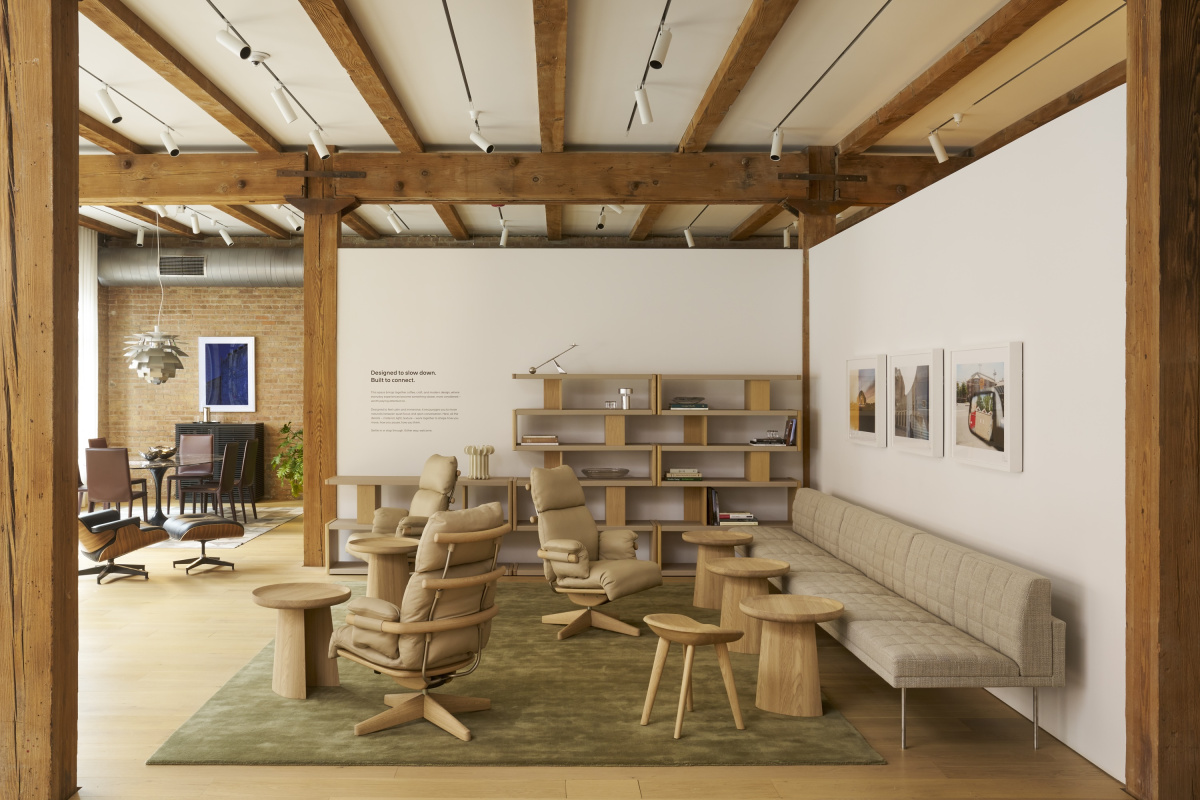
Translating Canyon Coffee’s West Coast identity into a Midwest showroom required some care. Omar Nobil, Creative Director, who worked alongside BassamFellows on the space, explained that the goal was to preserve what makes Canyon Coffee feel authentic.
Translating Canyon Coffee’s West Coast identity into a Midwest showroom required some care. Omar Nobil, DWR’s creative director, worked alongside design house BassamFellows on the space.
“The goal was to bring Canyon Coffee’s warm, calm, and intentional West Coast sensibility into the space, while grounding it in Chicago’s cultural context,” he says. “That meant translating key elements, like the residential feel, their signature center island, the use of natural materials, and the emphasis on light and openness, into the Fulton Market environment.”
DWR’s Chicago location turned out to be an ideal canvas for that translation. Floor-to-ceiling windows and original brick arches, both distinctly a Fulton Market vibe, gave the design team an architectural backdrop suited to Canyon Coffee’s aesthetic.
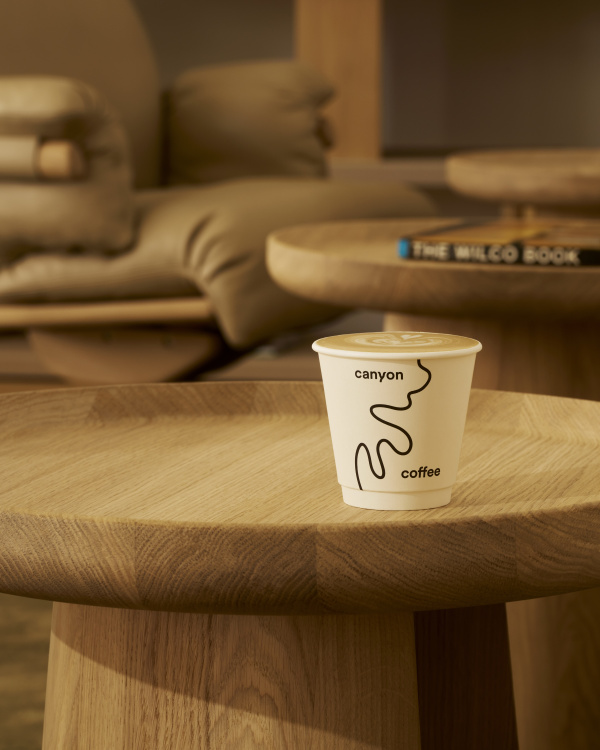
Coffee anchored the ritual, the furniture shapes how people physically move through and settle into the space, and music and books add a cultural layer on top.
Local context shows up in the details too. The curation of books and vinyl on site draws from Chicago’s own art, architecture, design, and music scenes, with local partners woven into the programming throughout the run. “This balance ensured the space feels true to Canyon’s identity,” Omar says. “It felt specific to place, reflective of both brands and the city itself.”
That sense of specificity runs deeper than aesthetics. For Canyon Coffee, Omar says materials and forms are rarely arbitrary, drawing instead from personal memory, travel, and landscape, from coastal stone textures to wood species native to Northern California. “The team created an environment layered where each element has a reason for being,” he says. “This makes the space feel more authentic and lived-in, and it allows visitors to connect with it on an emotional level, not just a visual one.”
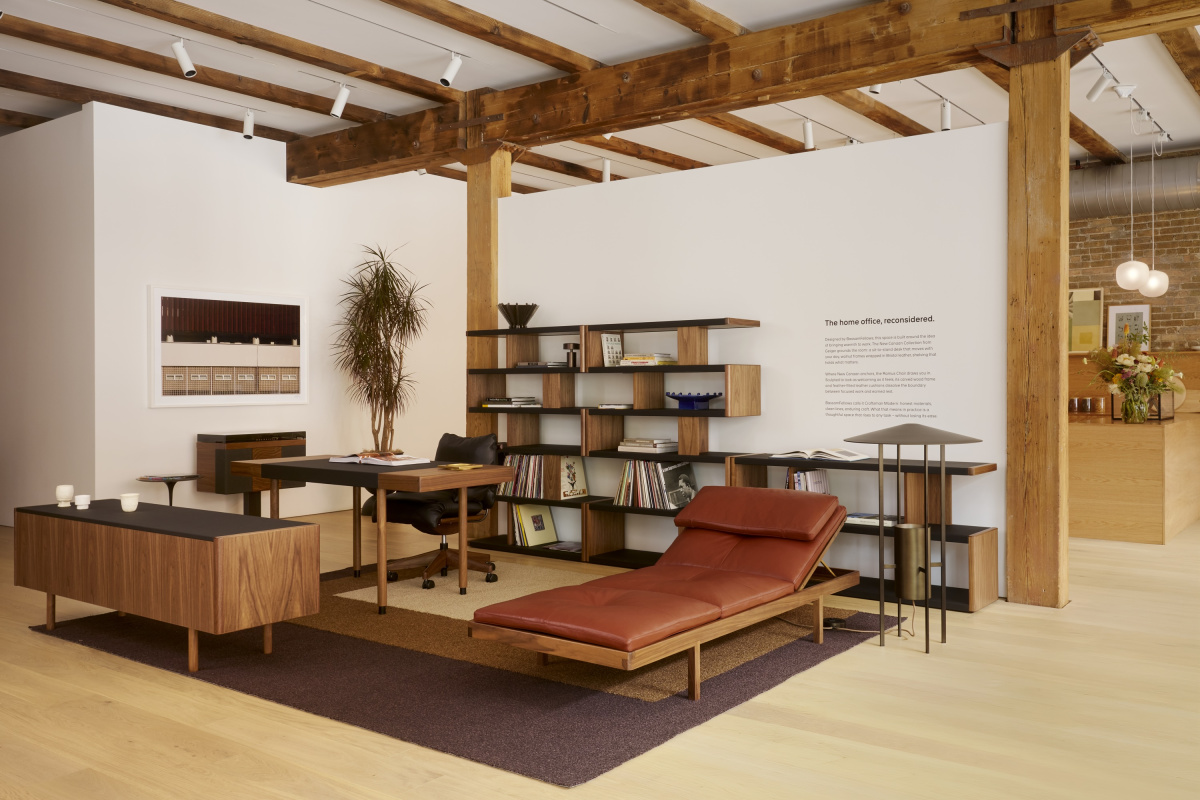
In a signature Canyon Coffee touch, the café plays full albums rather than curated playlists. “This creates a more immersive and coherent sonic environment,” Omar says. “Together, these components transform the space from a simple café into a multidimensional experience, one that encourages people to linger, explore, and connect.”
At the heart of the design is a communal island counter modeled on a home kitchen, a deliberate choice meant to make the café feel less like a retail space and more like someone’s living room. “Spaces feel personal and welcoming when you can move through them intuitively,” Omar says. Lounge seating and quieter corners give visitors room to either socialize or sit with their own thoughts. “It’s about creating an environment that feels approachable, lived in, and intentional.”
Every sensory detail was considered with the same intent. Coffee anchored the ritual, the furniture shapes how people physically move through and settle into the space, and music and books add a cultural layer on top. In a signature Canyon Coffee touch, the café plays full albums rather than curated playlists. “This creates a more immersive and coherent sonic environment,” Omar says. “Together, these components transform the space from a simple café into a multidimensional experience, one that encourages people to linger, explore, and connect.”
-
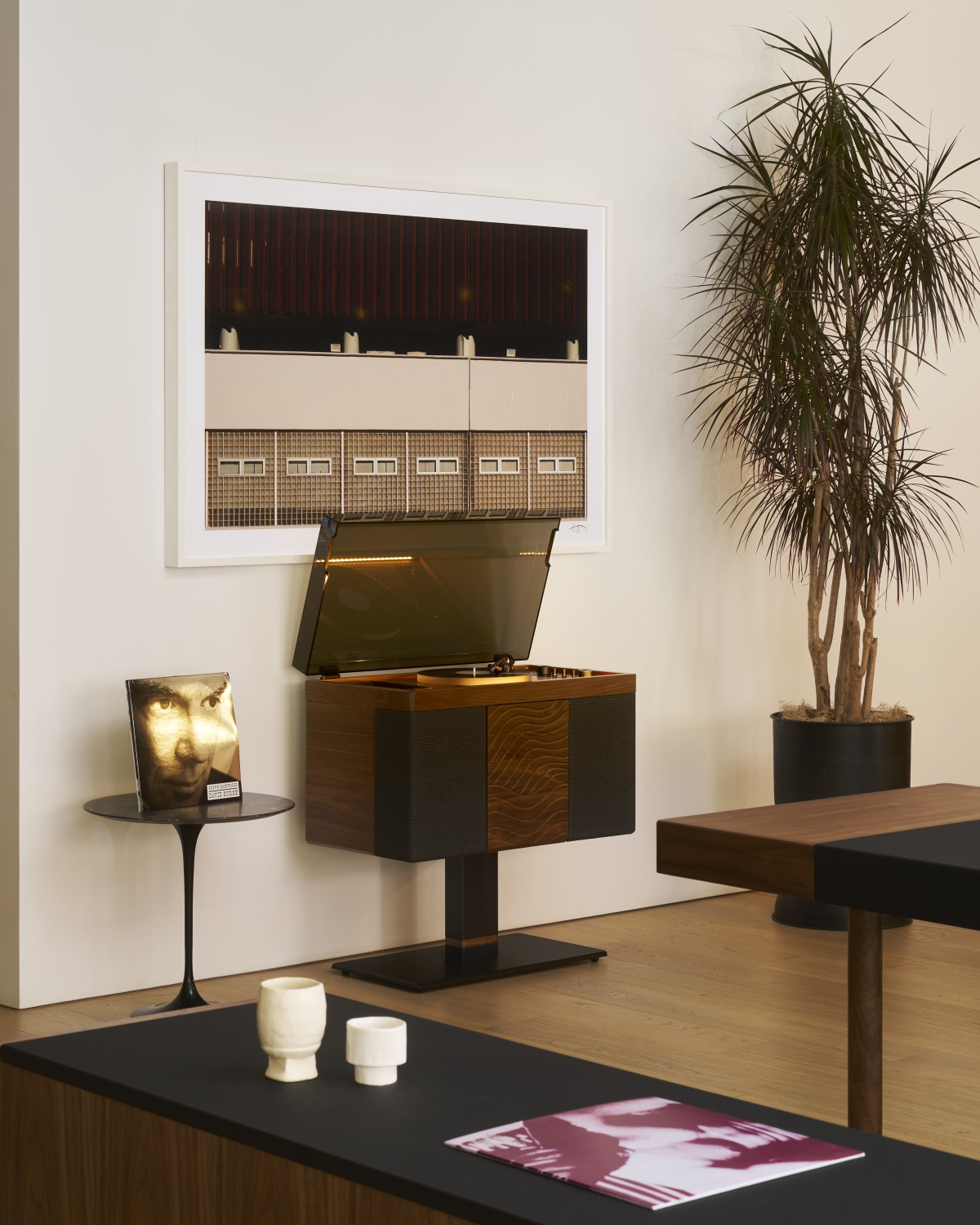
- Beyond the coffee, the goal was for visitors to experience how thoughtful design can meaningfully shape everyday life.
-
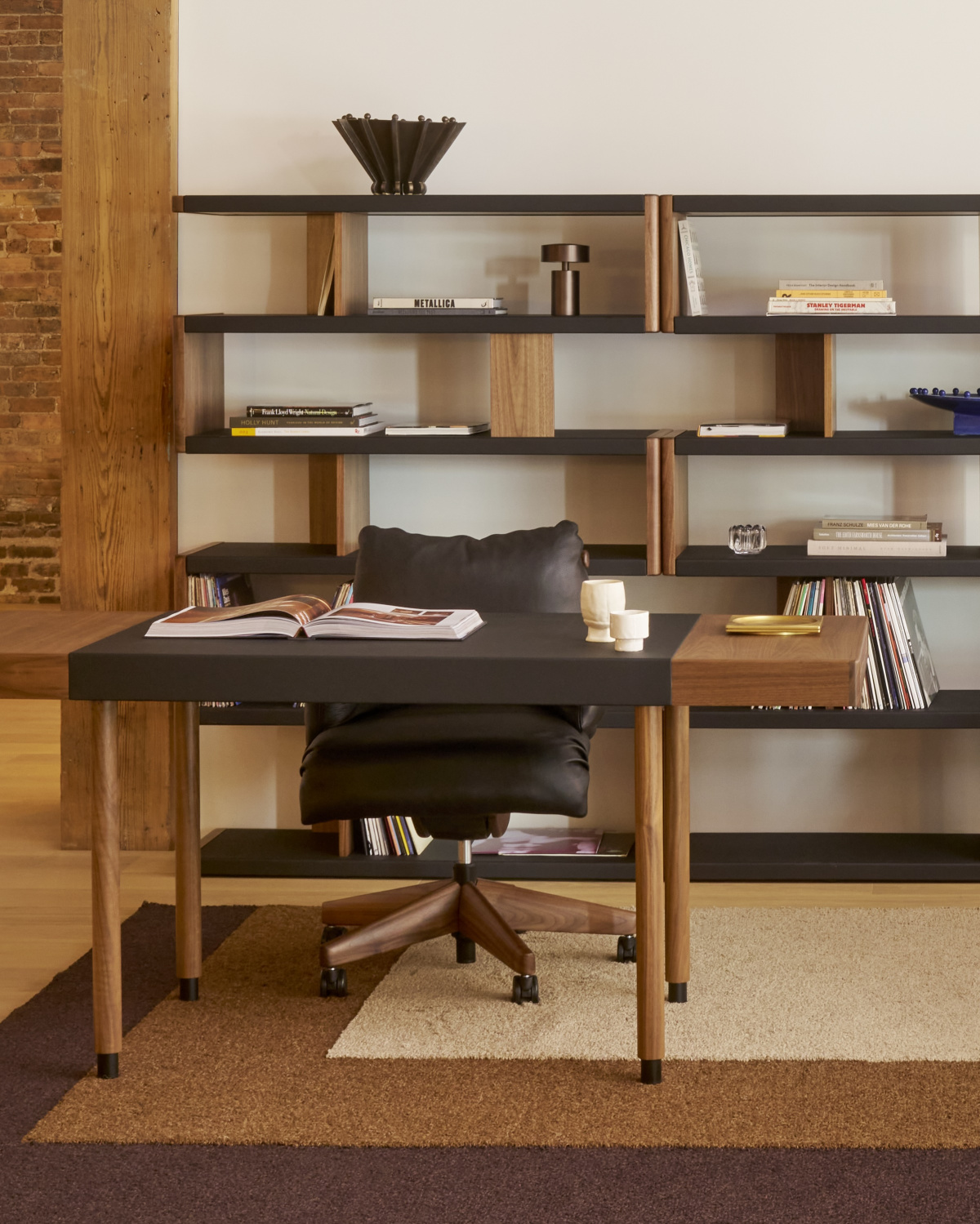
- The café demonstrates that design isn’t confined to showrooms or objects. It lives in the rituals we engage in daily, from sharing a drink to listening to music or spending time in a well-considered environment.
For Debbie, the hope is that visitors leave with more than a good cup of coffee. “Beyond the coffee, the goal was for visitors to experience how thoughtful design can meaningfully shape everyday life,” she says. “The café demonstrates that design isn’t confined to showrooms or objects. It lives in the rituals we engage in daily, from sharing a drink to listening to music or spending time in a well-considered environment.” If visitors walk away with a sharper appreciation for those small, ordinary moments, she says, the pop-up will have done its job.