In the autumn of 1997, Marva Griffin Wilshire met with Cosmit, the organizer of Salone del Mobile.Milano, about a problem she had seen at the fair. She was writing for American House & Garden and French Maison et Jardin, and during Milan Design week she spent her time calling on young designers. These were the ones who could afford to rent a small space somewhere in Milan that week. The fair itself had no place for them, and neither did the manufacturers who walked its halls.
The designers were glad to see her. They thanked her for coming, and then, as she remembers it, several of them “requested, almost begging” that she ask Salone del Mobile.Milano to let them in. They wanted to know why they couldn’t exhibit at the fair.
“The industry was focused on well-known designers at that moment. Whatever was received from young designers ended in trash.”
More than 16,000 young designers from 60 countries have shown their work at SaloneSatellite.
So she asked. A few days after that meeting, Manlio Armellini, then Managing Director of Cosmit, told her: “Marva, we have the space. See what you can do to bring young people into Salone del Mobile.”
She had looked around and found no institution or fair doing this, but she doesn’t claim she was fixing anything. “On my side, there was no gap to be filled in the design world; my aim was just to help and assist young designers starting their careers to make them known.”
The first SaloneSatellite opened in 1998. Marva invited seven design schools to send their top graduates. Among the work shown was the Block lamp by matali crasset and Harri Koskinen.
That small act of door-opening has had a long afterlife. SaloneSatellite has invited 270 institutions from 58 countries since 1998, and more than 16,000 young designers from 60 countries have taken part. The SaloneSatellite Award, started in 2010 and chaired from day one by MoMA’s Paola Antonelli, has named 45 main winners from 24 countries. Over the years, a good number of the prototypes shown there were picked up by manufacturers, put into production, and sold: Sebastian Wrong’s Spun lamp for Flos, Nendo’s Chab table for De Padova, and Nao Tamura’s Seasons plates, a 2010 Award winner put into production by Covo.
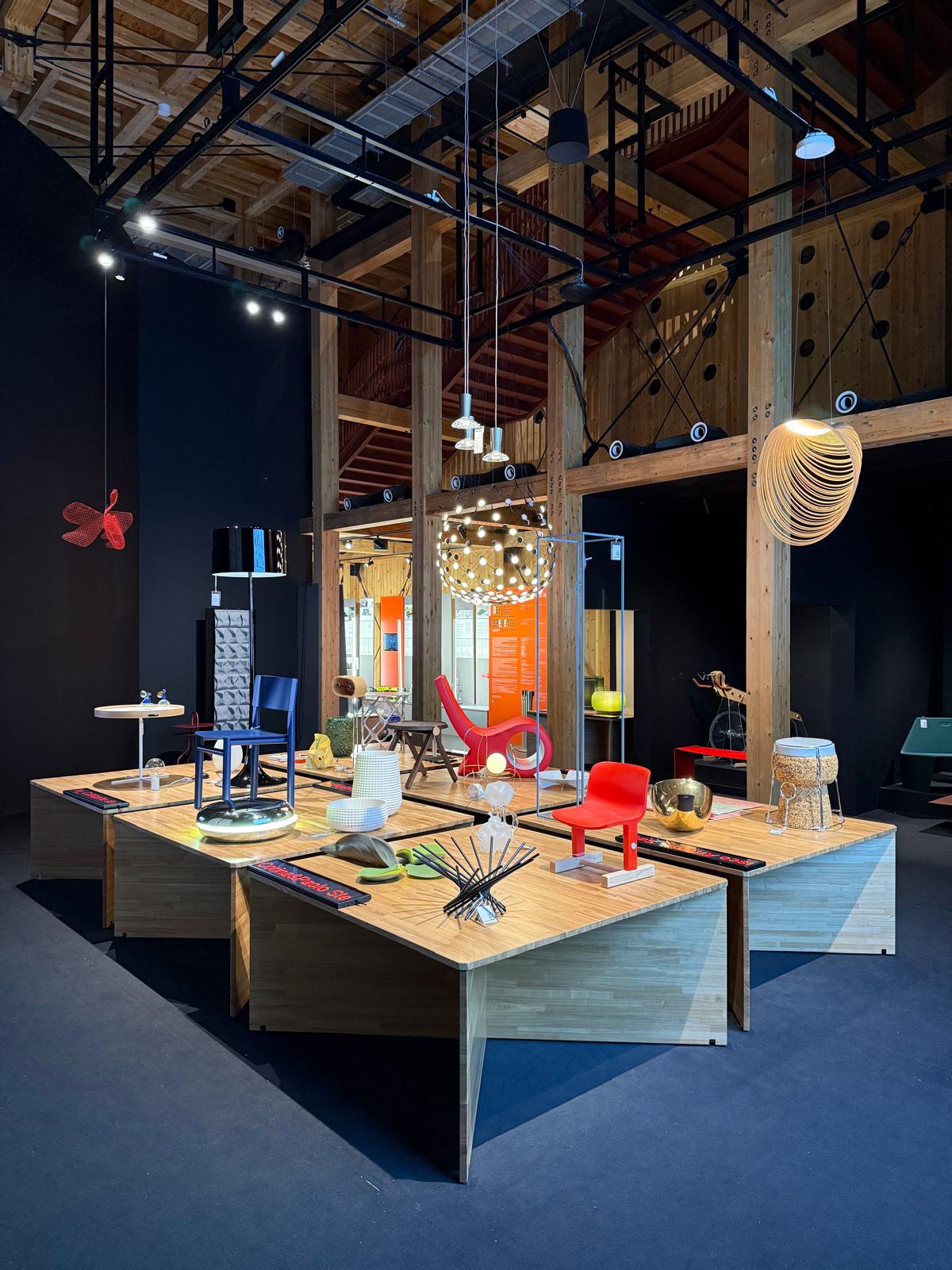
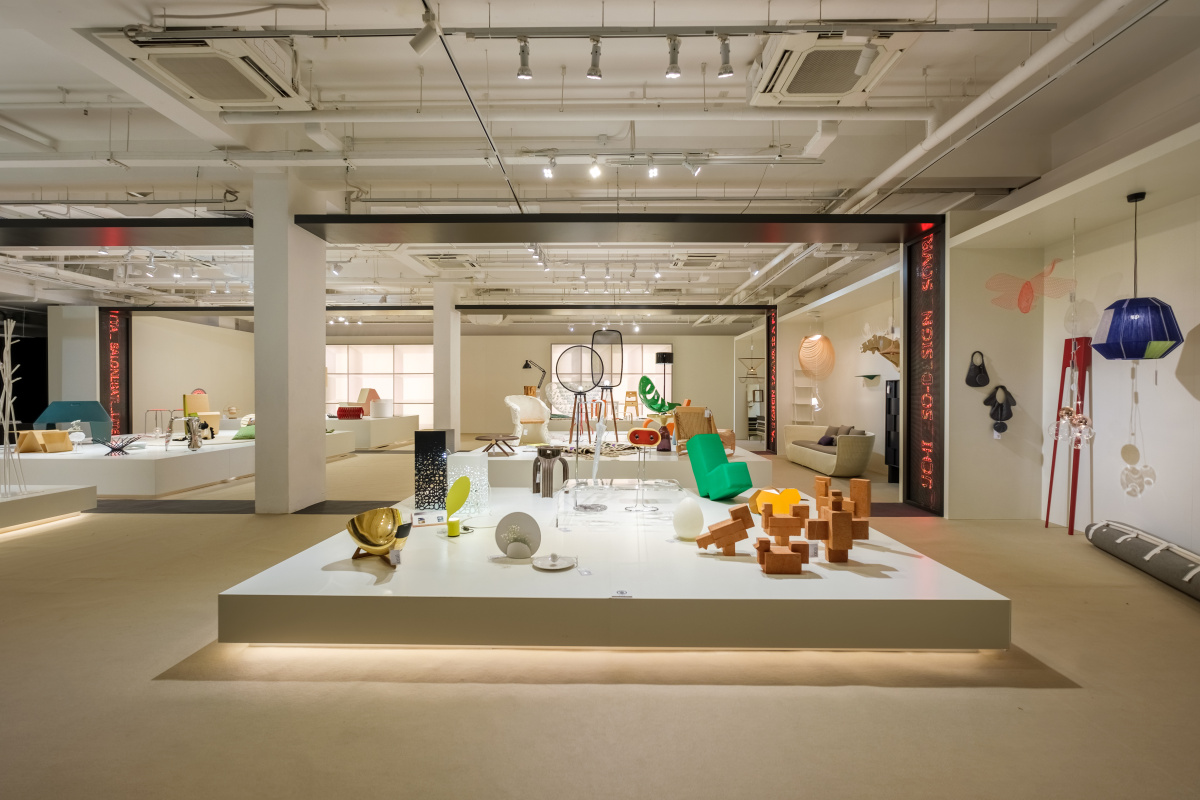
Those pieces are what Marva calls the Permanent Collection. Cataloged in 2018, the collection lives at the Artwood Academy in Lentate sul Seveso, in the heart of Brianza, a woodworking college supported by the Rosario Messina Foundation and FederlegnoArredo. It now contains over 400 pieces. Since 2024 it has also been traveling, to the Arts Pavilion at WestK in Hong Kong, then to the Italian Pavilion at Expo 2025 Osaka, and moved to Jakarta last month.
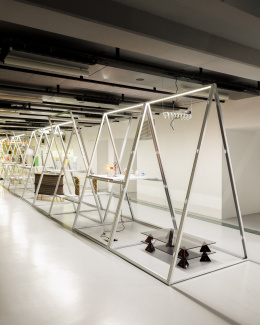
From September 18 to October 18, 55 of those objects were on show at the Town Hall of the Indonesia Design District as part of Indonesia Design Week. The invitation came from Agung Sedayu Group, which built the district and follows Italian design closely. Marva is also speaking at a conference in Jakarta, as an ambassador of Italian design, on the Italian Design Day theme: “Re-Design. Regenerating spaces, objects, ideas, and relationships.”
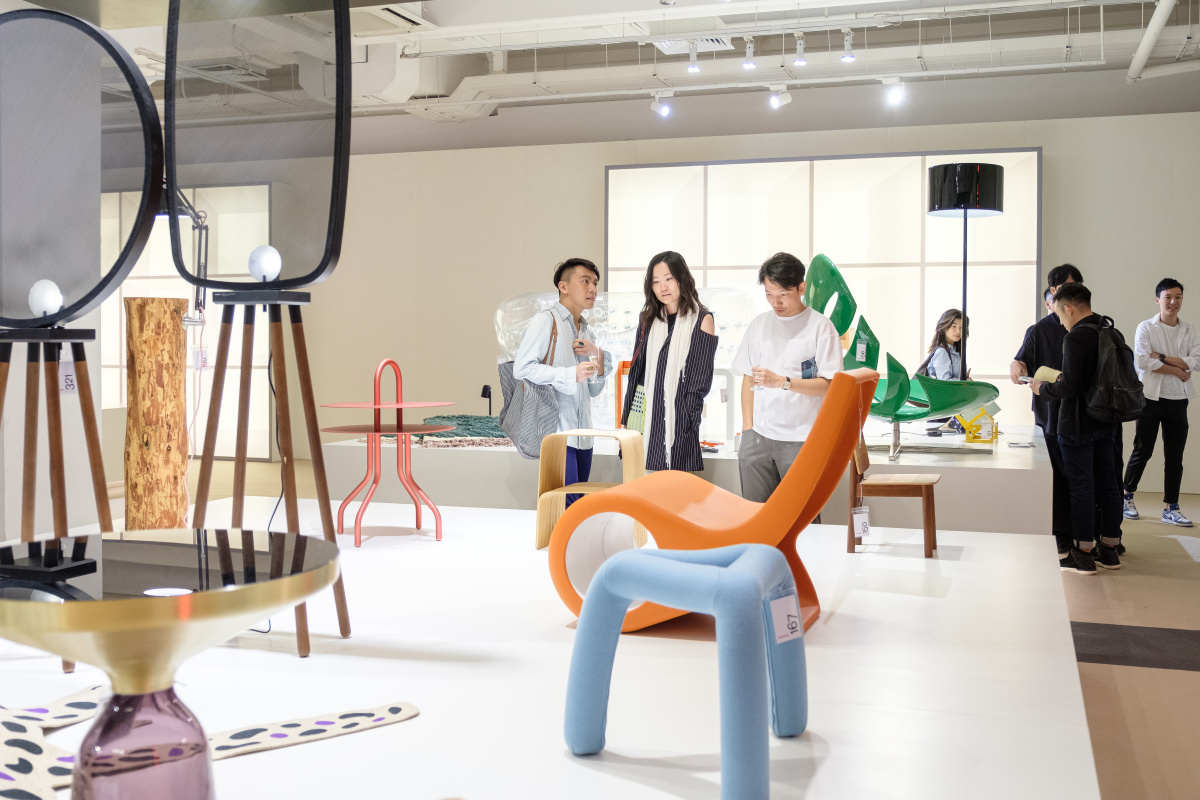
The Permanent Collection gathers products that companies developed after meeting young designers at SaloneSatellite.
“Several transformations are taking place here at the same time,” says Maria Porro, Salone del Mobile’s president. Fast urban and economic development, but also “a very deep culture of materials and craftsmanship,” and a younger generation of designers finding new ways to join industry to manual skill. The theme of Indonesia Design Week, Collective Culture, struck her as a good match.
“The future is not simply about technology or industrial scale,” she says. “It’s also about how we connect innovation with knowledge, materials, culture, and identity.”
Jakarta is also the first stop of SaloneSatellite’s 2026 Road Show, which carries on to Africa, Singapore, and Seoul, then New York, Chicago, and Miami. Maria is quick to say it isn’t a farewell to Milan. The fair will be back at Fiera Milano, Rho, April 13-18, 2027. The last edition brought more than 1,900 exhibitors and over 316,000 visitors from 167 countries.
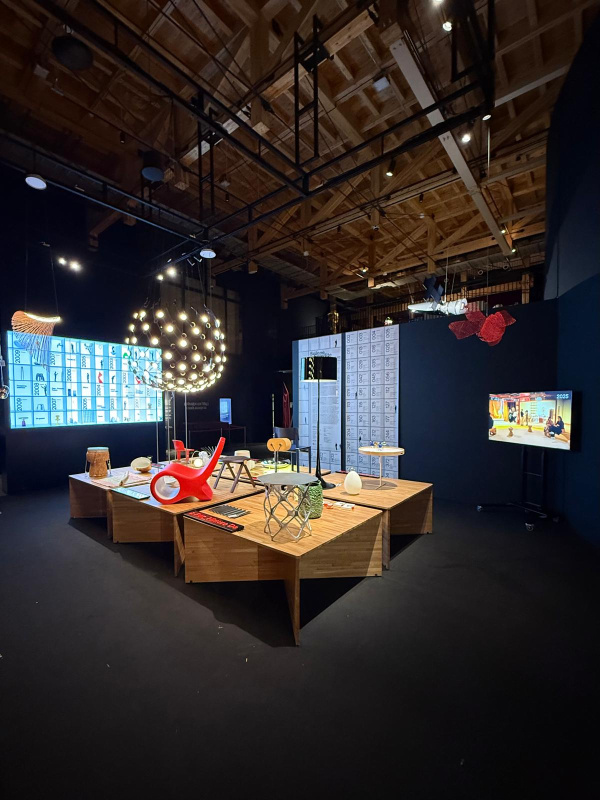
The Permanent Collection, cataloged in 2018, lives at the Artwood Academy in Lentate sul Seveso and now numbers over 400 pieces.
“The real value of those numbers lies in the relationships they generate,” she says. “Ideas that become projects, conversations become collaborations, and connections become business.”
Nor does she think Milan can be bottled and shipped. What makes Salone unique, she says, is the ecosystem that has grown around it over more than 60 years, from museums and archives to public spaces and creative districts.
“I don’t think the answer is to reproduce Milan somewhere else,” she says. “You cannot simply replicate that ecosystem in another city.” What can travel is an approach, and each place adds something of its own. In Jakarta that meant bringing SaloneSatellite, whose story of talent, experimentation, and production seemed to her a natural conversation partner for Indonesian craft.
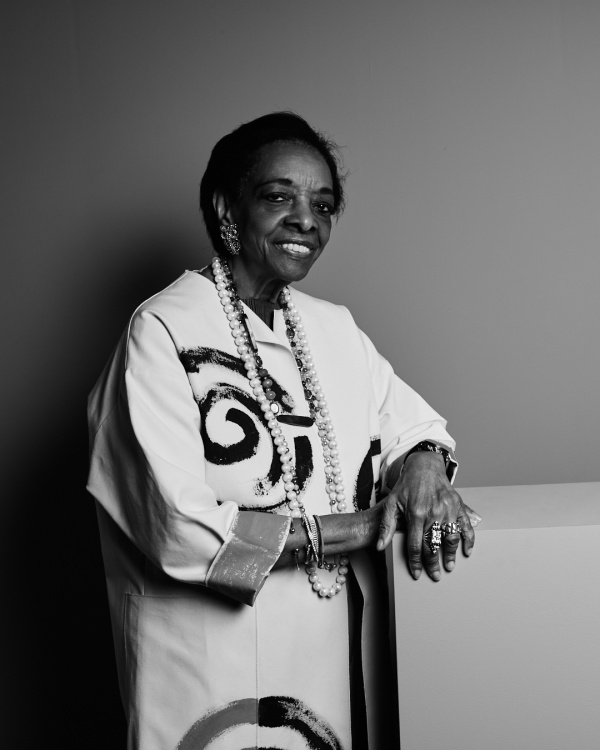
“I just want to show around the world the talent and the creativity of young designers,” says Marva.
There is a business case for this move, too: introductions for Italian companies to architects, developers, and institutions, and a read on where demand is growing. But she insists the traffic goes both ways.
“Being international, for us, cannot simply mean travelling abroad to explain what happens in Milan,” Maria says. “It also means understanding different ways of making and thinking and allowing those encounters to enlarge our perspective.
“I hope it becomes a bridge between two design communities.”
Salone del Mobile.Milano returns to Fiera Milano, Rho, April 13-18, 2027.