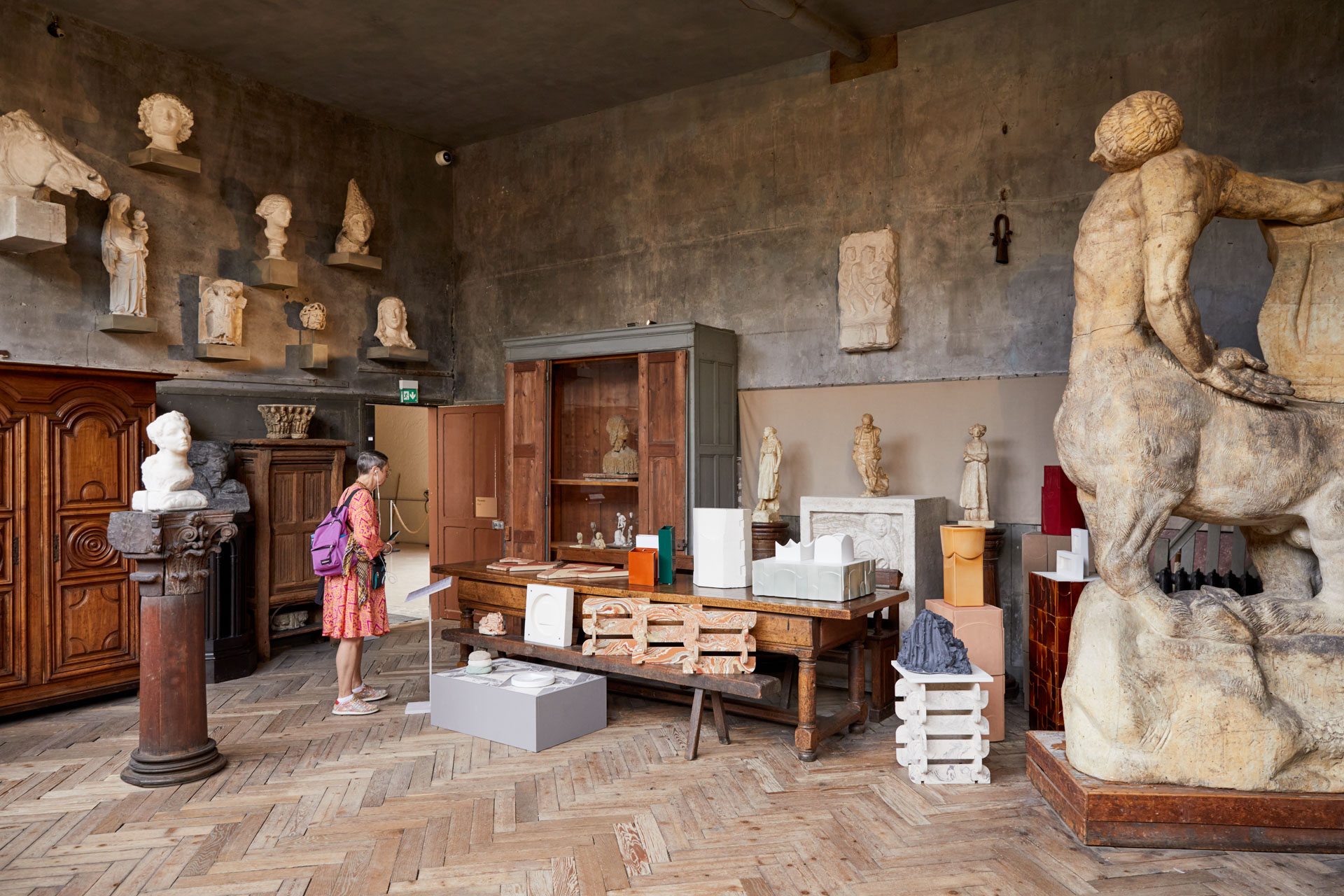
My first stop at Maison&Objet is to meet the designer Sarah Espeute at her eight-meter-long table installation. Hands are embroidered into the linen, a full service of plates is stitched from old Provençal designs, and along the hem, where a tablecloth usually just ends, she has embroidered a set of legs.
“I love to create things with hands,” Sarah tells me, “because it creates an interaction with people.” The fair gave her a space and, refreshingly, no brief. “They give me free space to make what I wanted. I decided not to build a simple stand, instead I created an installation, a big table, to receive people.”
The first Maison&Objet Pulse ran September 10-14 at Paris Nord Villepinte with 1,700 brands from 49 countries, about 450 of them new, and the organizers recorded 61,416 visits. That is a lot to walk past before you find something that wants you to stay.
The new name is a strategy, not necessarily a rebrand. Starting this year the fair runs as two products: Maison&Objet Premier in January, promoting excellence in design for established and luxury brands, and Maison&Objet Pulse in September, for emerging studios, sustainable makers, and “experimental” products. Though the fair is primarily open to professionals, it began steering September toward a more consumer-facing, discovery-first format in 2024, and Vincent Lhoste, SAFI’s managing director since, has now put the split on the signage. “In a market where every journey and every investment needs to be worthwhile, our responsibility is to create ever greater value for both brands and visitors,” Vincent said in the fair’s recap, which is the buyer’s-market version of the same thought.
This edition included a whole hall for cooking and entertaining, a Design District of 60 emerging names, and small installations that let individual makers show how they work rather than what they sell. SAFI says attendance grew across several European markets, Belgium, Greece, Poland, Norway, and Luxembourg among them, and in export markets, notably China, Saudi Arabia, and Brazil, against what it calls a contraction in the French and European markets. The theme, “Pulse in Motion,” was written with the trend agency NellyRodi and, well, it reads like something a forecaster might write. Funky copywriting aside, the fair proved to be accurate, and powerfully aware of trends and how to present them.
Design District and the Rising Talents Inside the Halls
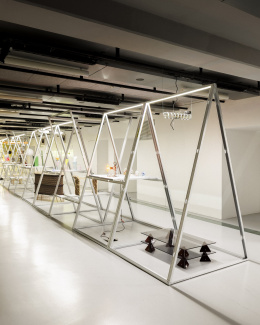
Cook & Share had Hall 4 to itself, with a Gourmet space for chefs, a program of events run by la Filière France, and Sarah as the sector’s ambassador. A highlight of the show is now Design District, where the Hall Haus collective, in its second year directing the zone, gathered 60 emerging names from around the world and the Rising Talent Awards put seven South African designers, selected with Decorex Africa, in small spotlit rooms with the makers standing in them. “The magic was less about one hero product and more about the smaller, highly curated spotlights where the makers were actually present, sharing their story and process, being interviewed and photographed in all their glory,” Aimee says. “Nothing felt trend driven and was dripping in soul.” She left wanting Pinda Design and DEFT Studios, the architects Martin Tallie and Zani Alberts, who build their own geometric furniture, in a x.
Andrew added, “Just seeing how they were able to bring vendors from all over the world to one place, I think, in a North American market, it’s really hard to find that kind of global influence at that scale in one event,” he says. Importing a piece is a different decision once you have seen the finish, understood the dimensions, and met the people responsible for it. That, more than any single object, is what the halls were for.
-
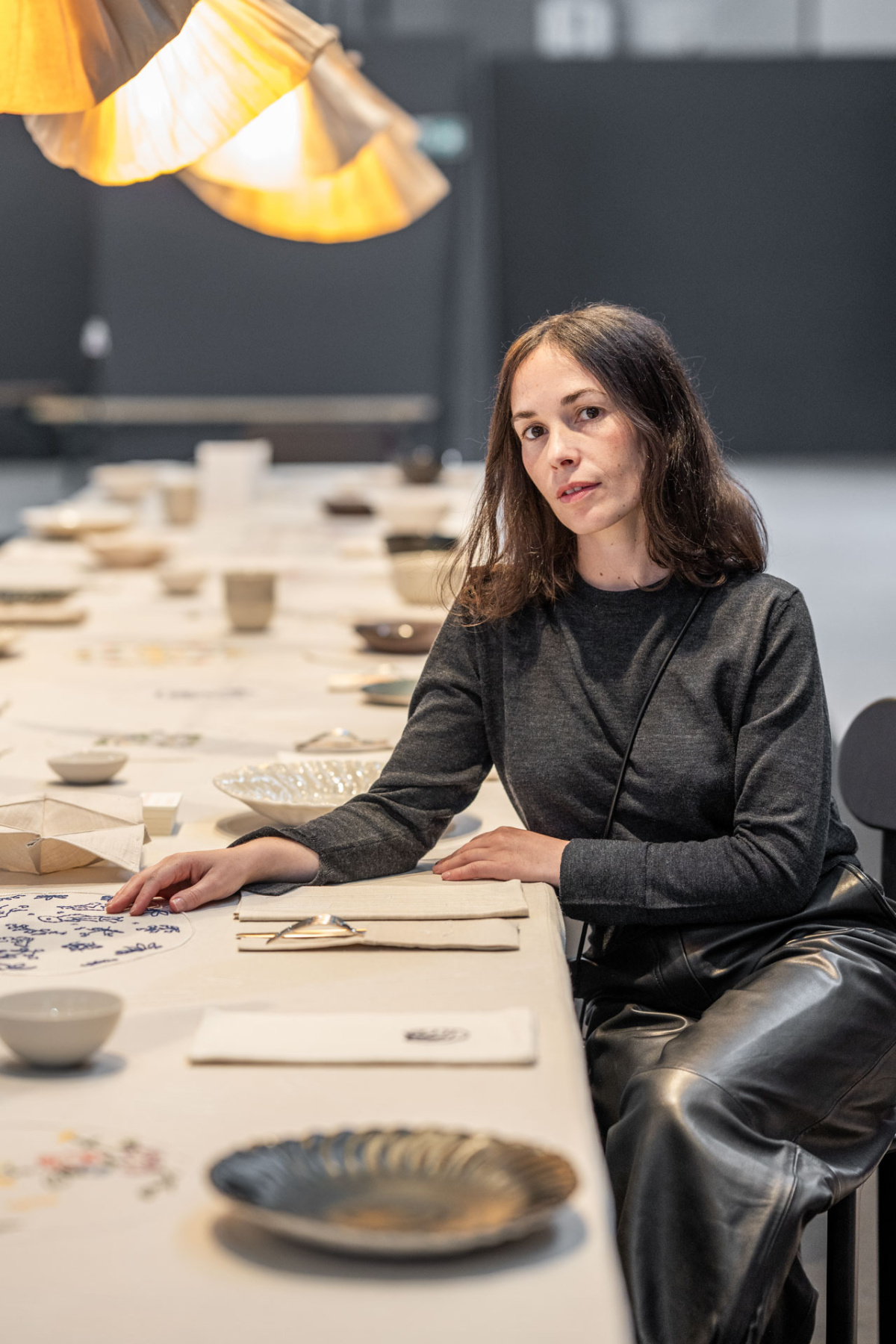
- Sarah Espeute at her Table de Réception in Hall 4, the eight-meter centerpiece of Cook & Share at Maison&Objet Pulse 2026. Sarah’s Marseille atelier hand-embroidered the cloth, the pleated lamps overhead are textile too, and the stoneware on the table is from Jars Céramistes. Photo by Anne-Emmanuelle Thion, courtesy of Maison&Objet
-
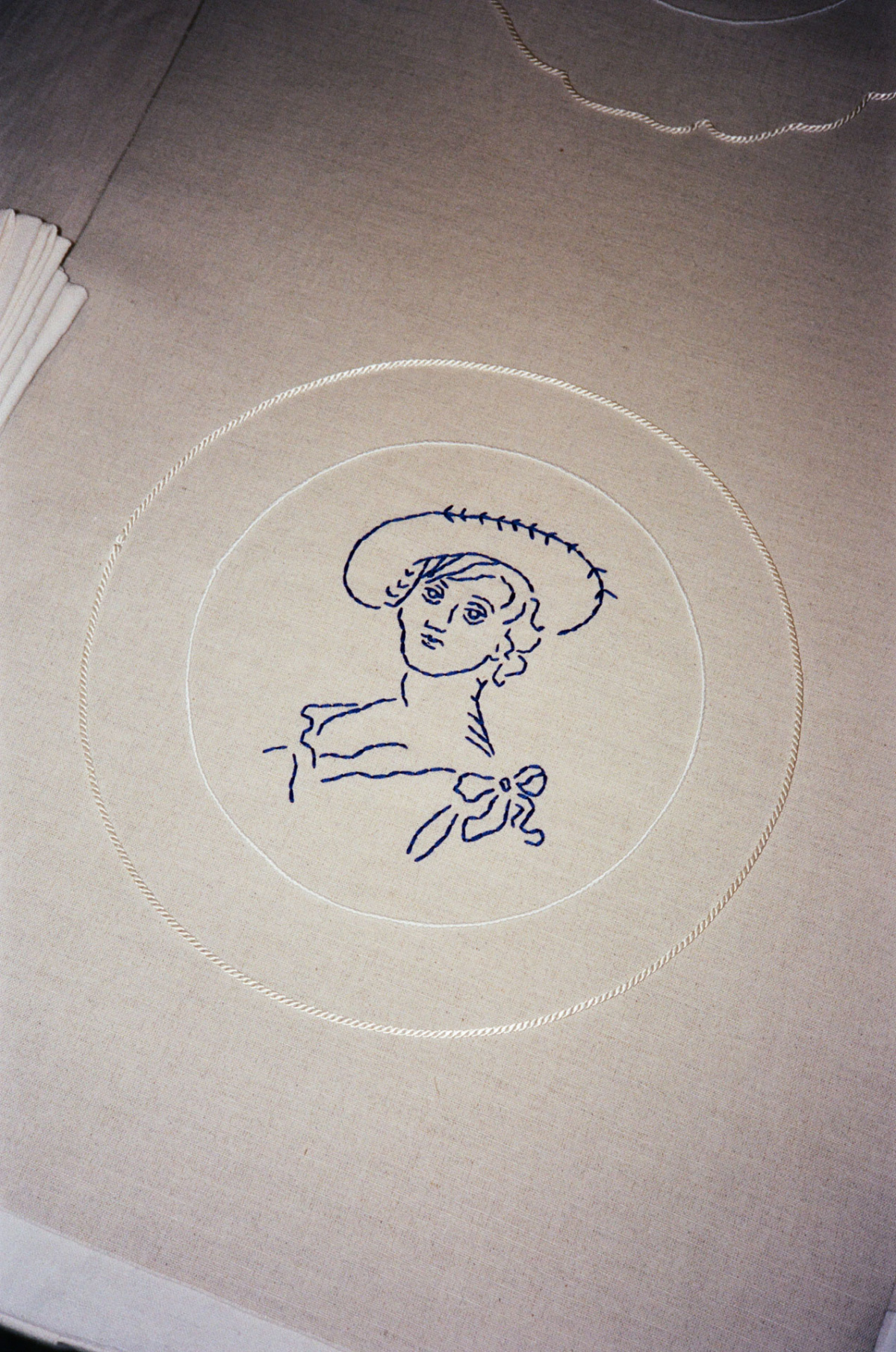
- One of the embroidered plates on the cloth, a portrait in a wide-brimmed hat in blue backstitch inside a ring of cord, with folded napkins beside it. Sarah redrew each plate from a book of Provençal decorative arts so that no two settings on the eight meters match. Photo courtesy of Sarah Espeute
-
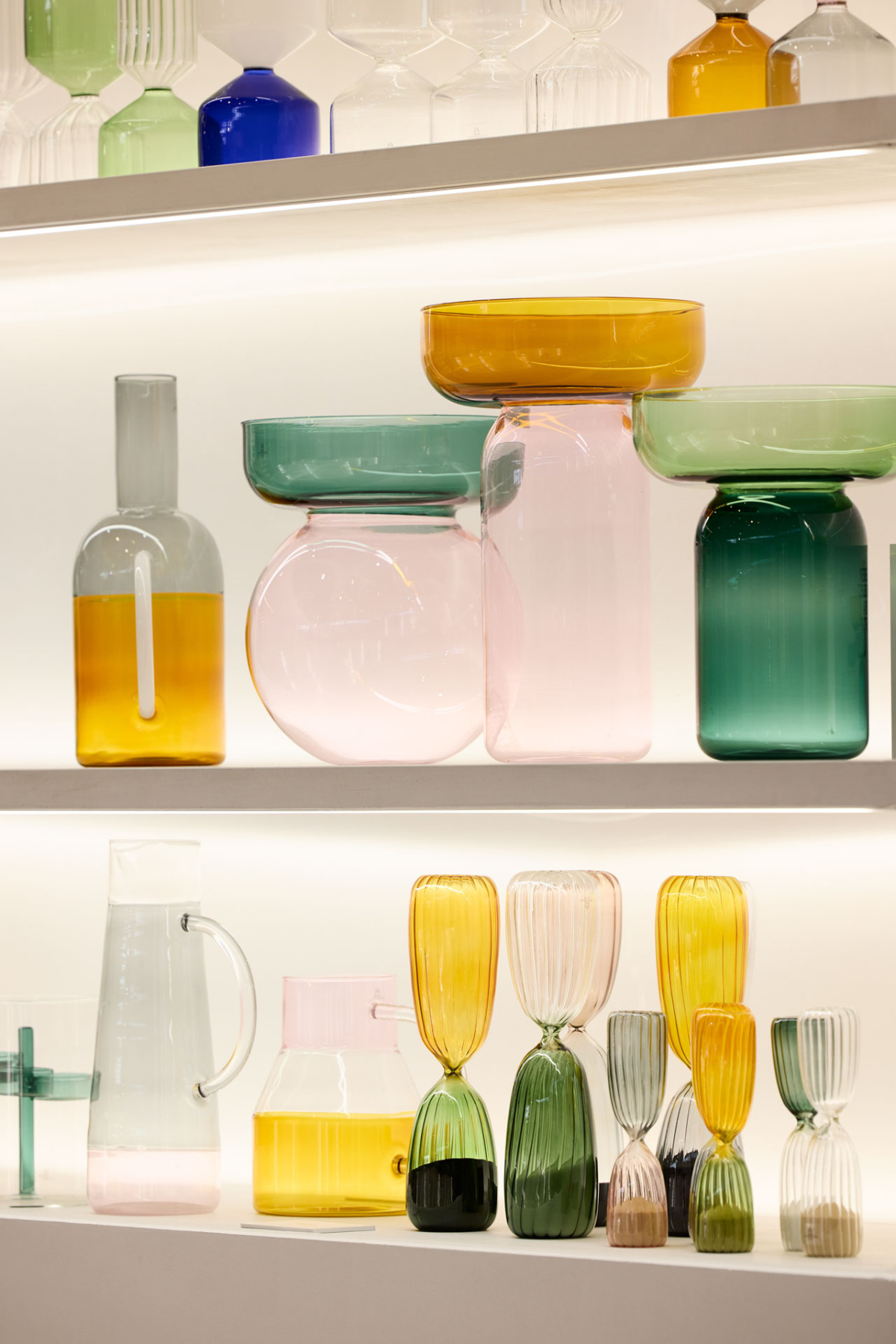
- Ichendorf Milano’s stand in Cook & Share, with tinted bowls stacked on colored cylinders and ribbed hourglasses in olive and mustard. Ichendorf pairs designers with master glassmakers and keeps the shapes plain so the color does the work. Photo by Francis Amiand, courtesy of Maison&Objet
-
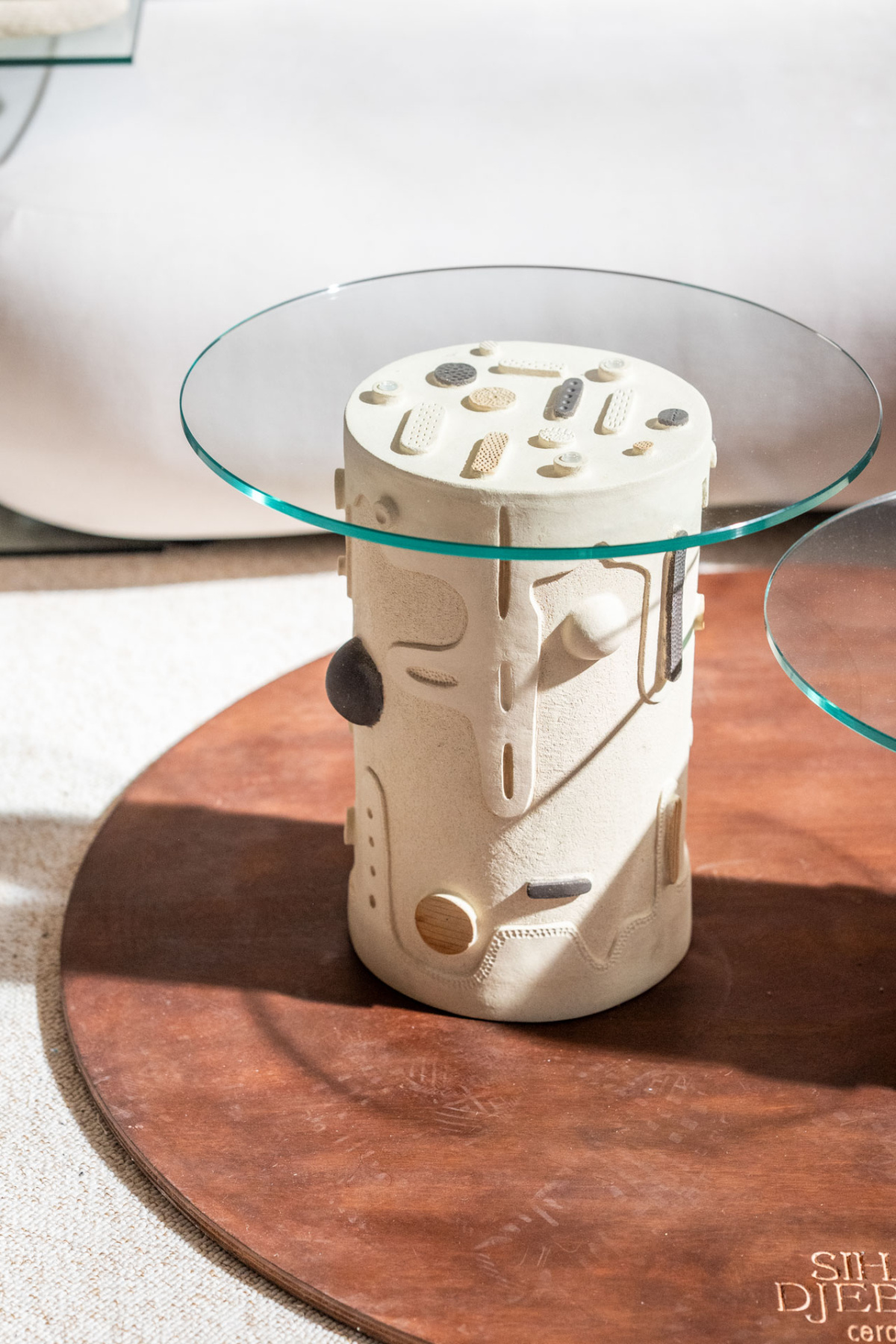
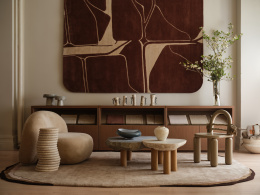
- A raw stoneware side table by Siham Djebbar in the Design District, studded with pressed clay tokens under a floating glass top. Siham is one of 60 emerging names the Hall Haus collective selected for the zone’s second edition. Photo by Anne-Emmanuelle Thion, courtesy of Maison&Objet
-
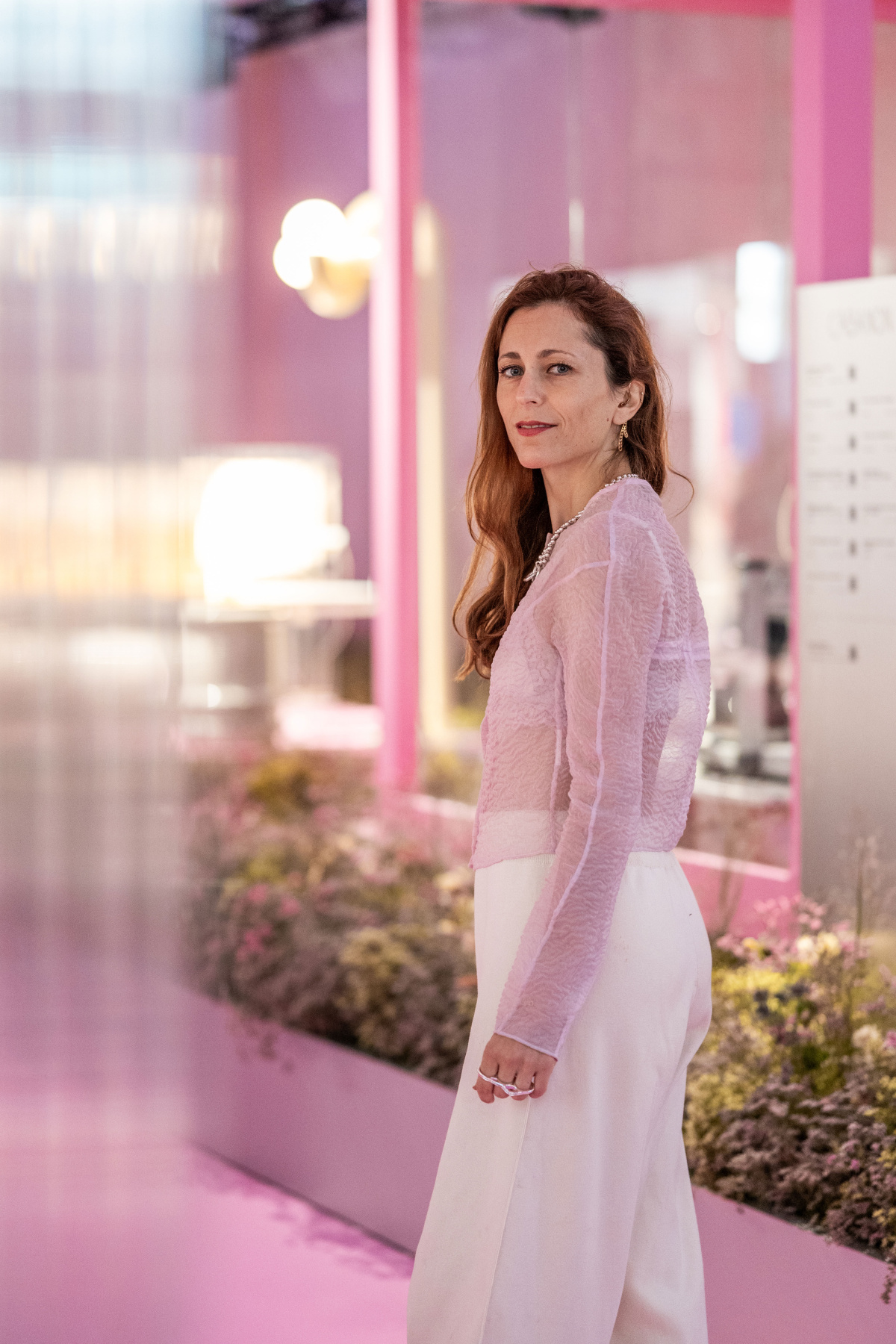
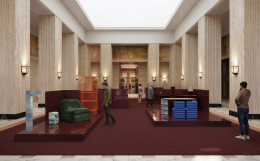
- Inside Nouveau Souffle, the What’s New? In Retail installation curated by Pauline Glaizal. Pauline argues that retail now lives on the complement between the shop and the screen, so the whole space is staged to be photographed. Photo by Anne-Emmanuelle Thion, courtesy of Maison&Objet
-
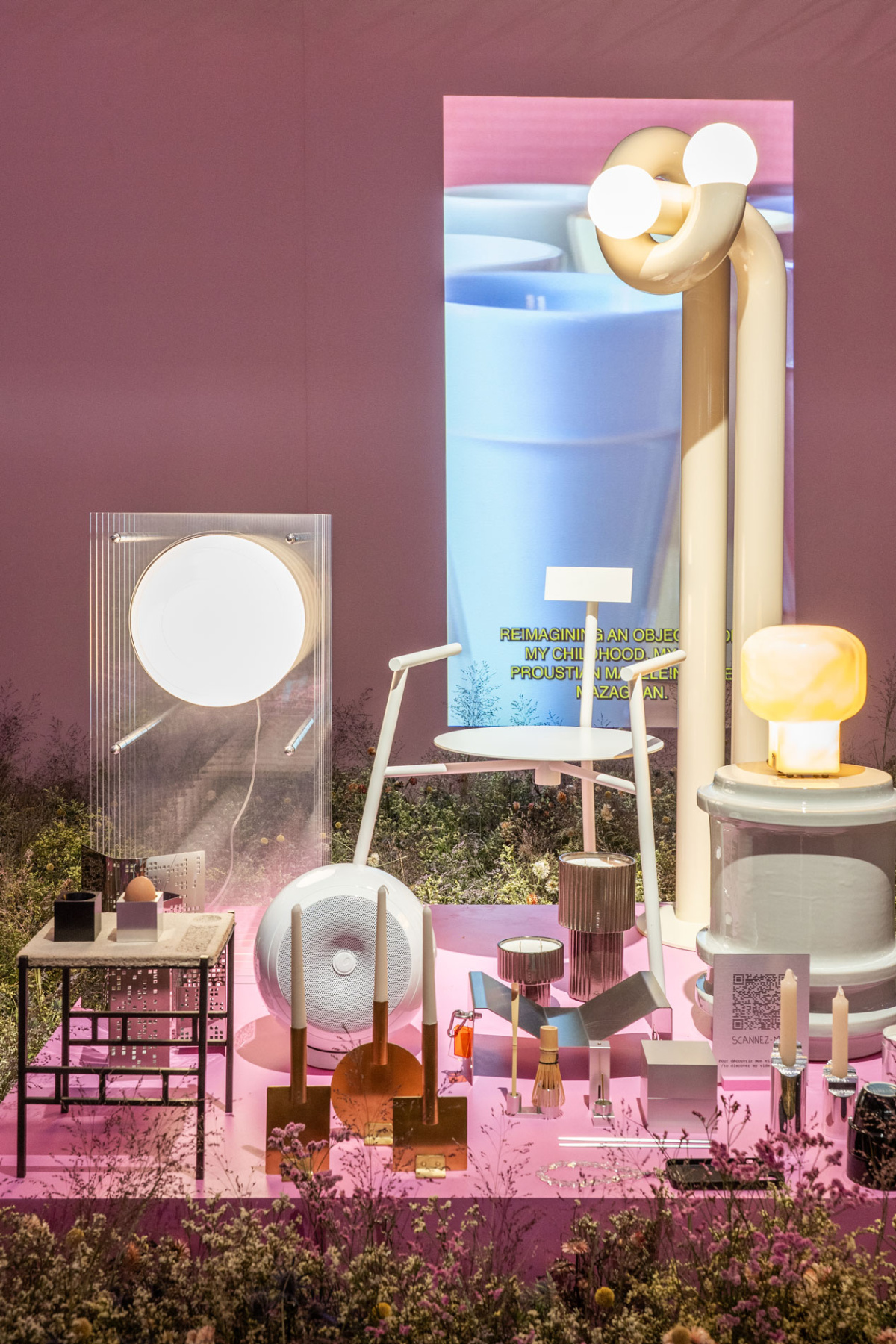
- A vignette from Nouveau Souffle, Pauline Glaizal’s What’s New? In Retail installation, with a chrome bin lamp, a ring light, and a screen reimagining an object from a designer’s childhood. Pauline built the space as shop-the-look sets a retailer could copy, in a plum room planted with dried flowers and scented for the occasion. Photo by Anne-Emmanuelle Thion, courtesy of Maison&Objet
-
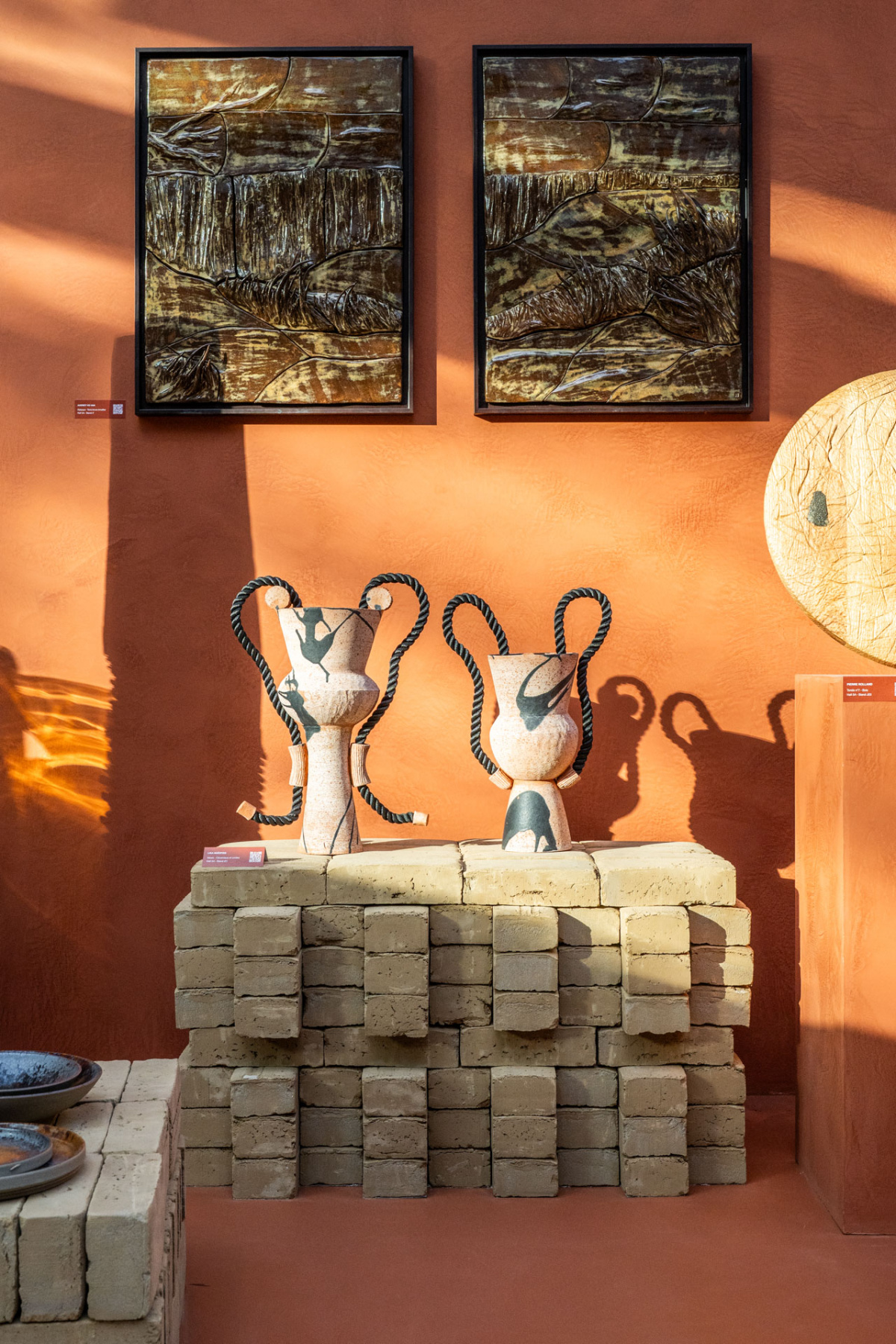
- Stoneware urns with rope handles and two glazed relief panels inside In Materia, the Fine Craft show curated by Elizabeth Leriche. Leriche set the métiers d’art on terracotta walls and raw brick plinths so every material in the room was structural rather than decorative. Photo by Anne-Emmanuelle Thion, courtesy of Maison&Objet
-
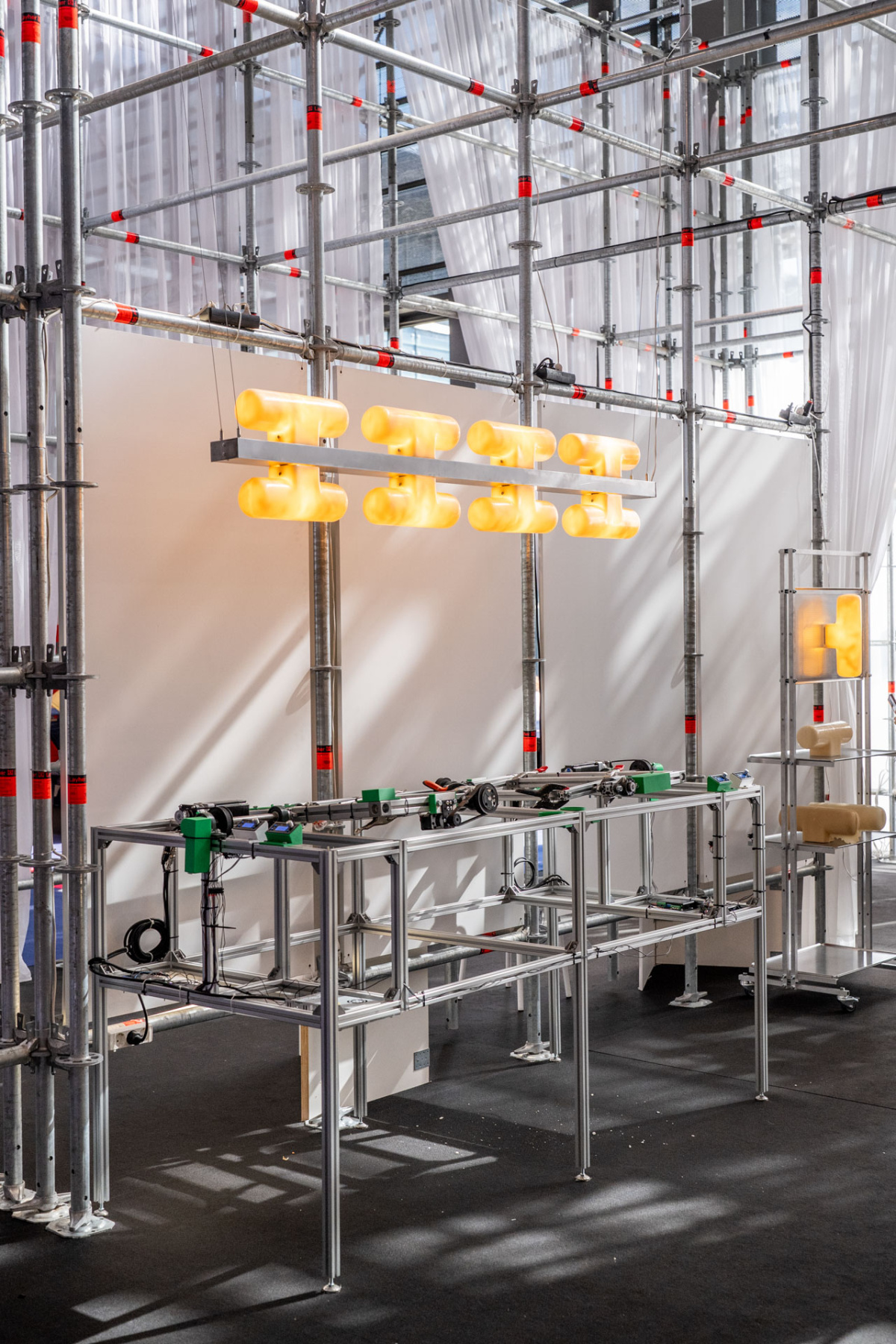
- Baguette Studio’s wax pendants hung from scaffolding on the Future On Stage stand, with the studio’s rotational molding rig on the table beneath. Baguette melts its beeswax and plant-wax shades down and recasts them, so a table lamp can become a pendant with no new material. Photo by Anne-Emmanuelle Thion, courtesy of Maison&Objet
-
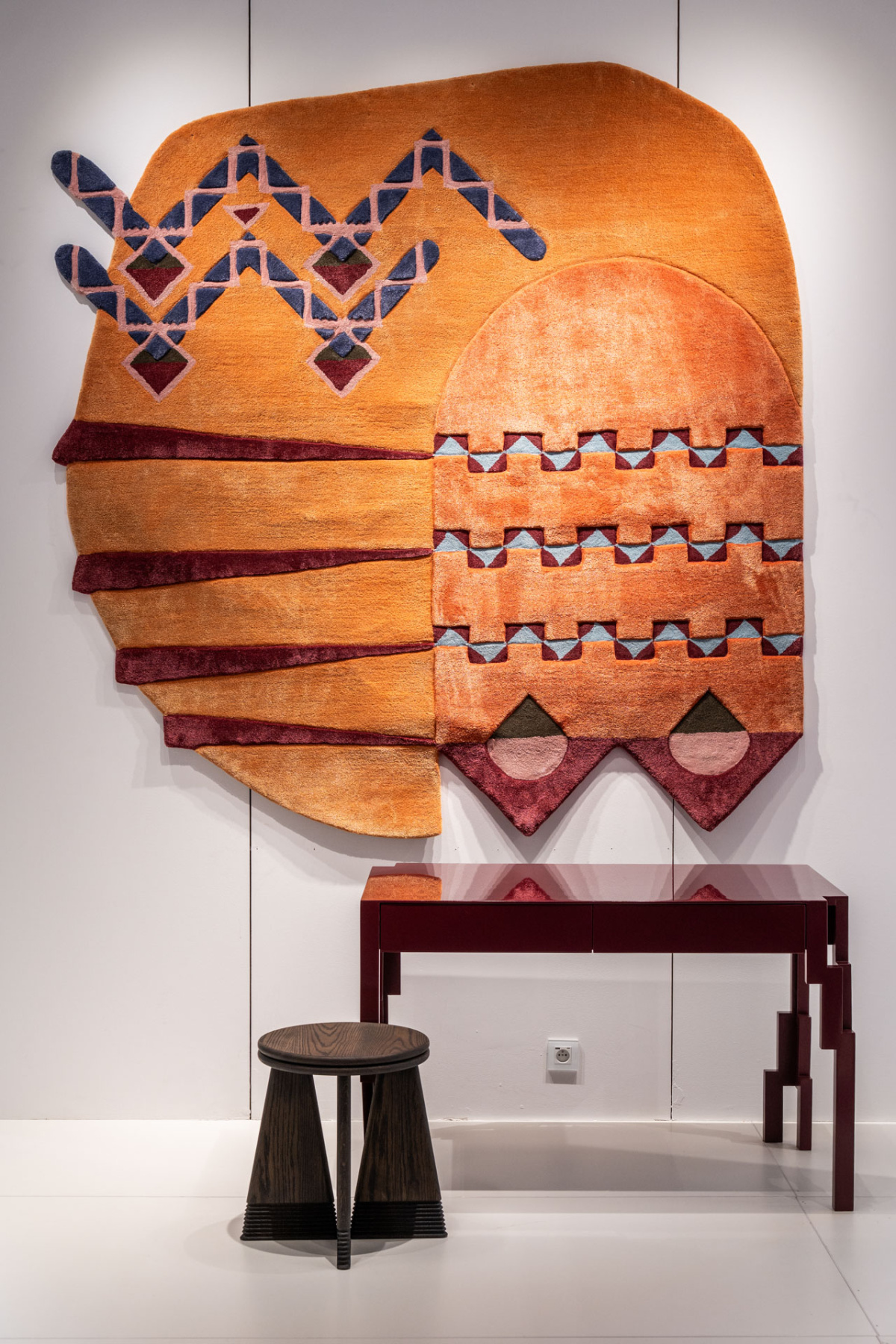
- Siyanda Mbele’s tufted wall piece for Pinda Interior Design in the Rising Talent Awards: South Africa, shown with a lacquered oxblood desk and a fluted stool. Siyanda builds the pattern from Zulu and Ndebele geometry, triangles for masculine energy and diamonds for feminine, and lets it set the outline of the piece. Photo by Anne-Emmanuelle Thion, courtesy of Maison&Objet
-
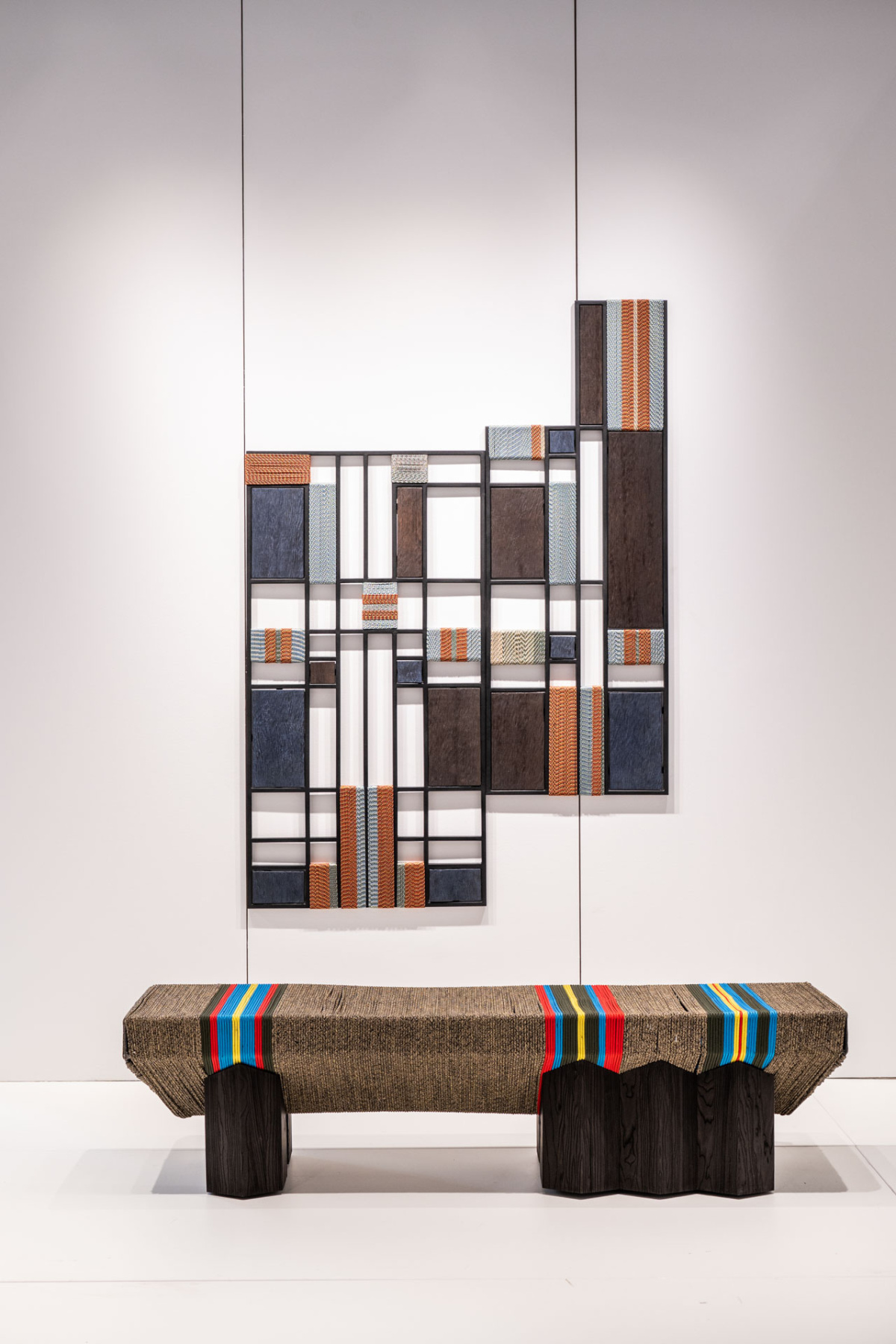
- Simphiwe Mlambo’s wall panels and woven bench in the Rising Talent Awards: South Africa. Simphiwe took the collection from his grandmother’s grass mats and kept their weave and bands of color over dark timber. Photo by Anne-Emmanuelle Thion, courtesy of Maison&Objet
Paris Design Week in Courtyards, Museums, and Showrooms
Paris Design Week ran through September 19, and this year’s map was packed: showrooms, courtyards, two museums, a townhouse mid-renovation, and one national monument. Aimee treated it as a game. “The spillover into design week throughout the city was like a scavenger hunt,” she says. “We pranced into any showroom we could that dotted that yellow PARIS DESIGN WEEK signage.”
-
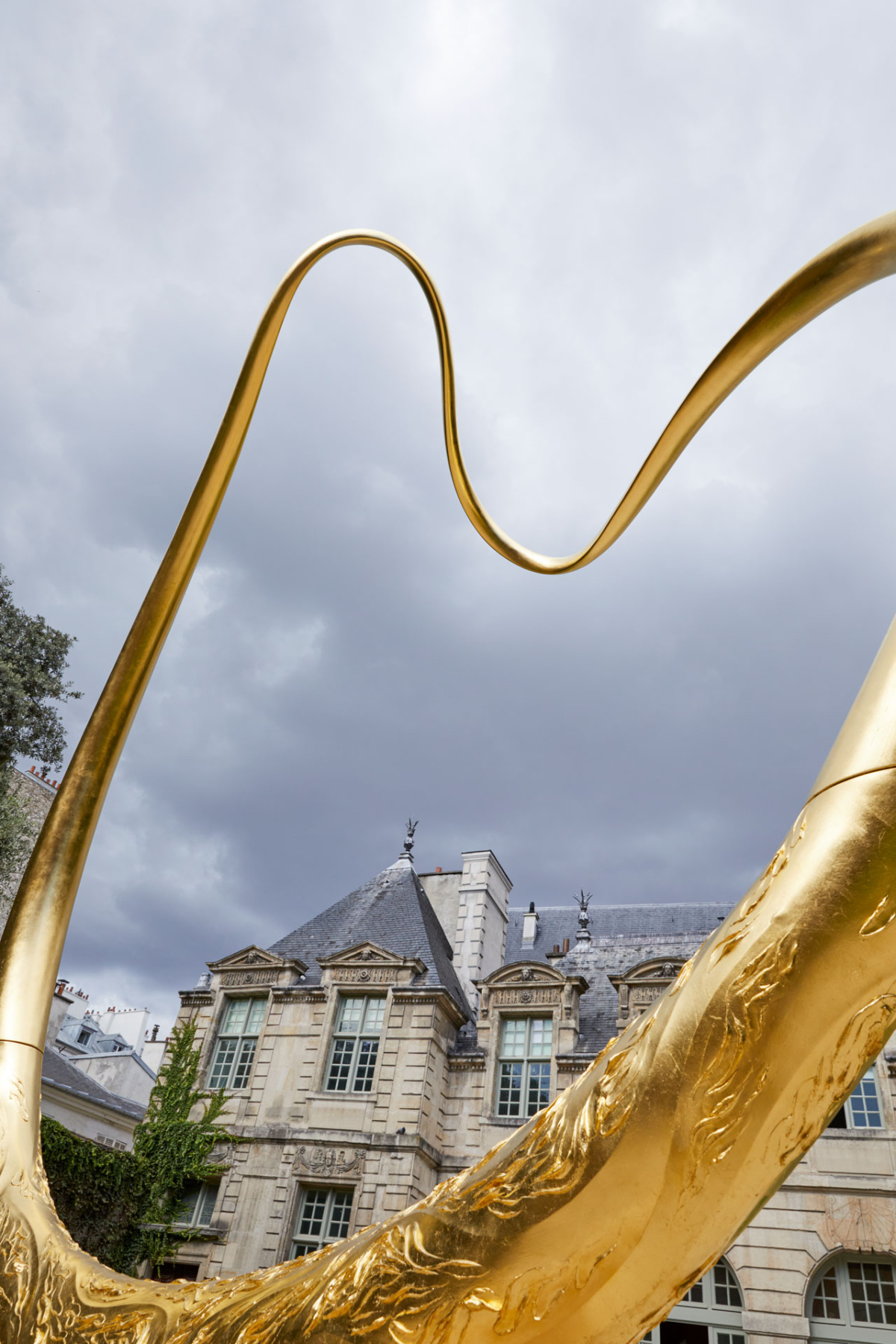
- A gilded arc from Joseph Walsh’s Arcanum Formæ against the roofline of the Hôtel de Sully. Joseph, who is from County Cork, has work in the Pompidou, the Musée des Arts Décoratifs, and the Met, and the show runs to October 25. Photo by Grégoire Sevaz, courtesy of Paris Design Week
-
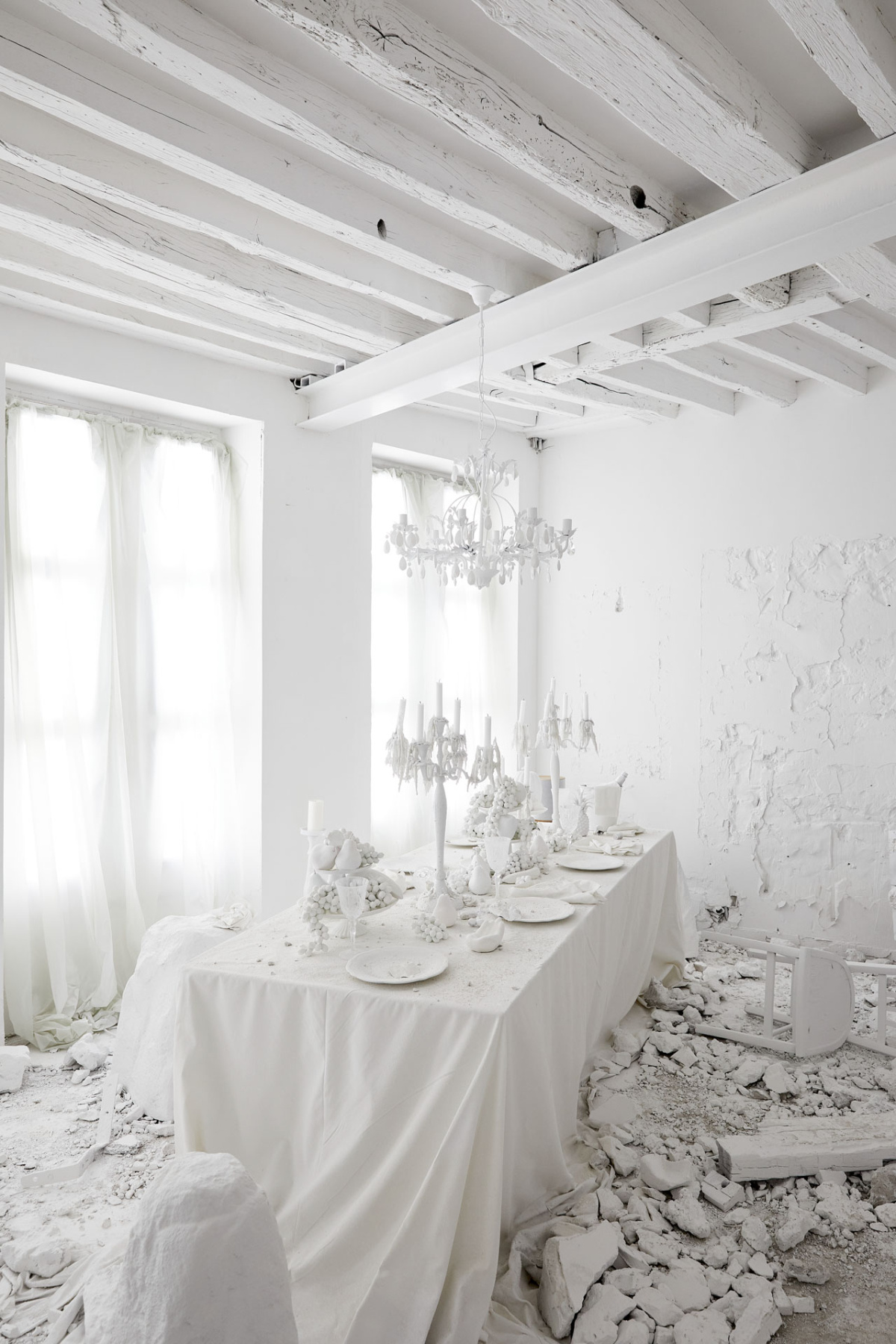
- The all-plaster dining room at L’Hôtel des Possibles, Maison Kyka’s townhouse installation on rue Monsieur le Prince. Maison Kyka staged each floor at a different stage of renovation, from raw to lived-in. Photo by Grégoire Sevaz, courtesy of Paris Design Week
-
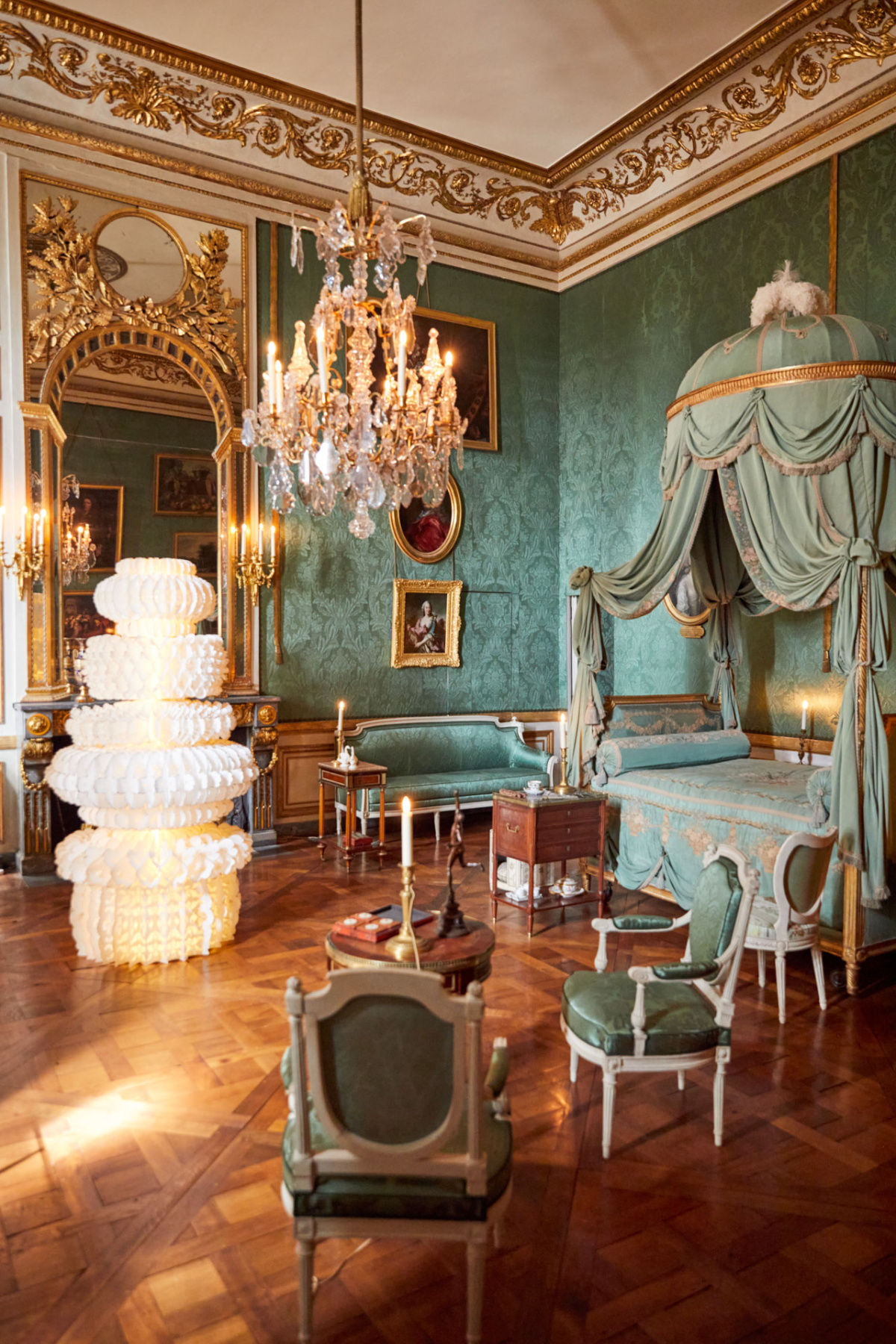
- A tiered hanji lantern in the green silk bedroom of the Hôtel de la Marine, part of Hanjimania. The show paired six French designers with Korean paper artisans and was co-organized with North Gyeongsang Province to mark 140 years of France-Korea diplomatic relations. Photo by Grégoire Sevaz, courtesy of Paris Design Week
-
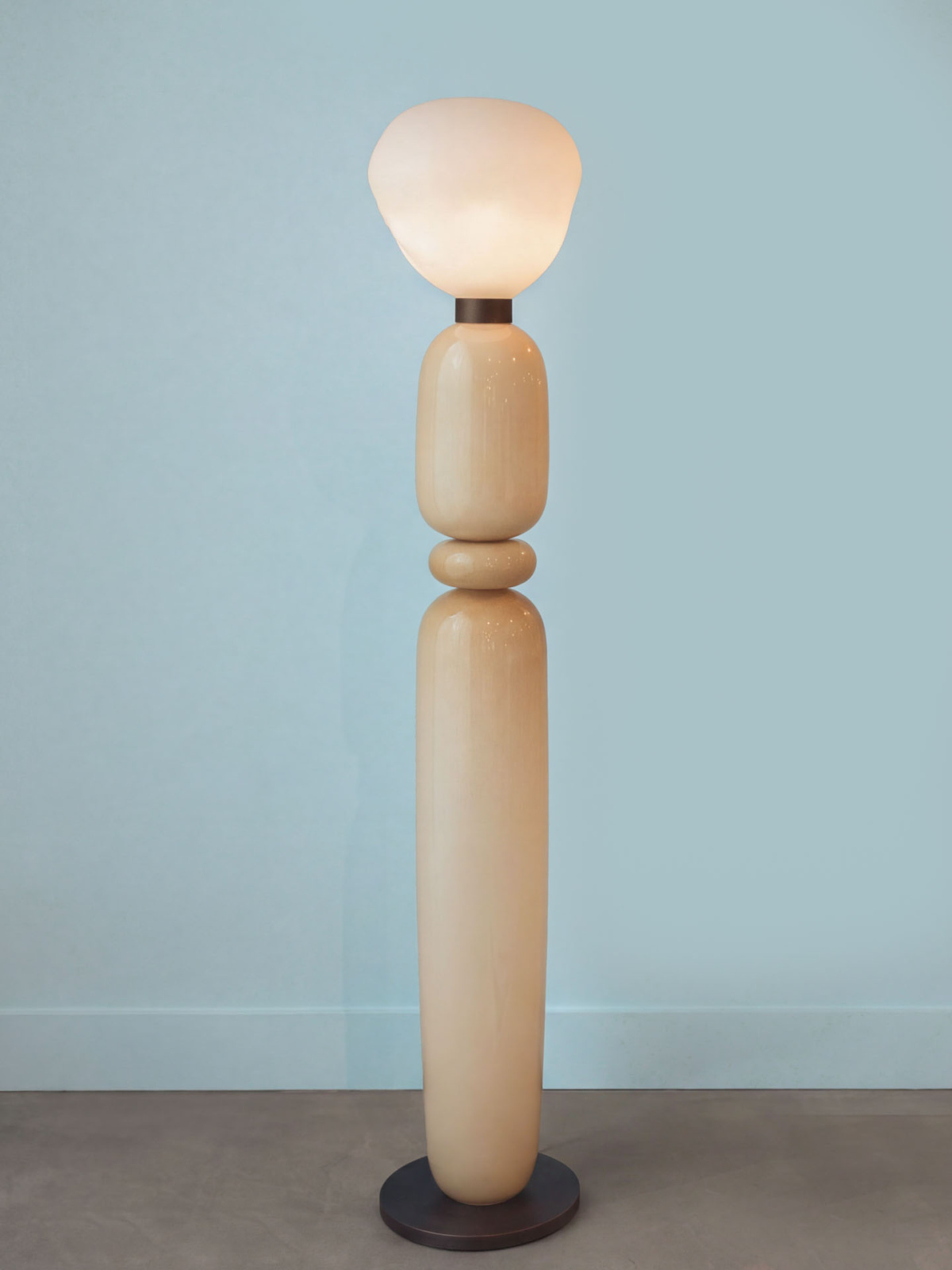
- A floor lamp from Veronese, the Paris lighting house working in Murano glass since 1931, built from stacked pale glass forms under a frosted head. Photo courtesy of Veronese
-
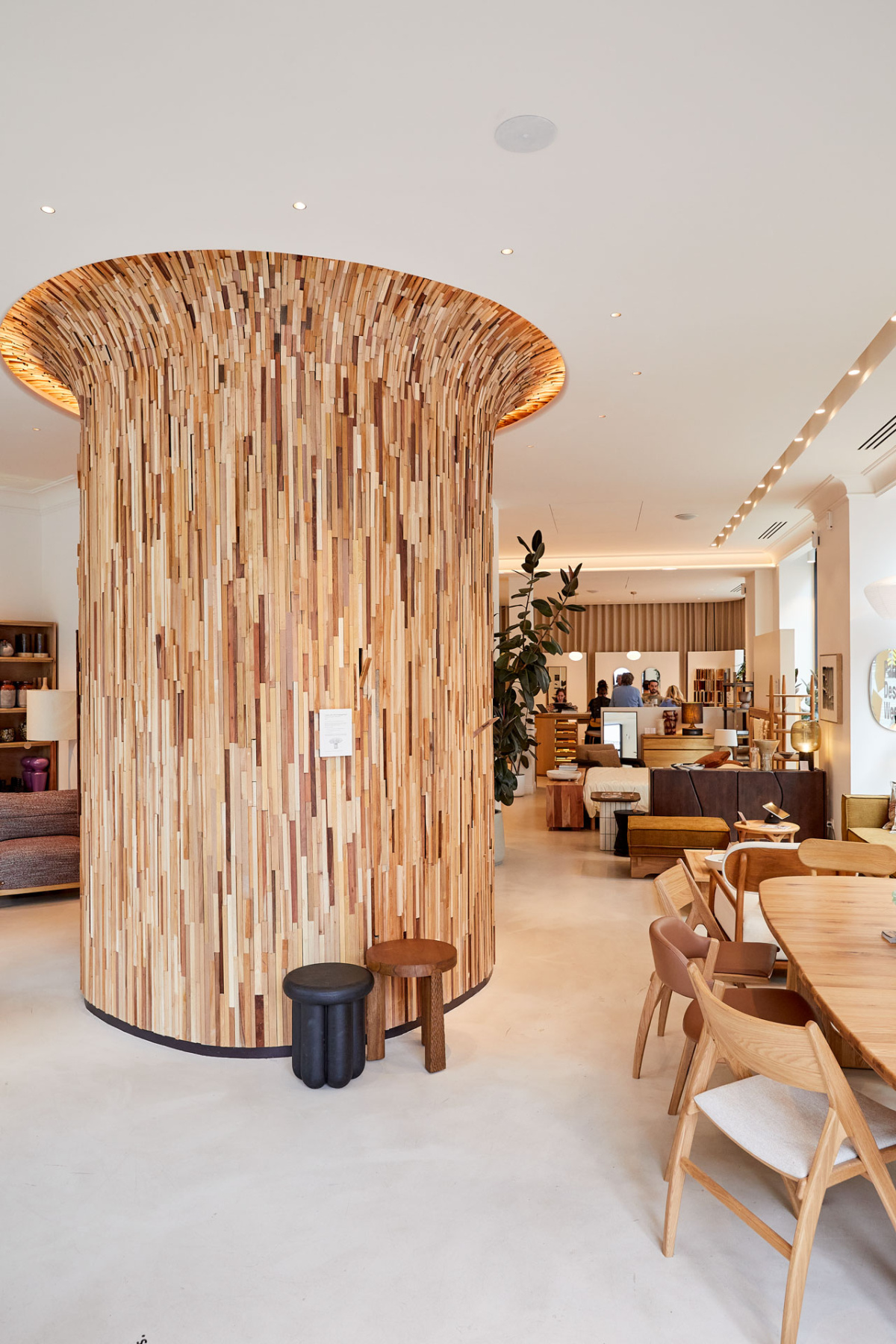
- A column clad in thousands of wood offcuts inside Tikamoon’s store on avenue de l’Opéra, flared at the top like a canopy. Tikamoon sells solid-wood furniture delivered fully assembled. Photo by Grégoire Sevaz, courtesy of Paris Design Week
-
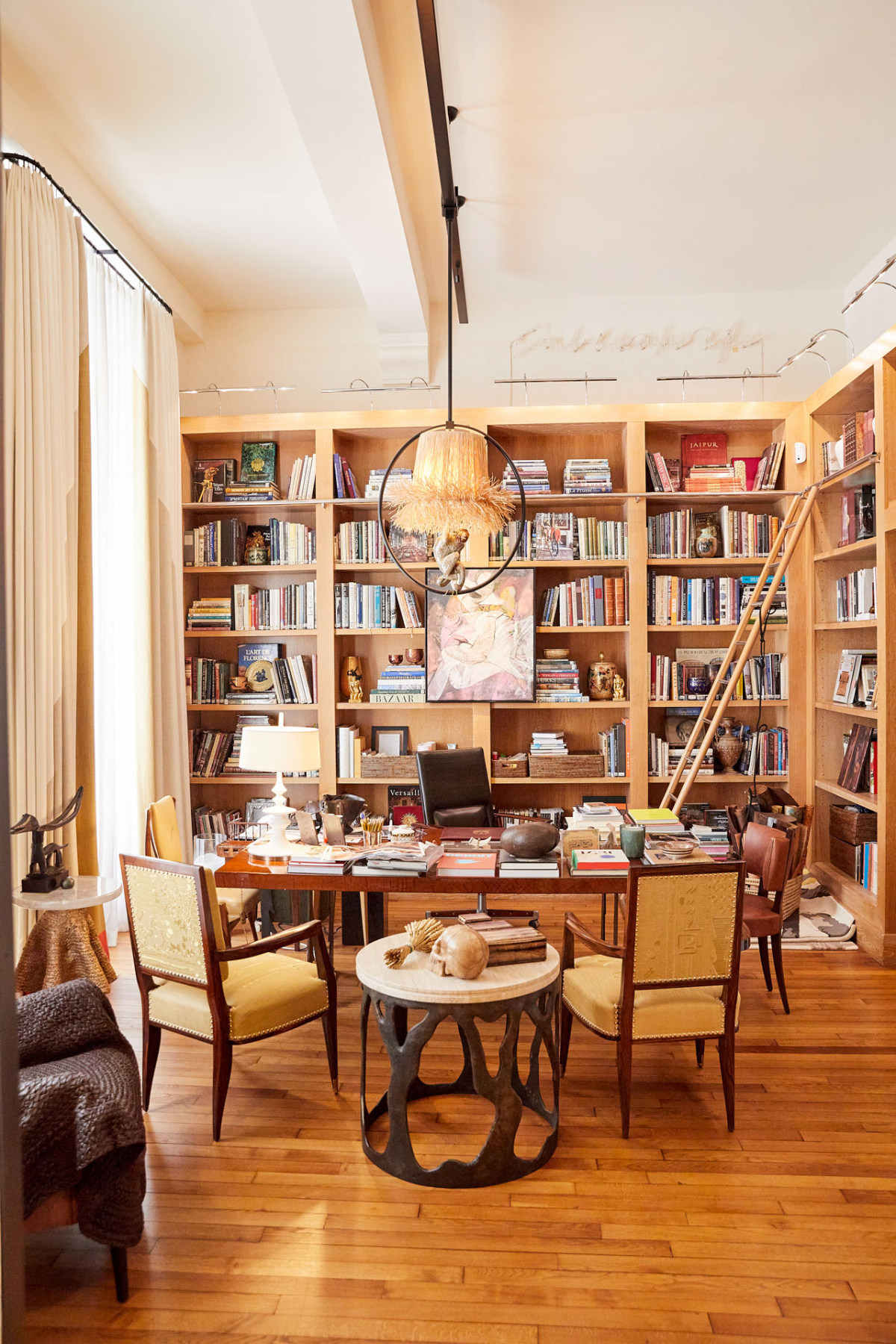
- The library at Pinto’s showroom on rue d’Aboukir, with a raffia pendant and a marble side table on a sculptural bronze-toned base. Pinto used the week to launch a collaboration with the fabric house Nobilis. Photo by Grégoire Sevaz, courtesy of Paris Design Week
-
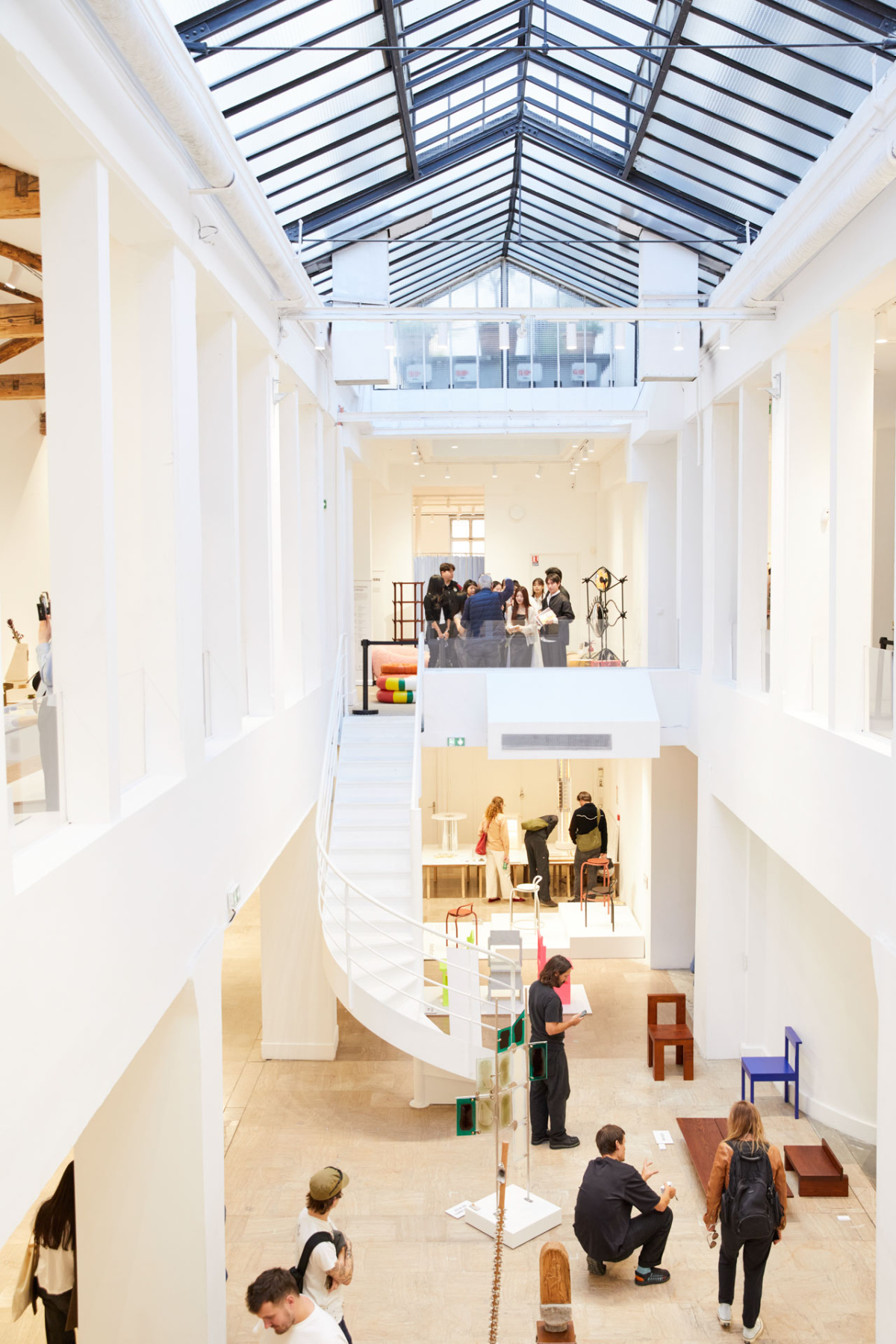
- The skylit atrium at 116 rue de Turenne during Paris Design Week Factory. The Factory ran across four Marais venues this year, curated by Jean-Baptiste Durand and Simon Geringer. Photo by Grégoire Sevaz, courtesy of Paris Design Week
-
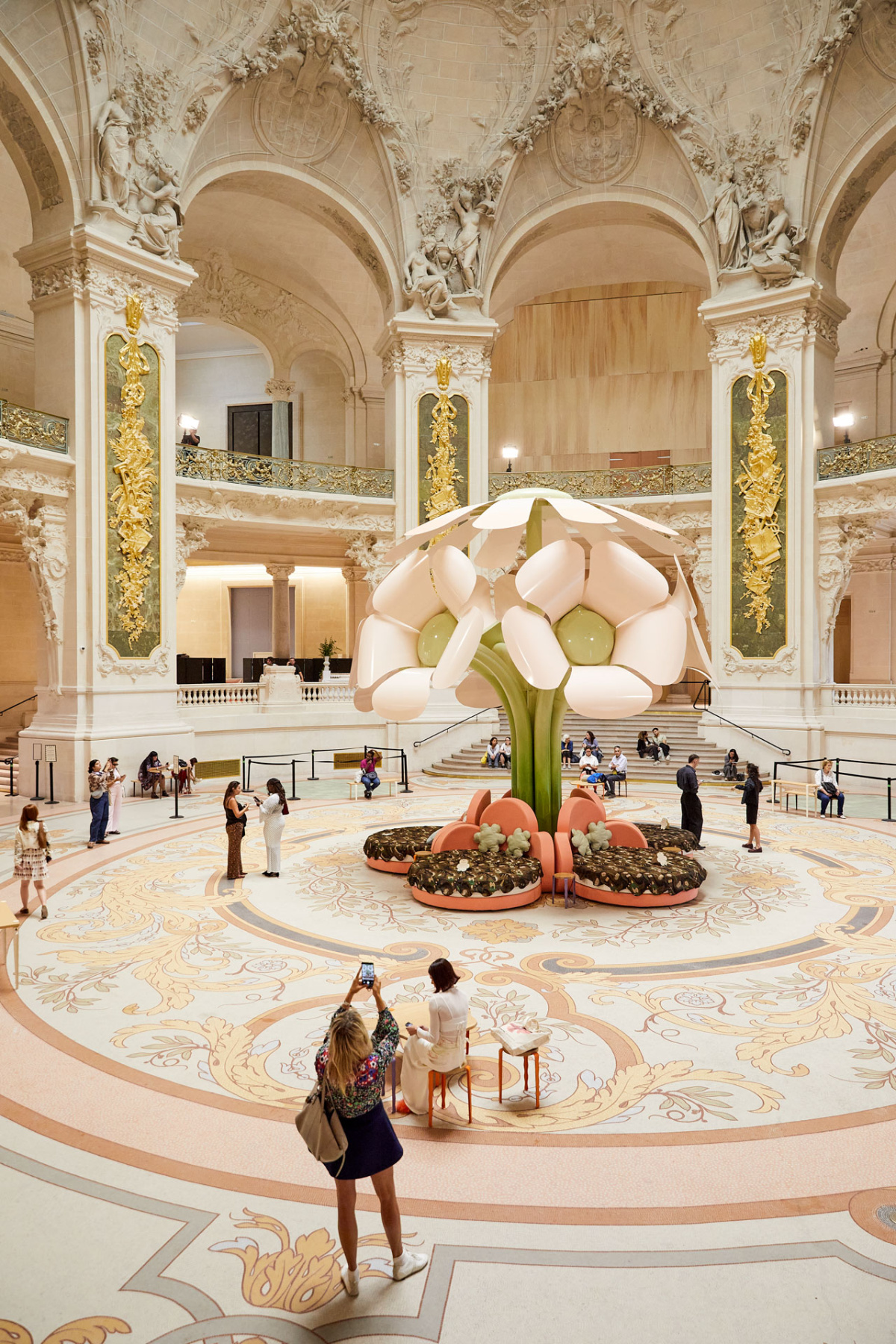
- Le Grand Bouquet by Uchronia under the dome of the Grand Palais’s Rotonde d’Antin during Paris Design Week. Uchronia’s founder Julien Sebban said the aim was for the flower to look as though it had grown out of the building. Photo by Grégoire Sevaz, courtesy of Paris Design Week
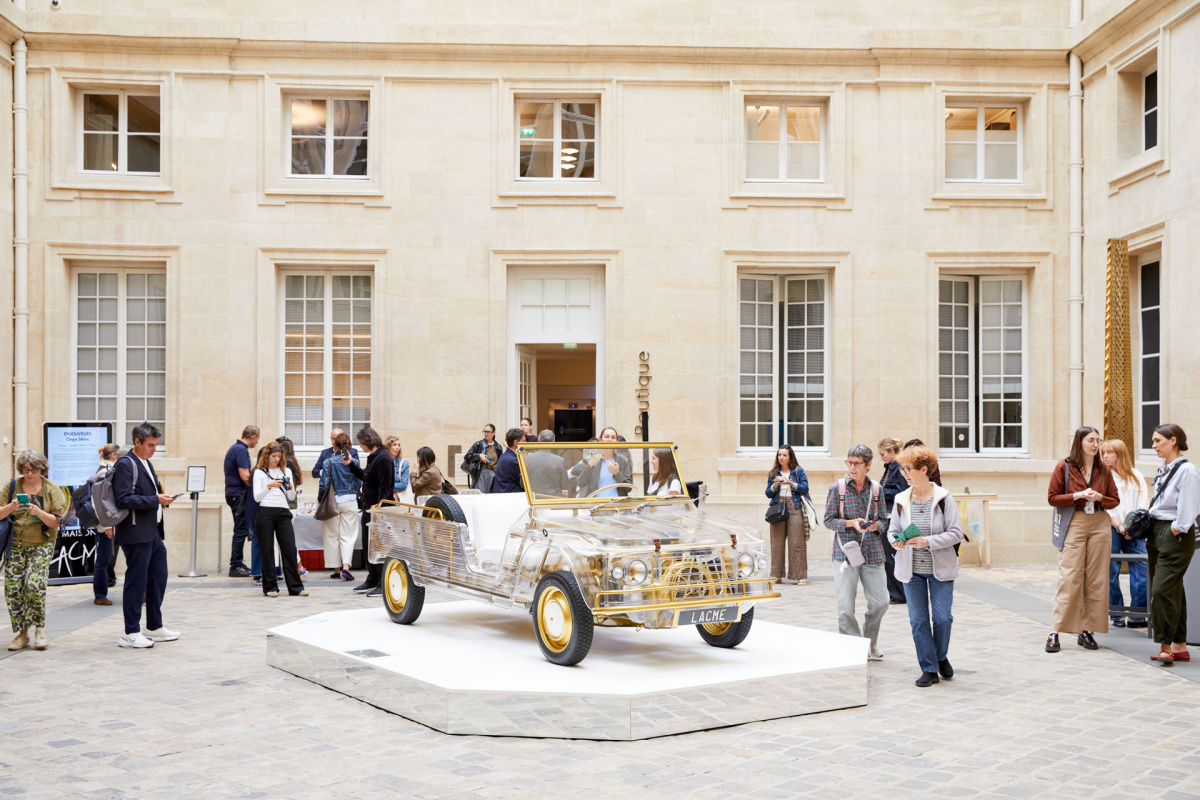
Maison Lacmé’s Astre Mobile, a transparent car on a mirrored plinth in the Cour de l’Intendant at the Hôtel de la Marine. Lacmé had 12 French artisans fit the interior in leather, porcelain, onyx, and lacquer. Photo by Grégoire Sevaz, courtesy of Paris Design Week
Fermob Furnishes the Roof of the Arc de Triomphe
Jérémy Pradier-Jeauneau’s La Tempête runs through the Arc de Triomphe until October 4: more than 30 monumental works made with French ateliers, Atelier Coudray, Sagarminaga, Pinton, Pierre Frey, and Duvelleroy among them, and a scent per room from BDK Parfums with Dominique Ropion. His method, which he calls art contextatif, drops one small object from his childhood into each space and lets it rearrange everything around it. The route ends on the roof with an installation by Fermob.
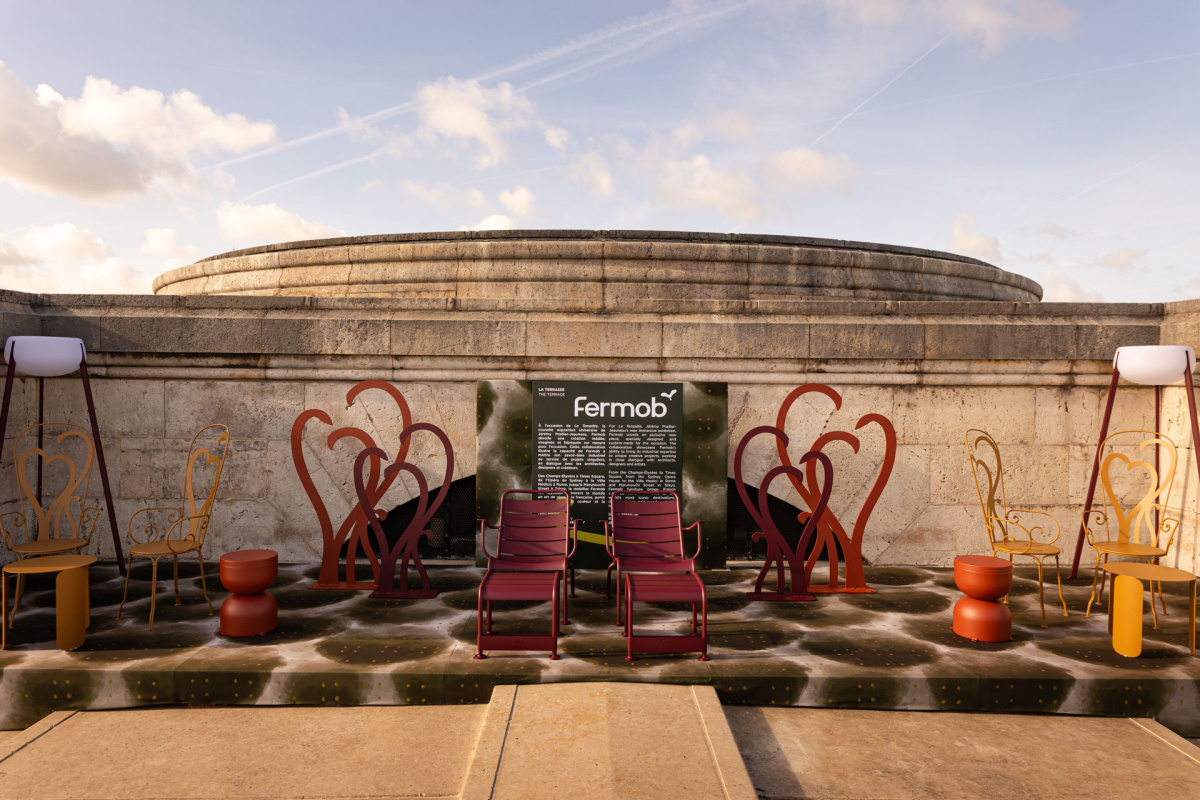
Fermob’s terrace on the roof of the Arc de Triomphe, the last stop of Jérémy Pradier-Jeauneau’s La Tempête. Fermob set loungers and café chairs in burgundy and saffron between cut-steel screens shaped like the palm fronds carved into the monument below. Photo courtesy Fermob.
What Two Chicago Designers Took Home From Their First Maison&Objet
For this edition Sixtysix had the opportunity to bring two Chicago to Paris for the first time. Aimee Wertepny founded PROjECT. Interiors in 2005 (we photographed her home in 2022). Andrew Maddock is a designer and content creator who posts as @drewfromladue. Both came looking for things they could bring back into their work, and we asked them to write down what they found.
“Once in a while you have to leave your algorithm and jump on a plane to Paris,” Aimee says. “As designers, we’re constantly hunting for the thing we haven’t seen 100 times before.”
“A lot of the appeal of Maison for me as an American designer is getting to have the experience to actually feel and see things in person,” Andrew says. “It’s a treat you don’t get to know or experience, or that you don’t get to have often at US-based shows. Or sometimes you might want to incorporate something from a brand, but don’t because it’s a little bit more expensive to import a European brand.”
-
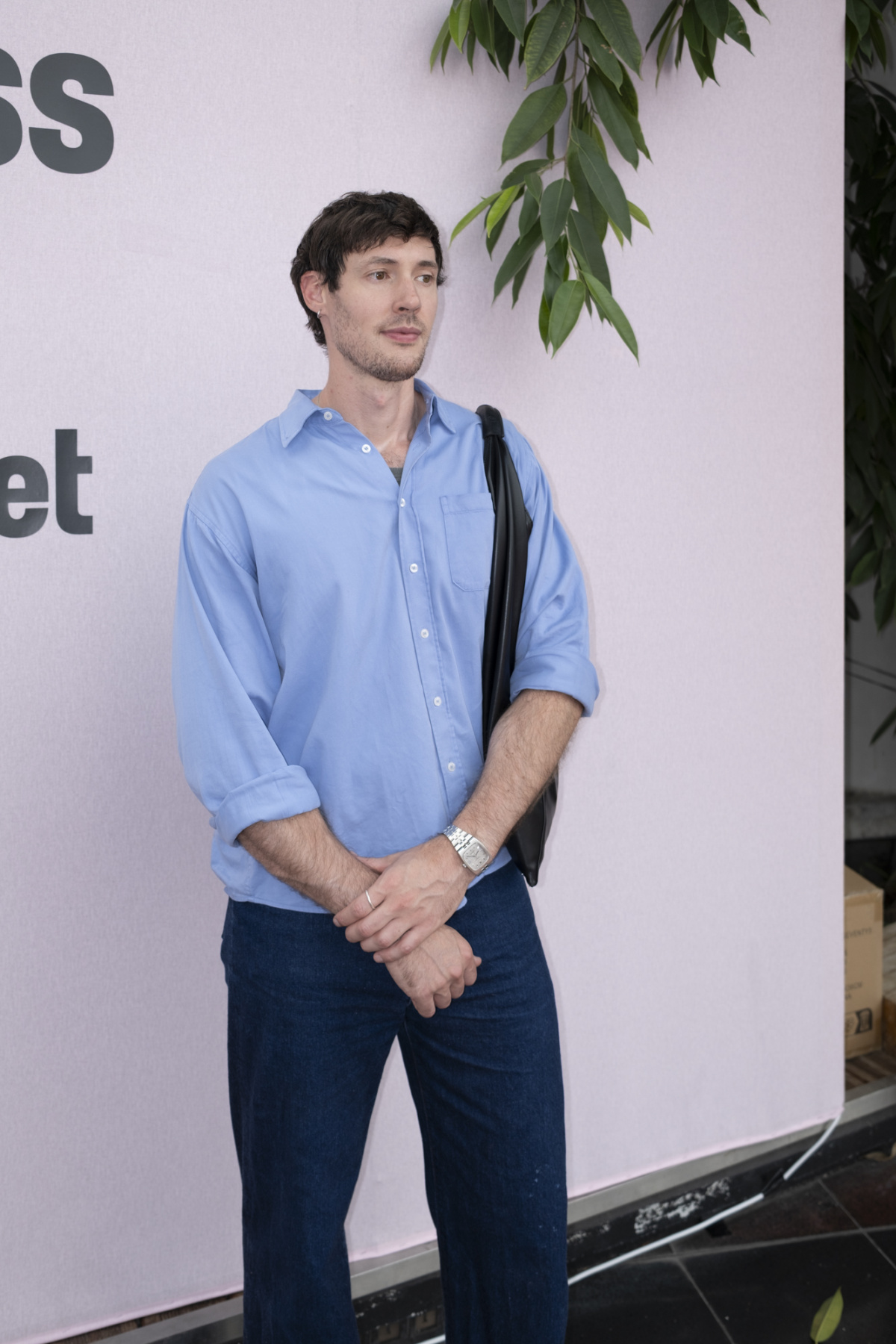
- Andrew Maddock. Photo by Chris Force
-
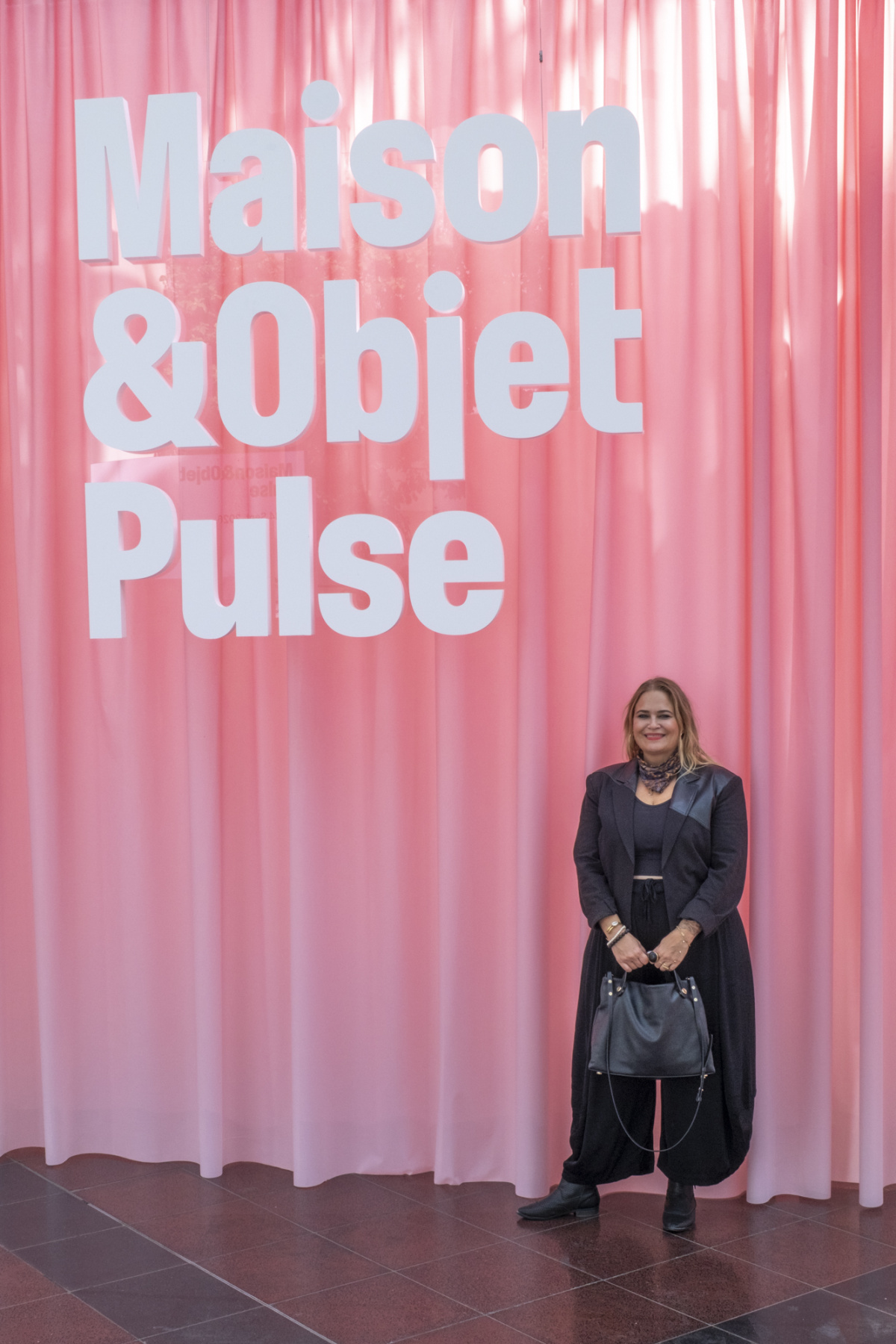
- Aimee Wertepny. Photo by Chris Force
“For American designers, I think Maison&Objet offers something we desperately need: perspective outside of our own design bubble,” Aimee says. “We have incredible access to product in the US, but because of social media, algorithms and the speed at which trends travel, sometimes everything can start looking a little…same-same. Our clients are increasingly well-traveled and design literate. They don’t want the chair they’ve already seen on Instagram 47 times. They want homes that feel collected, personal and impossible to duplicate. I came home creatively full, with a croissant in my purse.”
The fair spent five days telling everyone it was in motion. Sarah spent them setting a table so people would stop.
Maison&Objet Premier, the January edition, runs January 14 to 18, 2027, at Paris Nord Villepinte.