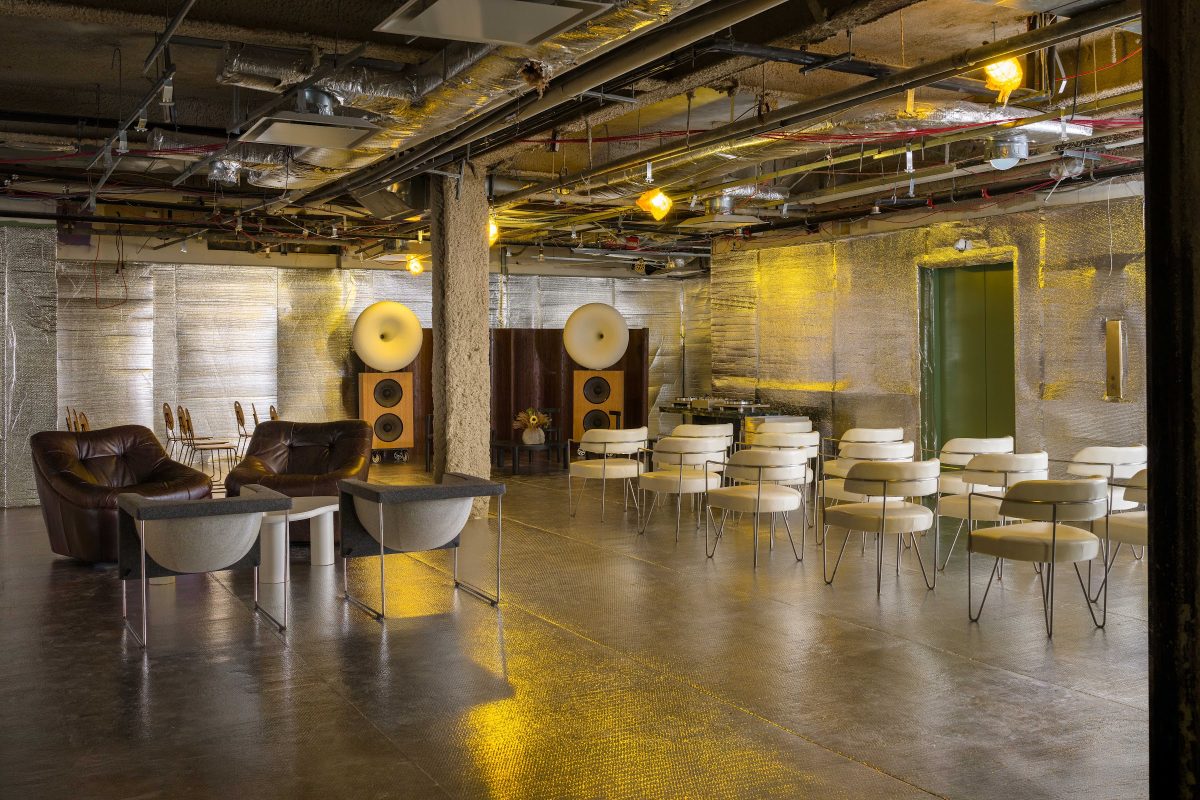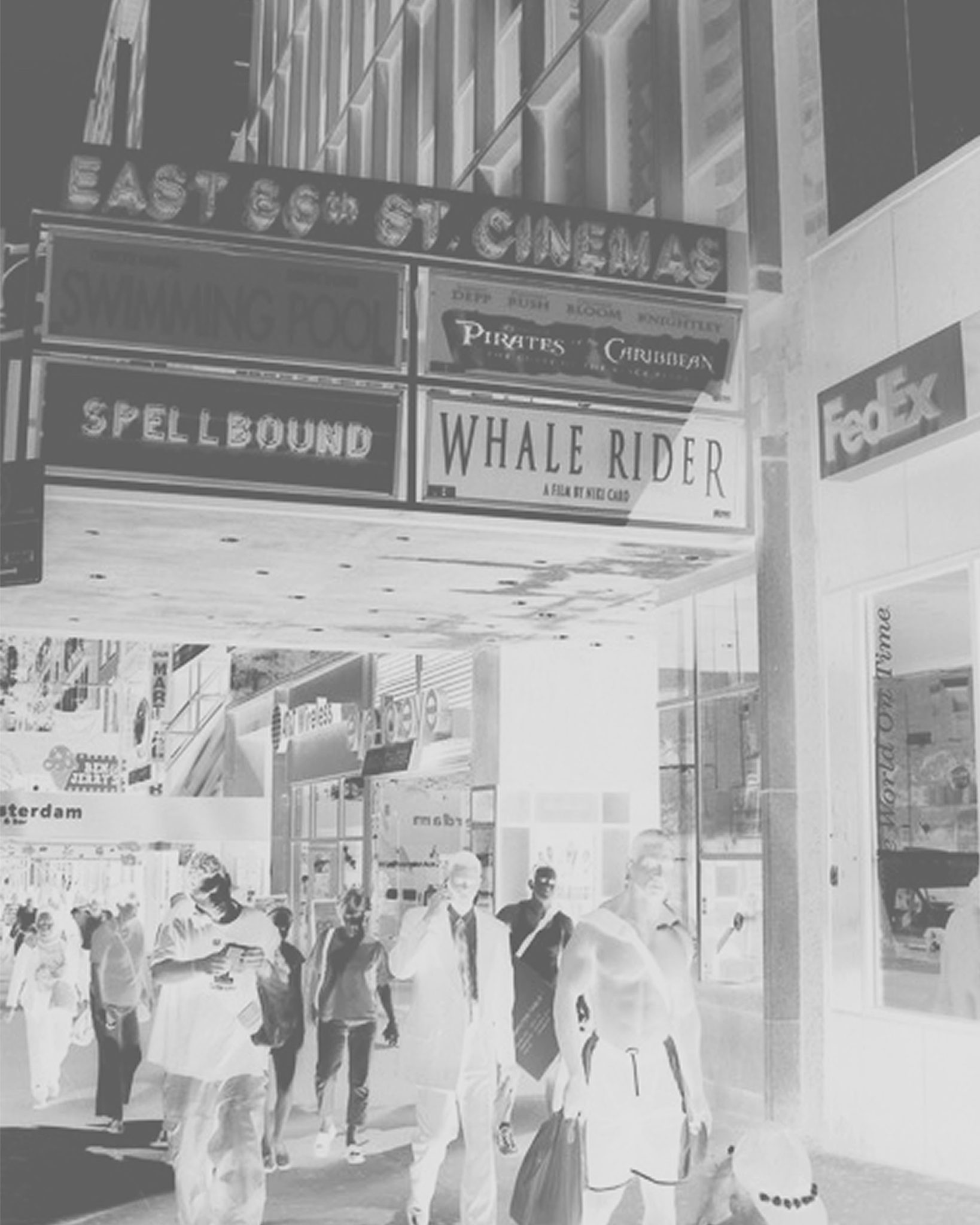
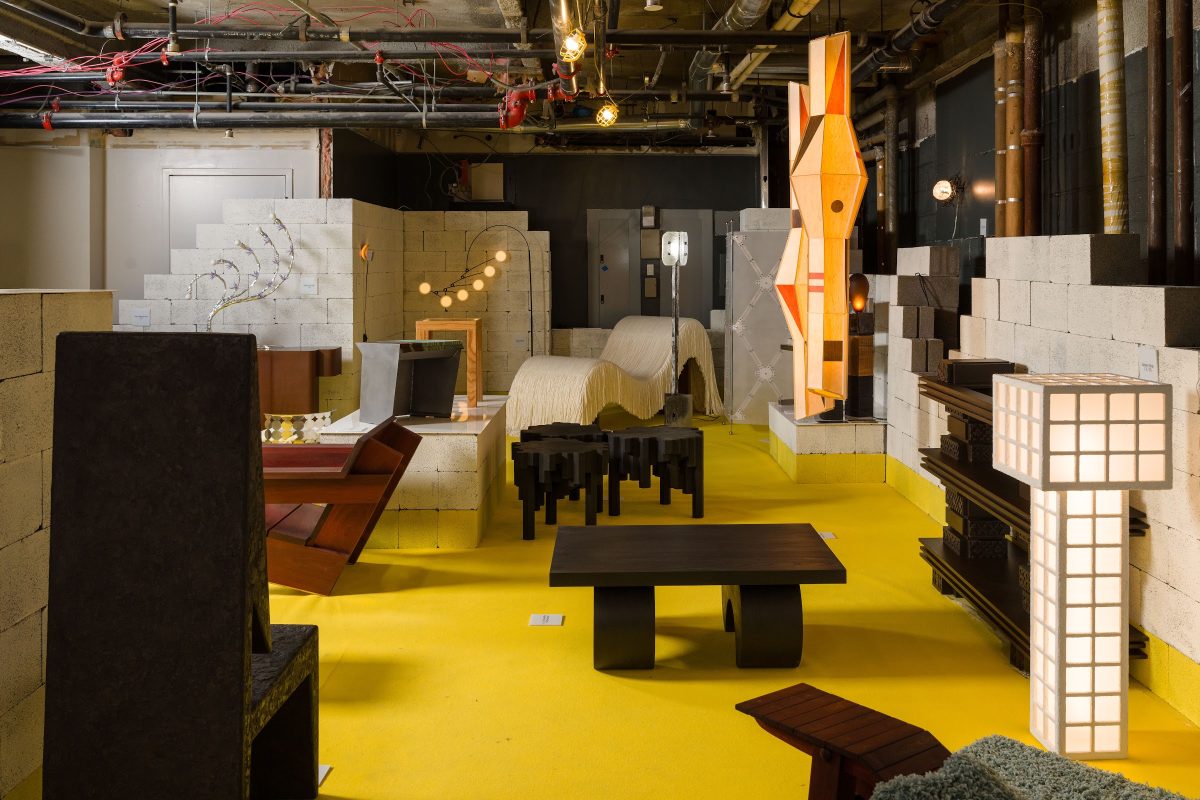
Collectible spent its first two New York editions in the WSA building downtown. For its third, the fair moved to November, the same week as BDNY and Salon Art + Design, and uptown to 210 East 86th Street, a former movie theater with projection booths and screening rooms. More than 110 exhibitors from 27 countries filled it from November 6-8, after press and VIP previews on November 4-5.
Liv Vaisberg and Clélie Debehault founded Collectible in Brussels in 2018 as a fair for 21st-century design only, with galleries, independent studios, and institutions in one open space. In New York it runs in sections: Main for galleries, Bespoke for studios working to commission, New Garde for collectives and not-for-profits founded within the past three years, and two curated sections. Mzwakhe Ndlovu designed the fair’s scenography, with exhibition architecture by Thomas Ponds.
The Office as Fantasy
Alex Tieghi-Walker, founder of the downtown gallery TIWA Select, built the Curated section as Human Resources, a late 20th-century office reimagined through collectible design. “Arranged as a series of office cells, the installation adopts the recognizable layout of a conventional workplace, only to fill it with objects that challenge its uniformity,” he said.
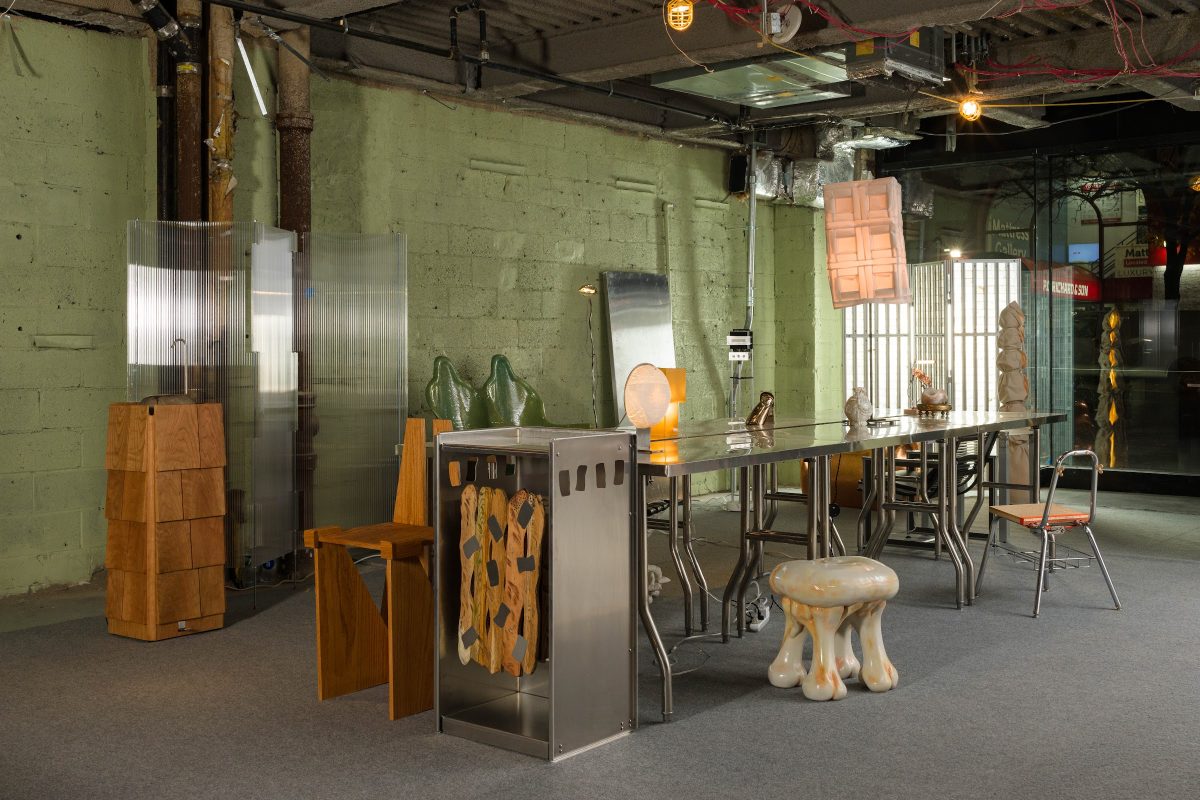
Andrew McAteer hammered a Louis XIV-style carry-on suitcase from aluminum sheet and lined it in red Moroccan leather. Romain Basile Petrot’s Break a Leg chair stands on its two back legs, a nod to Giotto Stoppino’s Alessia chair. Kristina Saakyan of KS Architects showed The Burned-Out Archive, a mirrored steel bar cabinet that plays on the Wall Street safety deposit vault. Chimera Design lent a red-stained oak conference table it had built for a client with no plan to exhibit it. The studio called Human Resources “the first context that feels like a natural fit for sharing it publicly.”
Furniture for Fashion
Lynette Nylander, executive digital director of Harper’s Bazaar and a former executive editorial director of Dazed, curated the Fashion section around furniture and spatial ideas made for runways and retail. “Fashion to me has always been a marvel of human ingenuity,” Lynette said.
Adam Terrett had a silo maker in the sugar cane fields of northern New South Wales fabricate his Static Chair from standard stainless steel sections, then upholstered it in tie-dyed recycled wool. Mary Elizabeth Alford‘s Pointe Chair, part of a vanity set, takes its mirrored stainless steel shell from the metal disk dresses of Paco Rabanne’s 12 Unwearable Dresses collection. Lærke Laura set glass fragments rejected from production into a blown-glass candelabrum, and Teresa Wang encased a peony in the glass of her Bird’s Nest Sconce.
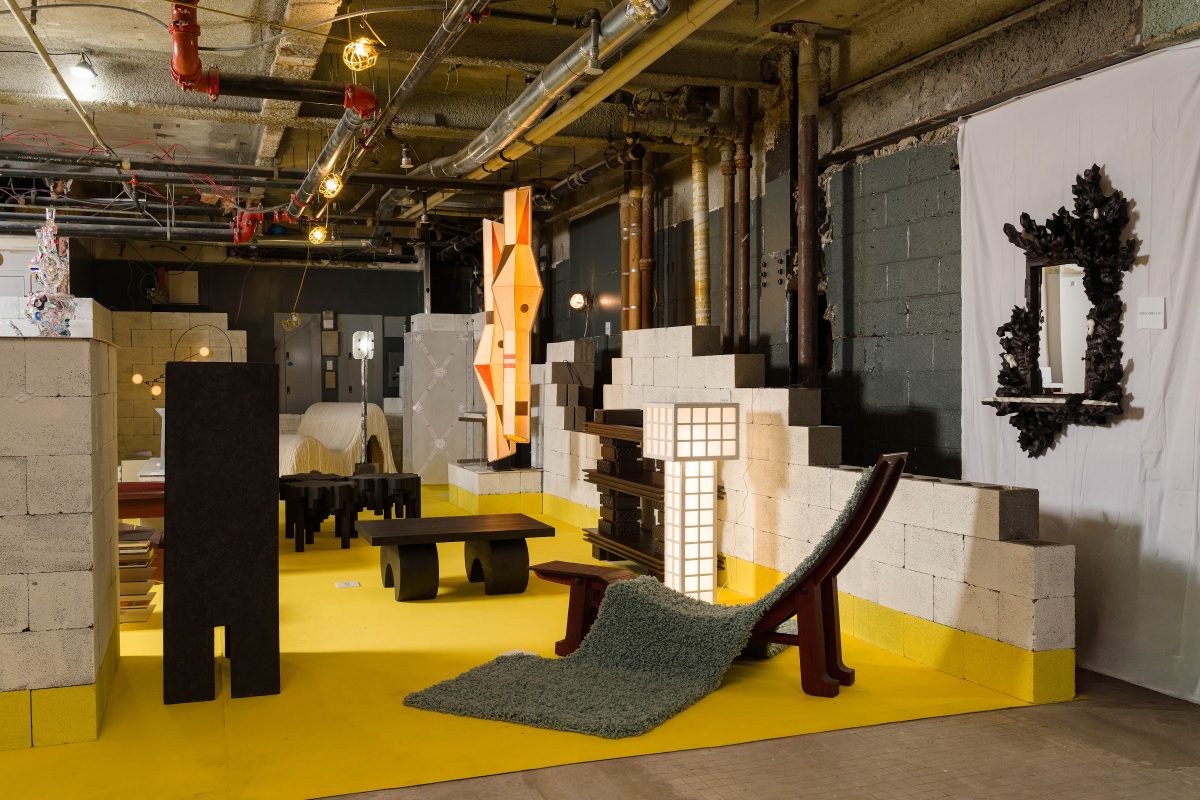
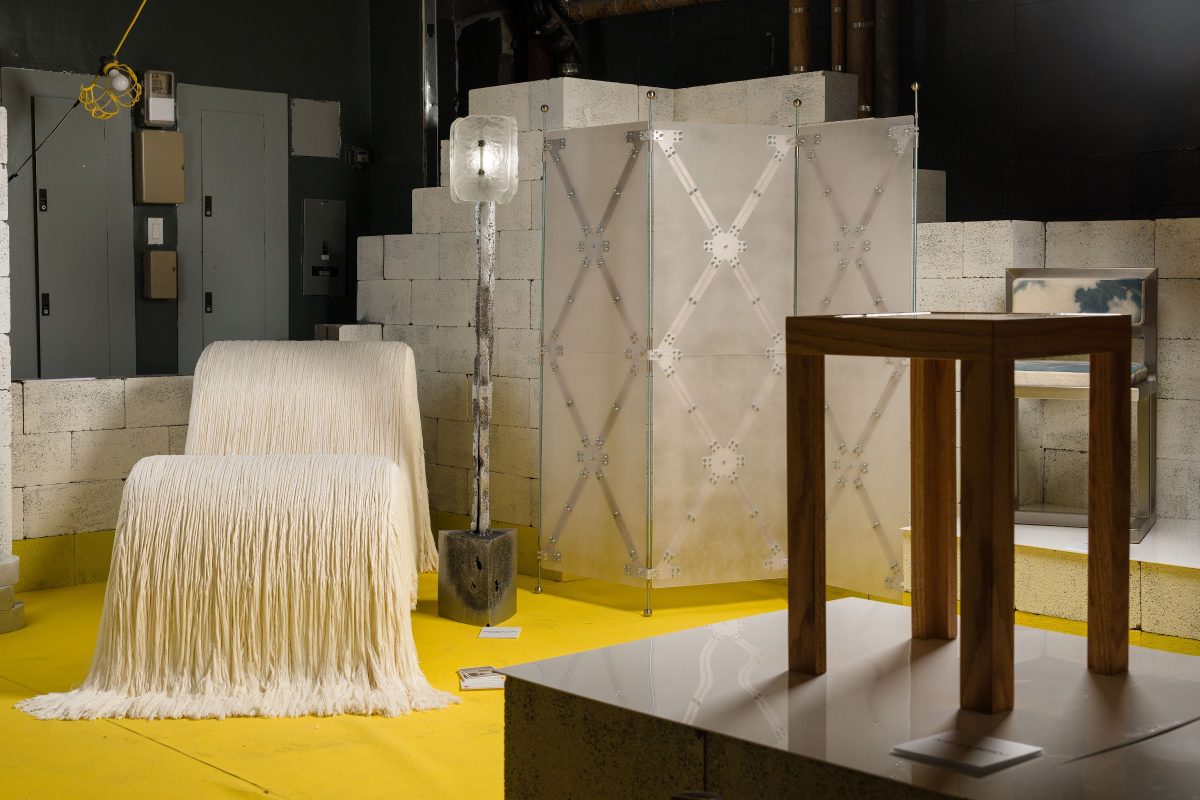
The Main Galleries
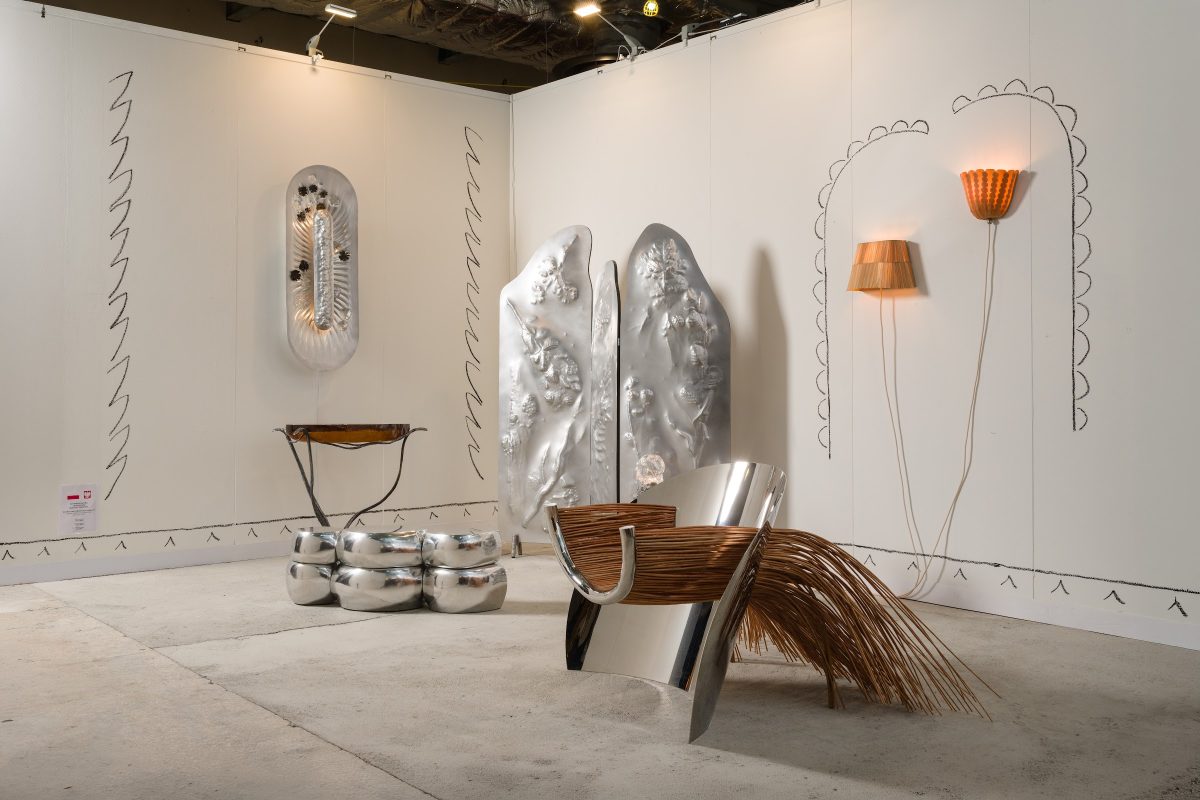
Objekt brought a survey of Polish collectible design across generations. Colony, exhibiting for the first time, showed new textile works by Anjuli Bernstein with lounge chairs by independent designers. Jamieri, a gallery from upstate New York, showed bent stainless steel mirrors by Studio Gypsandconcrete from Tbilisi, Georgia.
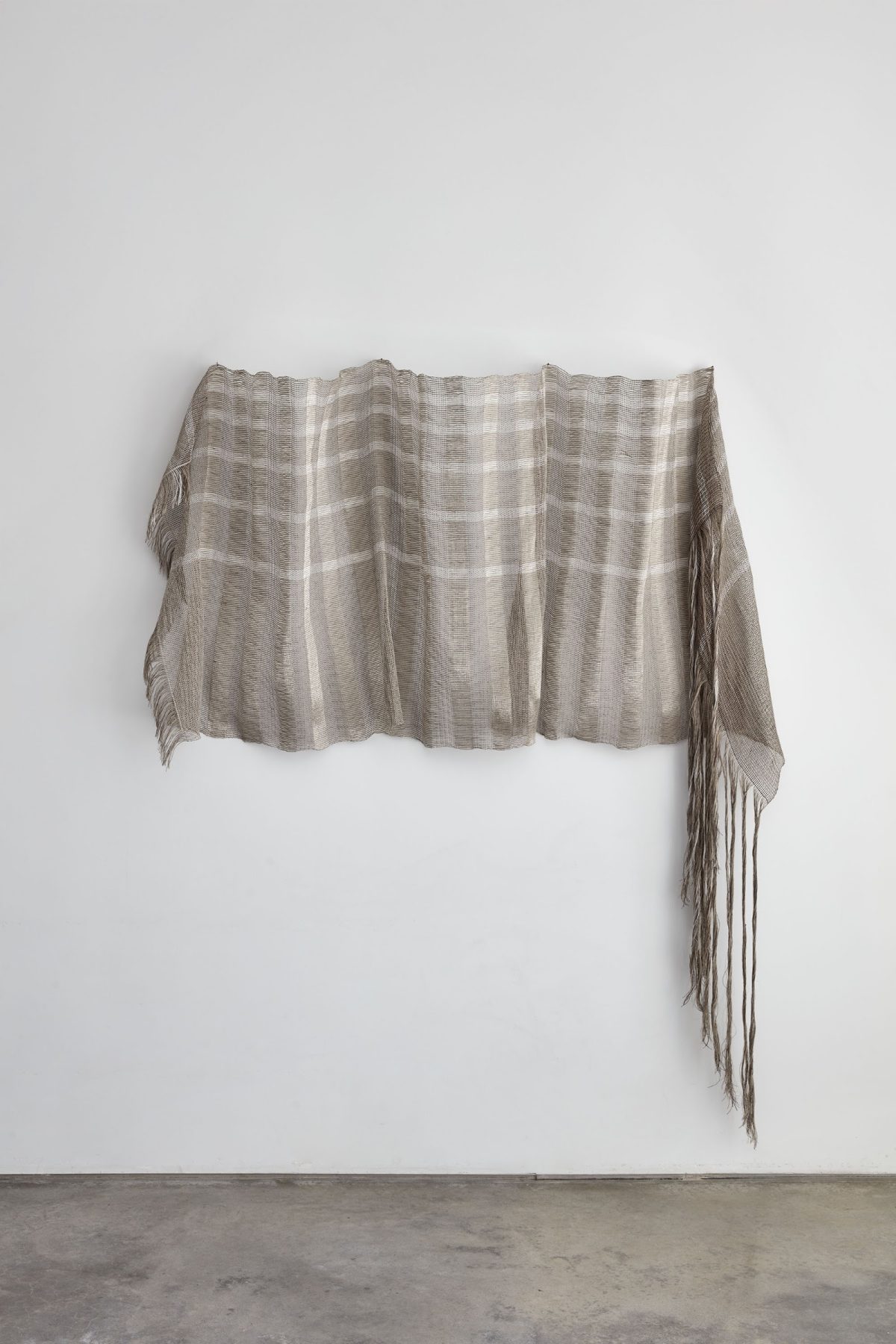
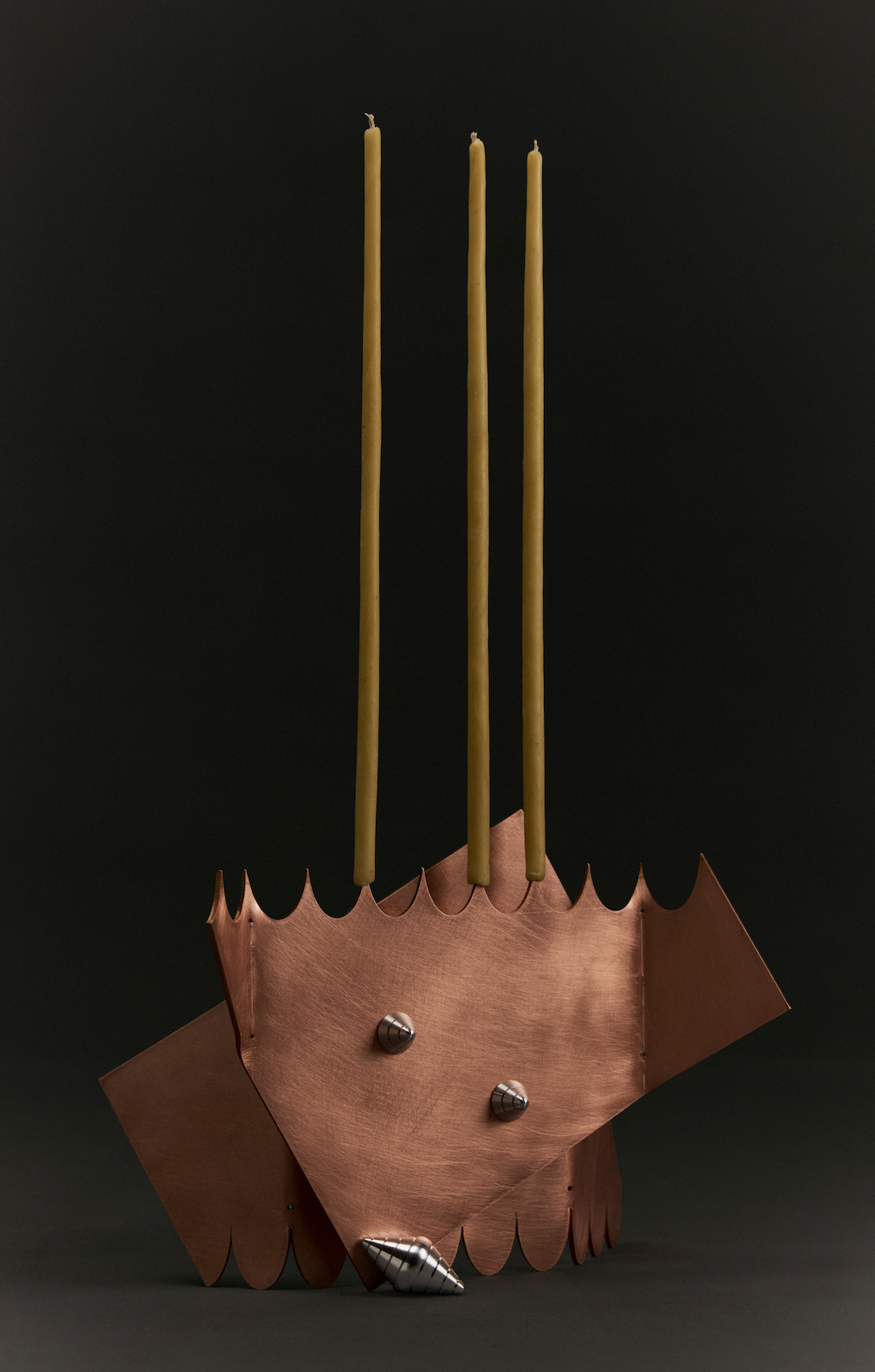
Placed, from Montana, titled its presentation A Future for History.
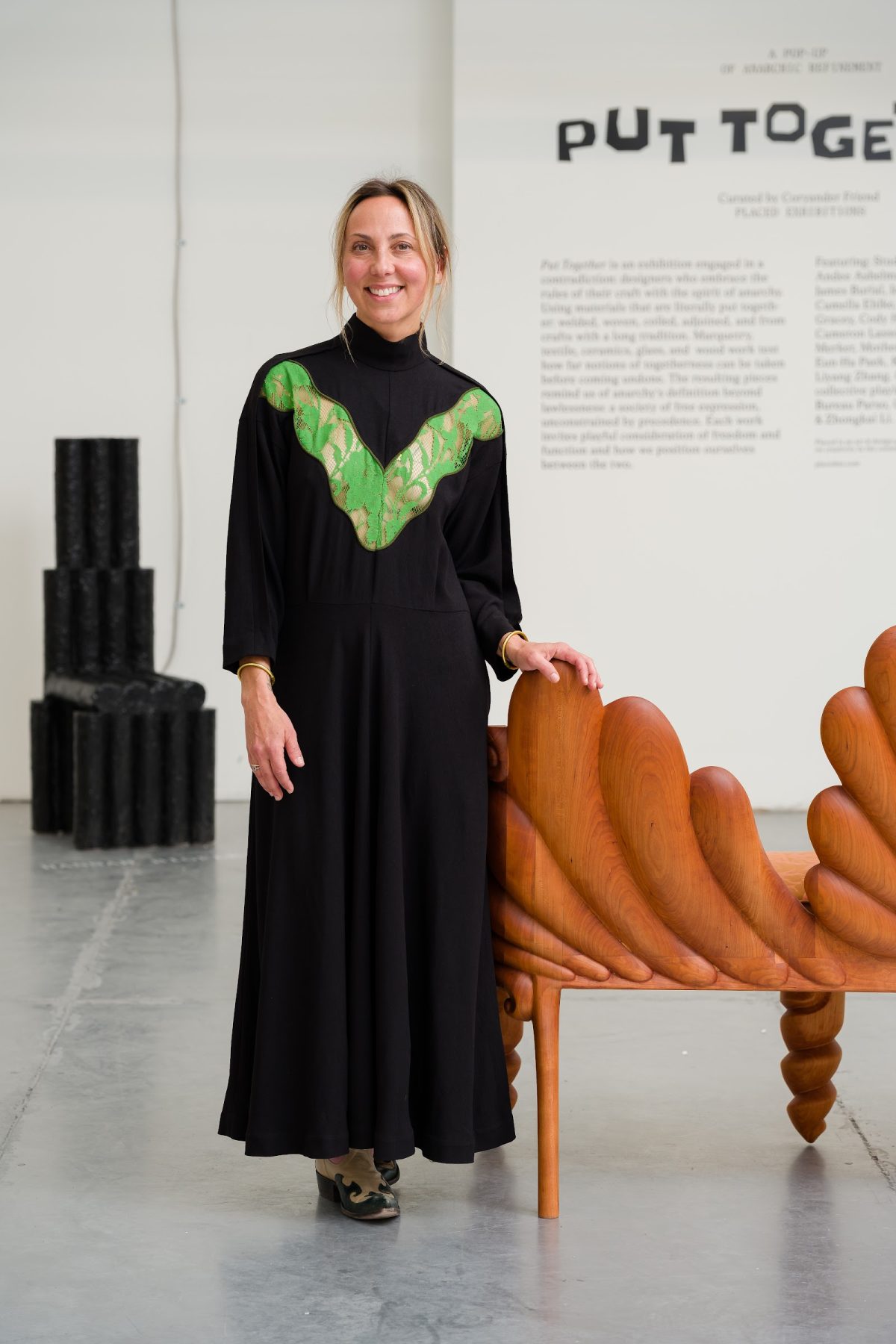
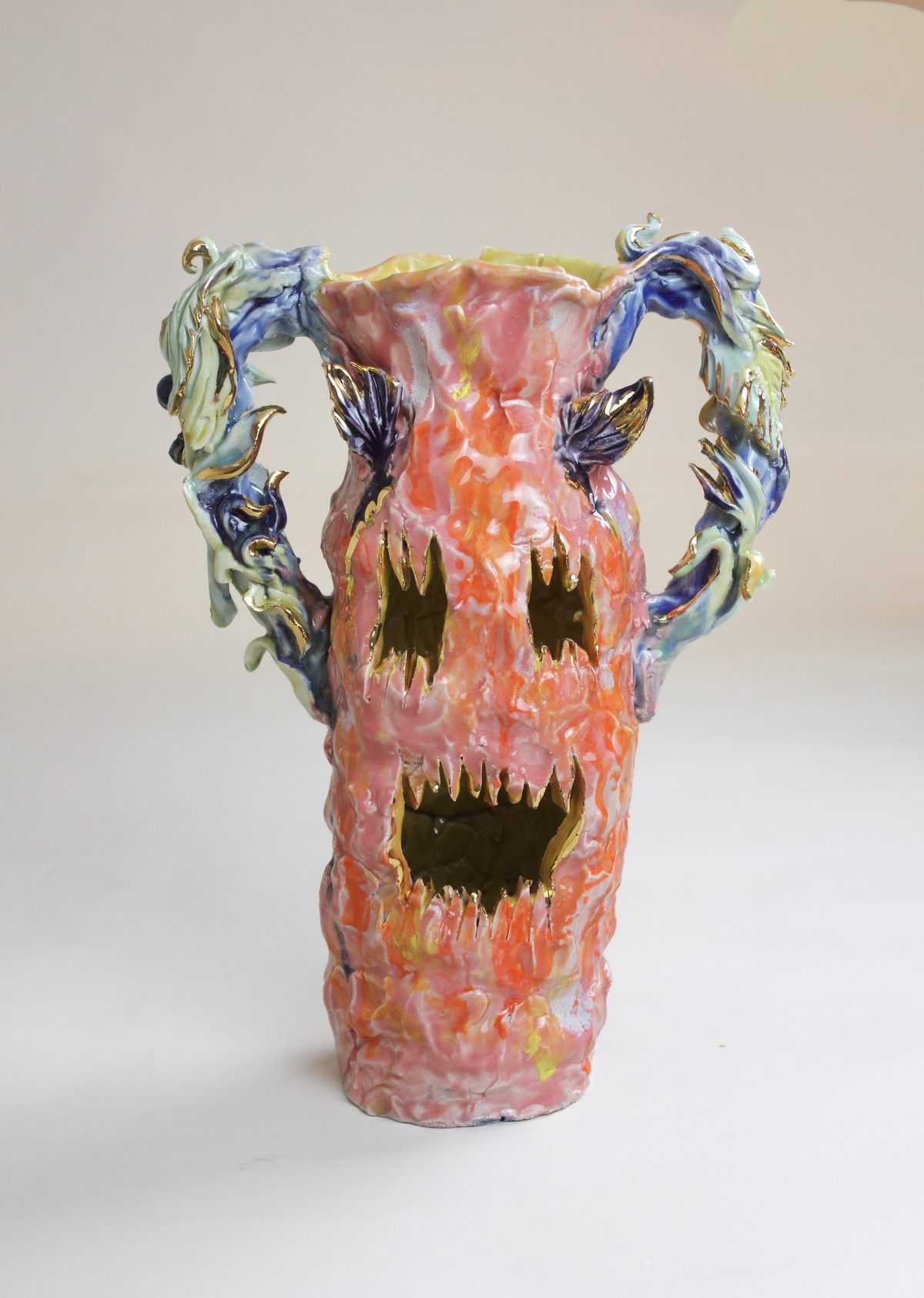
K’ab Juun made its Collectible debut with new work in materials endemic to Mexico. Tuleste Factory staged After Ours, and Otras Formas, which showed at the first New York edition in 2024, came back.
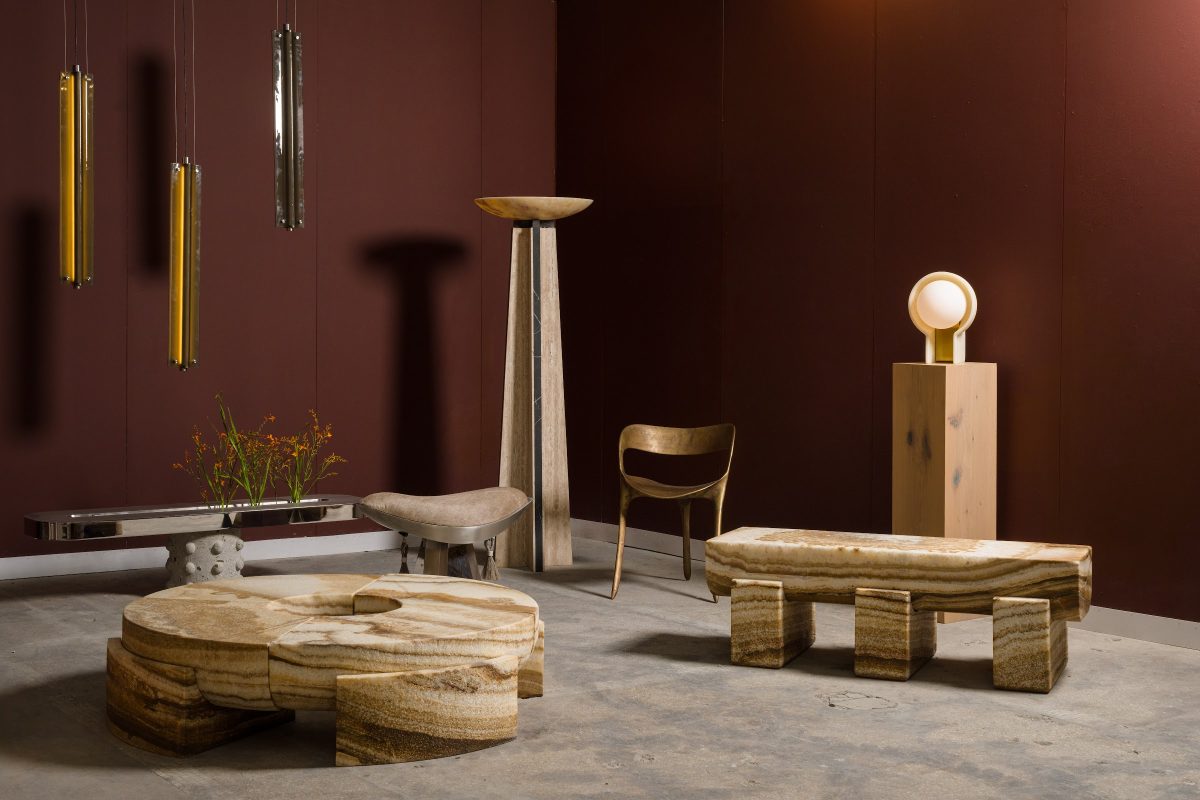
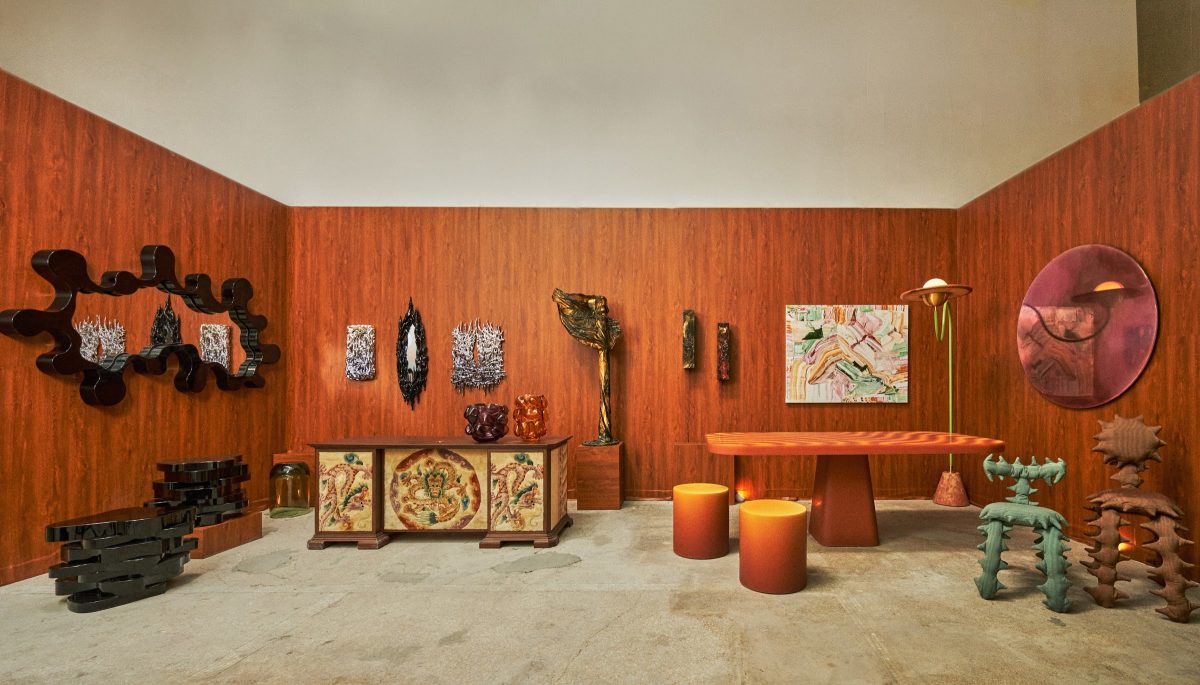
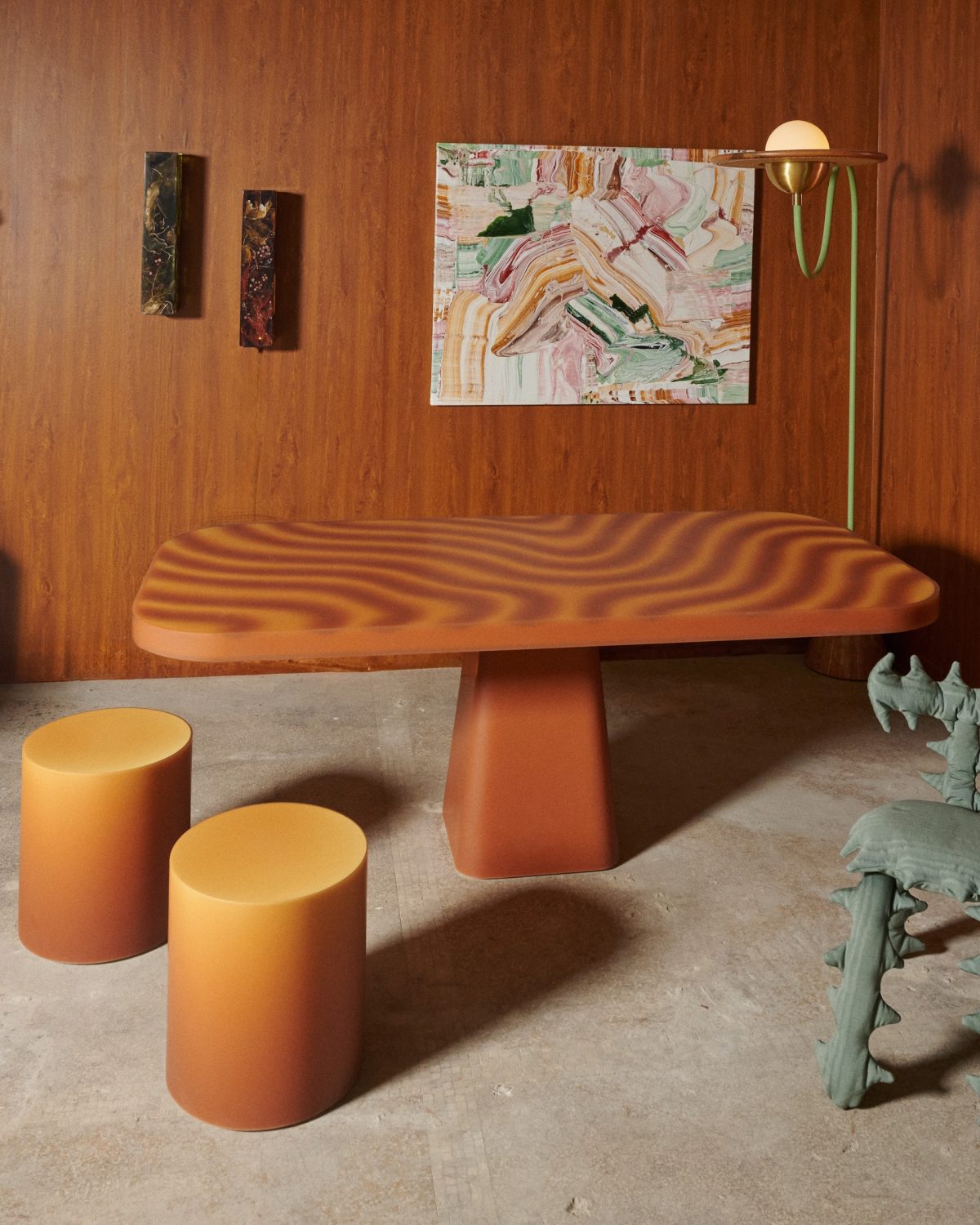
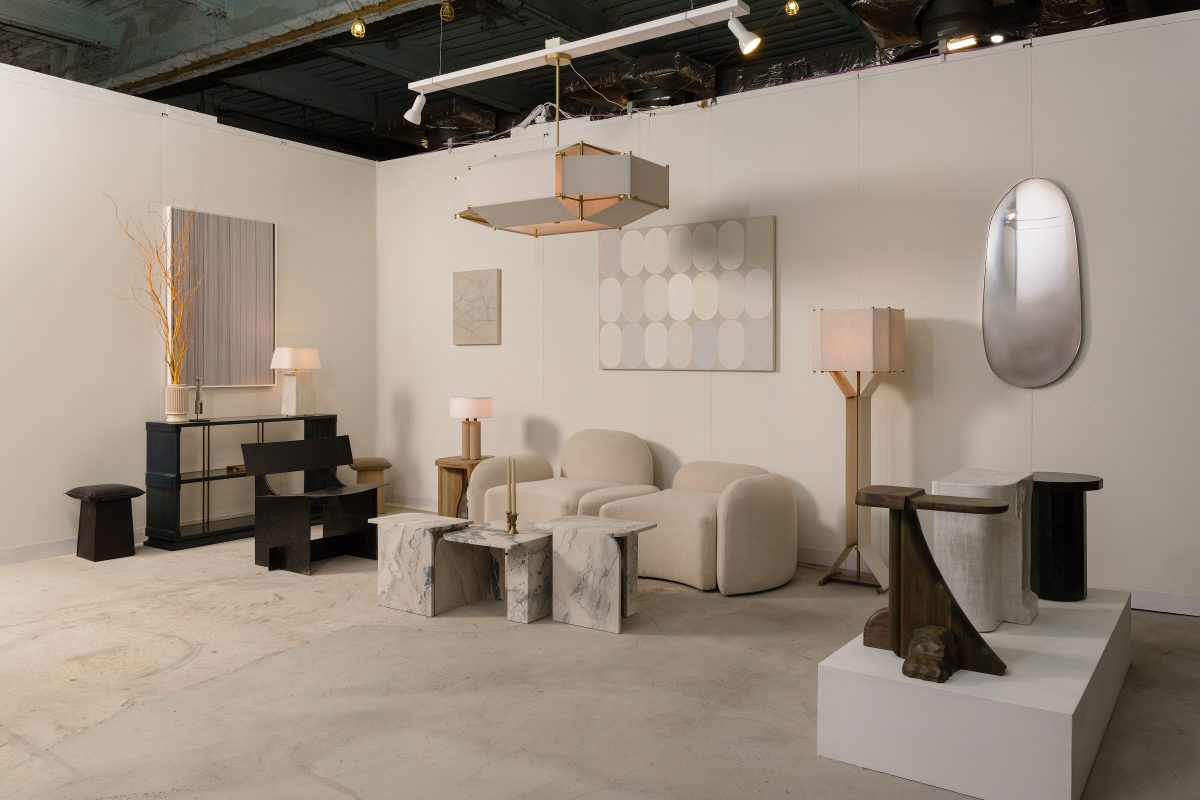
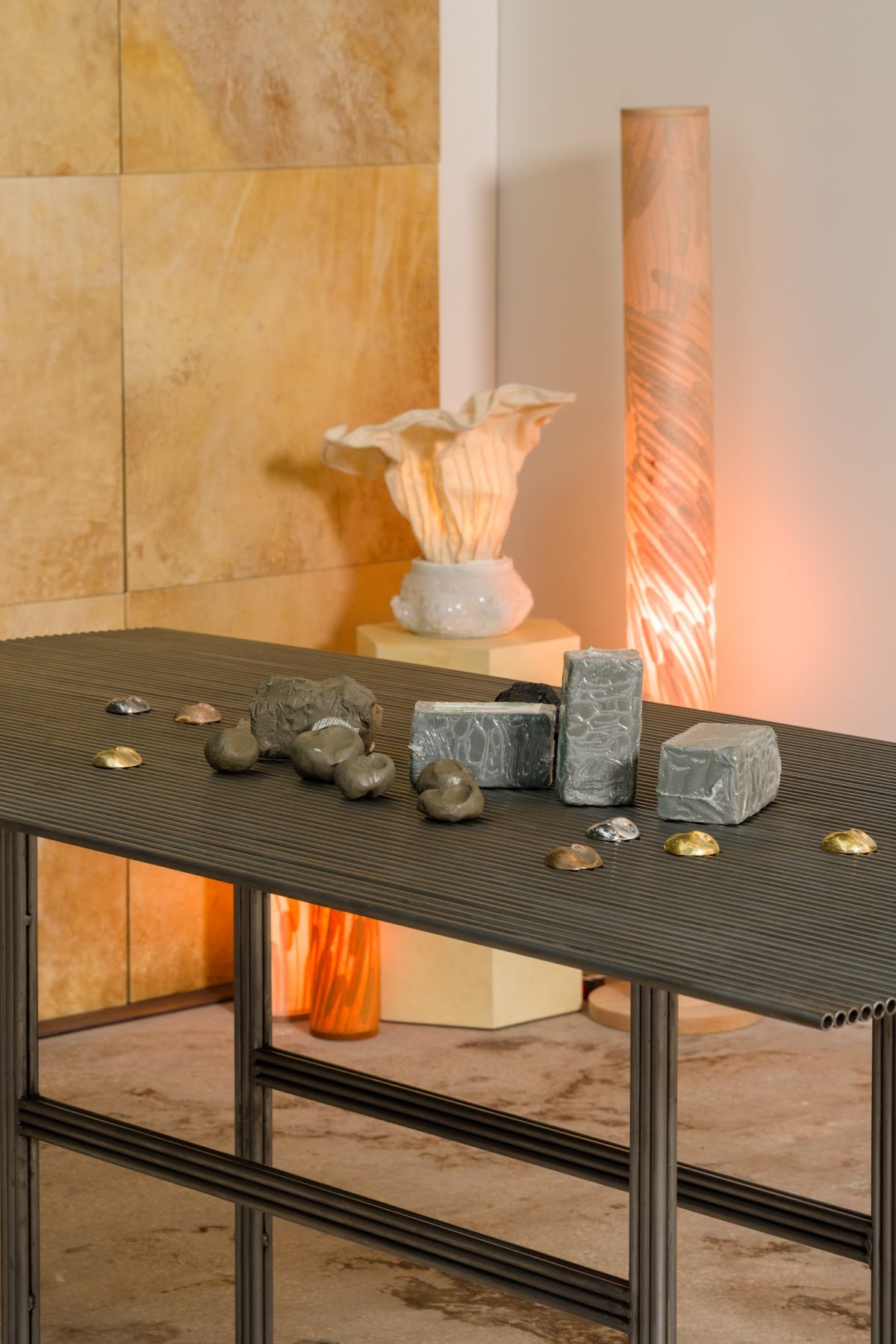
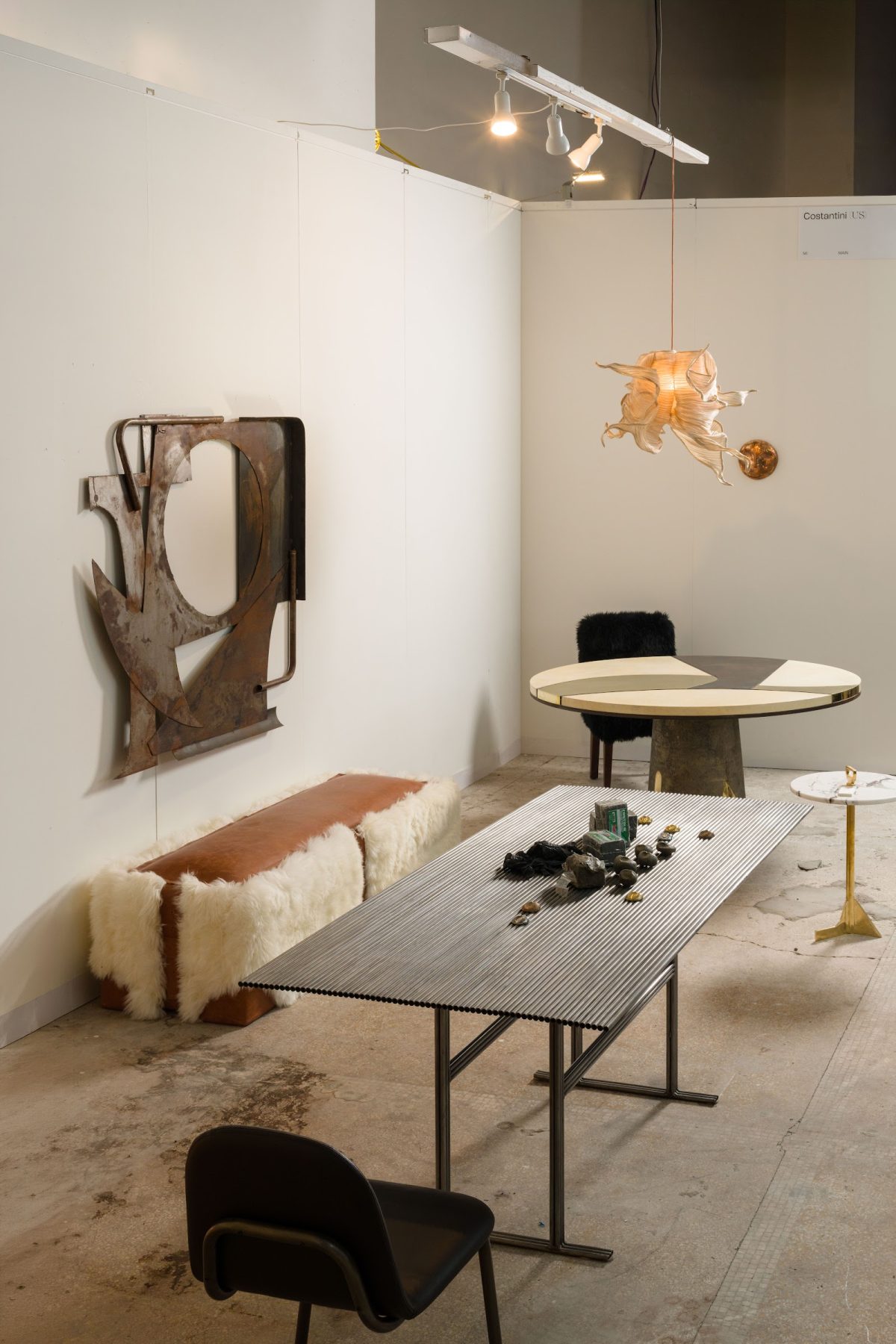
Of the Cloth brought Brianna Love‘s Annie comb chair series, inspired by her grandmother, with textiles by Shradha Kochhar. Freaks, from Hudson, hung glass and silk pendants, made with antique pleat molds, that recall 19th-century service bells. Costantini, nearing its 25th anniversary, staged re/iterate with live clay sessions led by founder William C. Stuart. The studio invited visitors to sculpt forms for the next edition of its Constantin series and planned to cast its favorites in bronze.
Made to Order
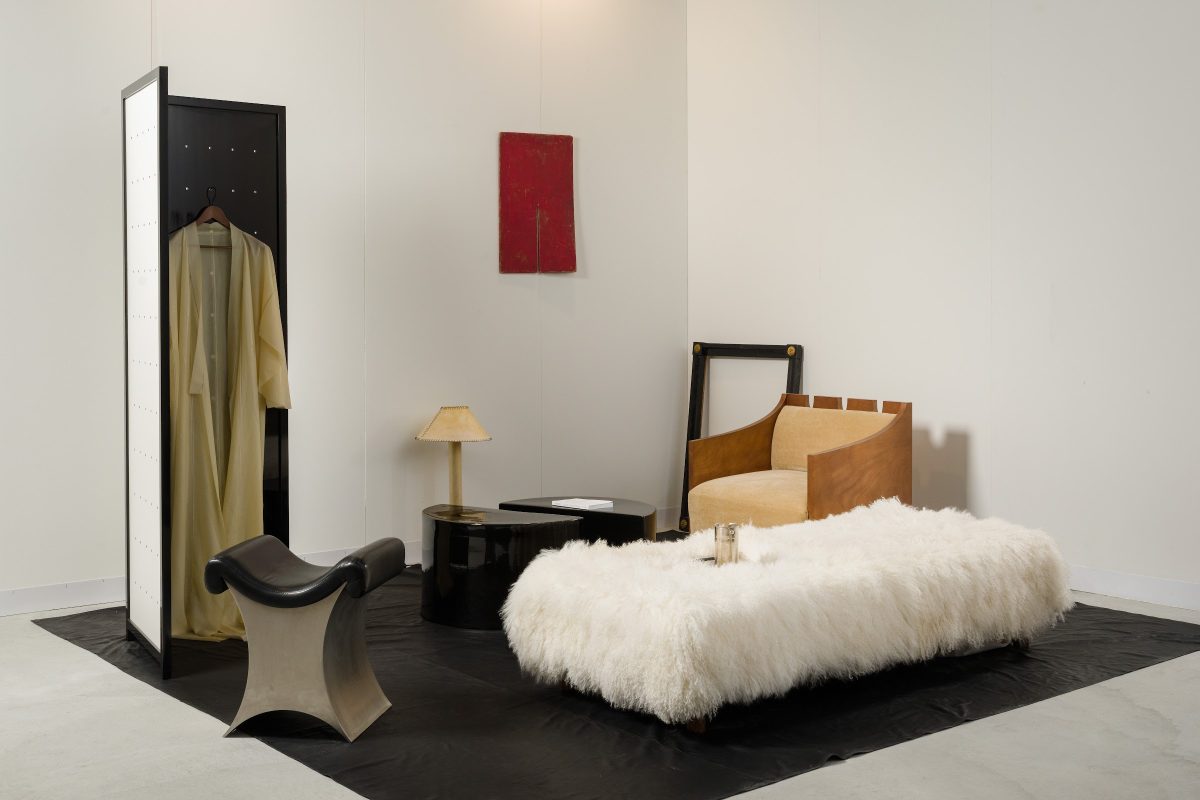
In Bespoke, Katja Pargger showed furniture, lighting and objects from ITEMS, a series that grew out of her architecture practice. Streicher Goods and Jesse Shaw paired handmade furniture with a sculptural mirror and large ceramic vessels. Ian Love brought new work in stack-laminated wood, Studio Tôduy inlaid a dark wood cabinet, side table and mirror with Vietnamese mother-of-pearl, and Tennant New York showed Oceania Mania, a family of handmade fixtures inspired by the South Seas.
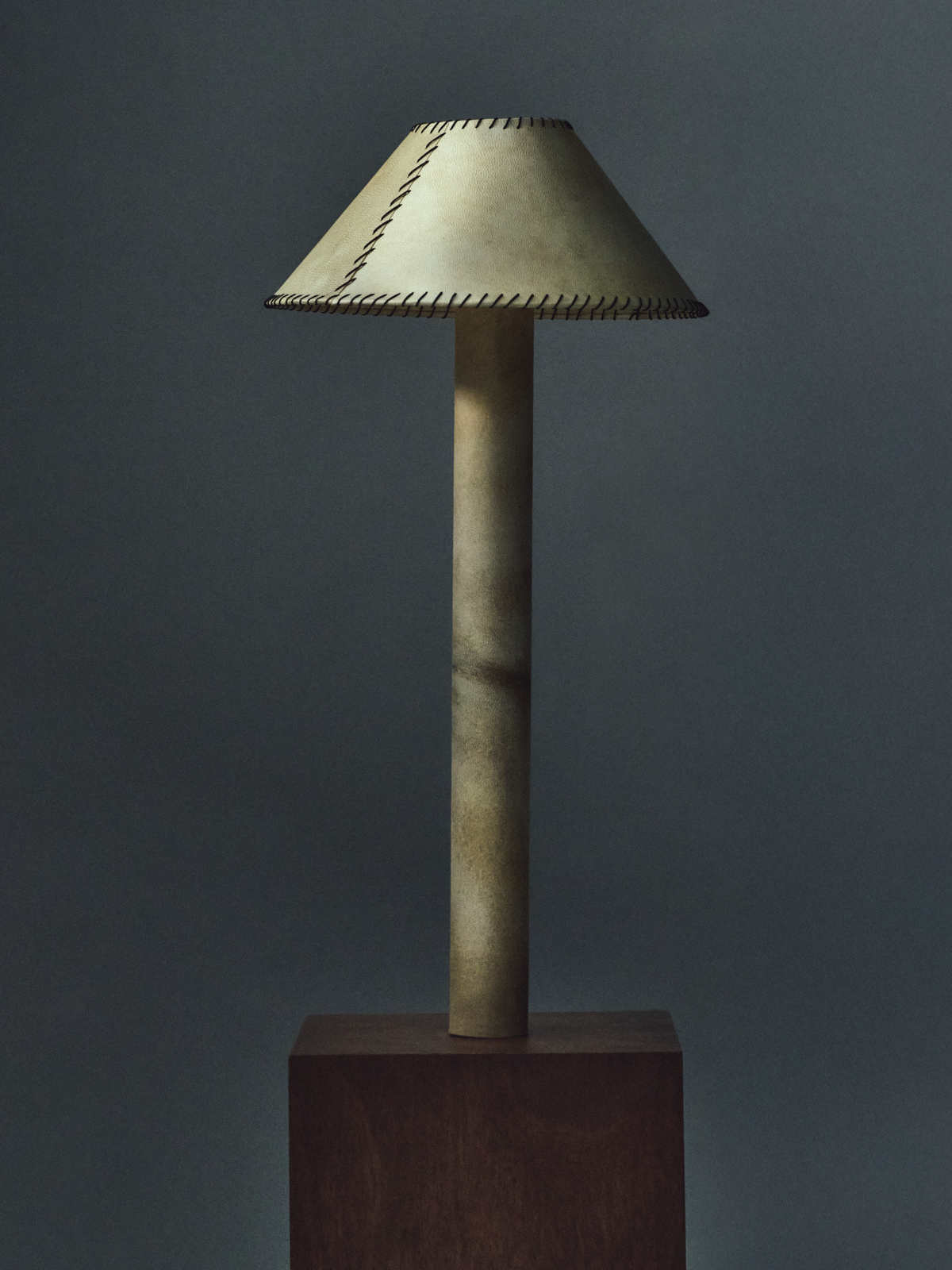
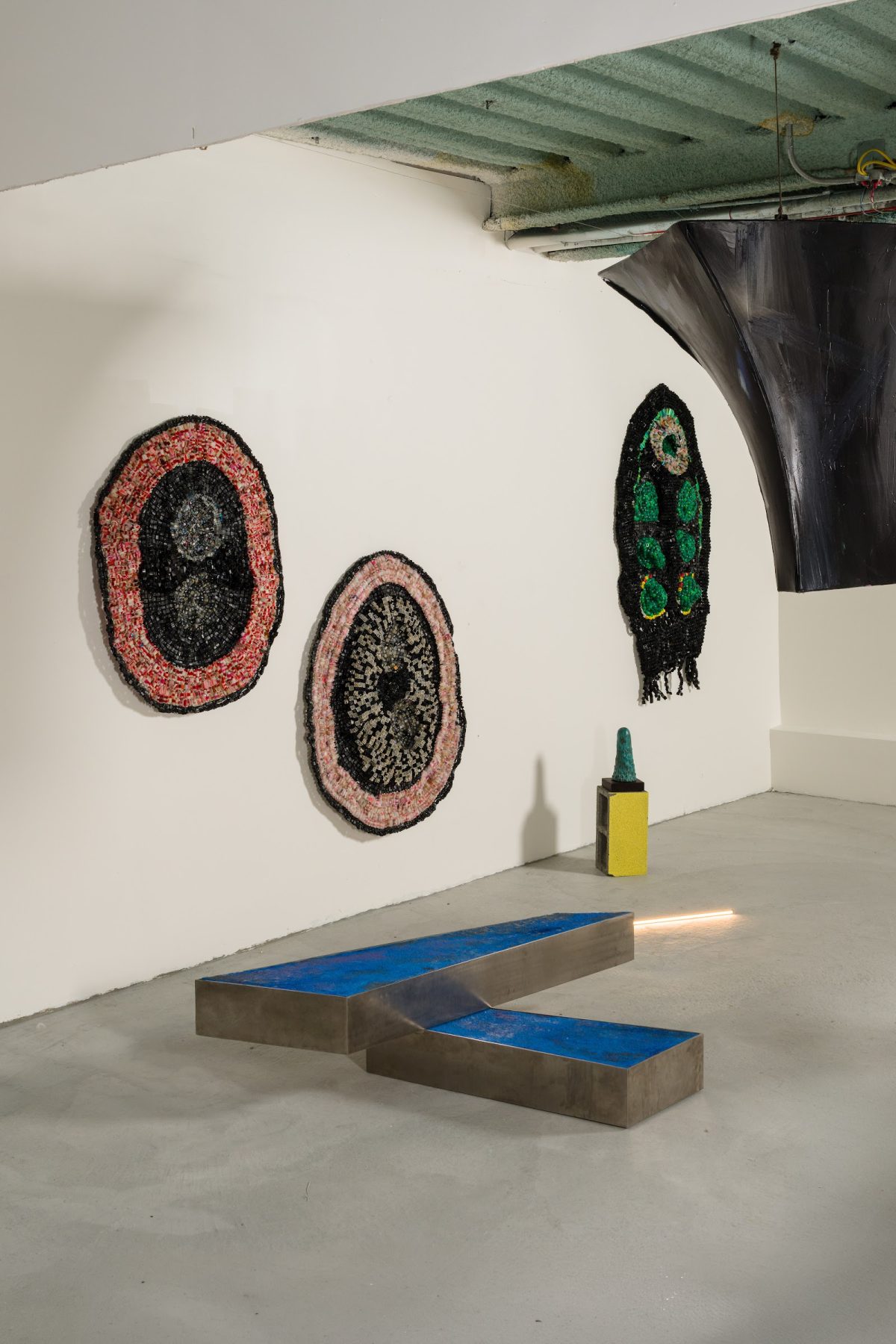
Architect Crina Arghirescu Rogard’s booth with AÉ02 looked at Romanian creativity, setting her own sculptural pieces beside work by Alexandra Mocanu and Aurel Cucu.
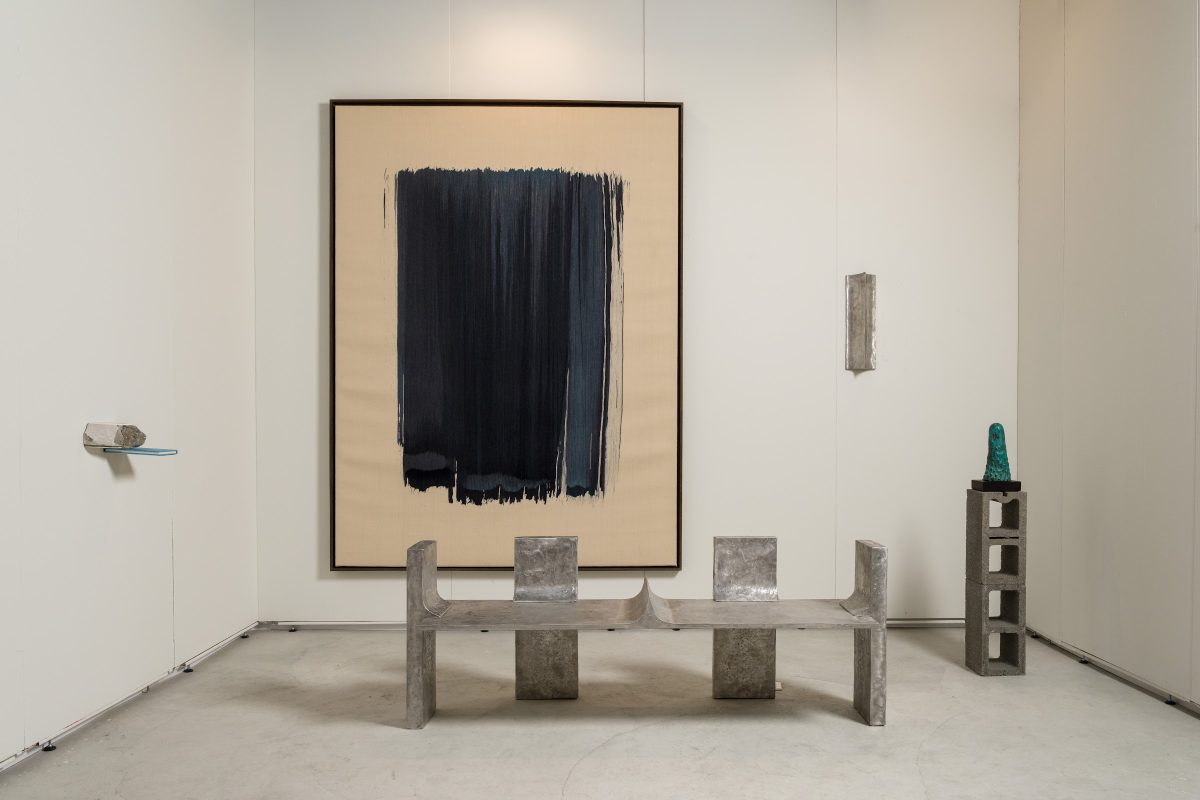
New Garde and Special Projects
New Garde included ProRetro, Régime, Room-File, and Salon 21.
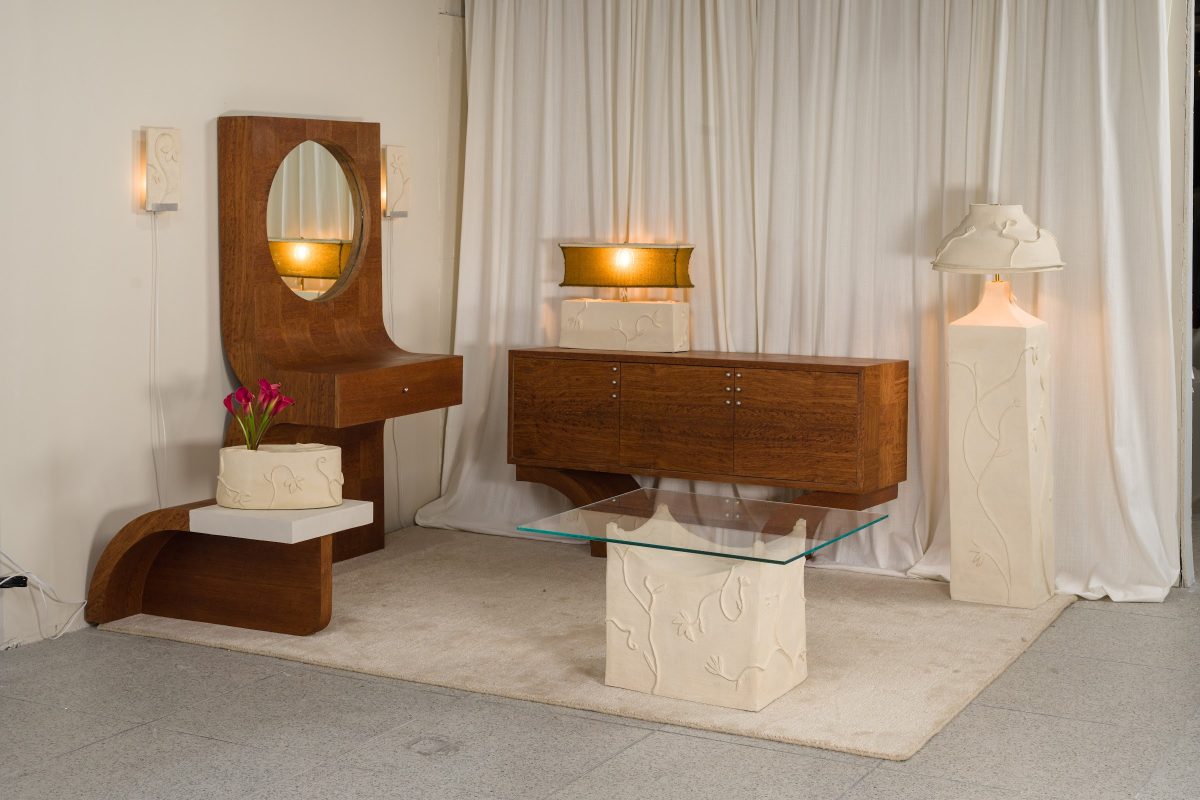
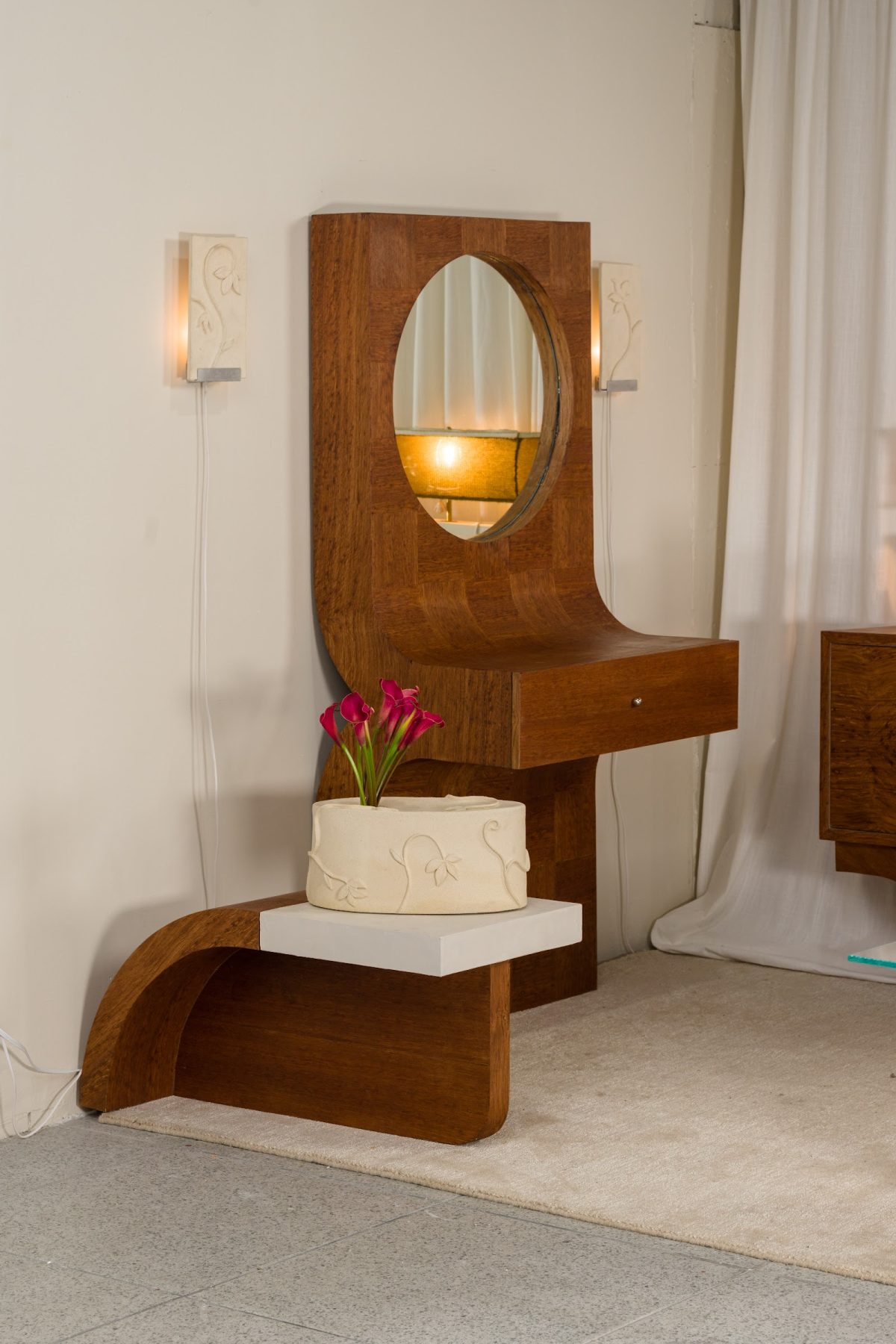
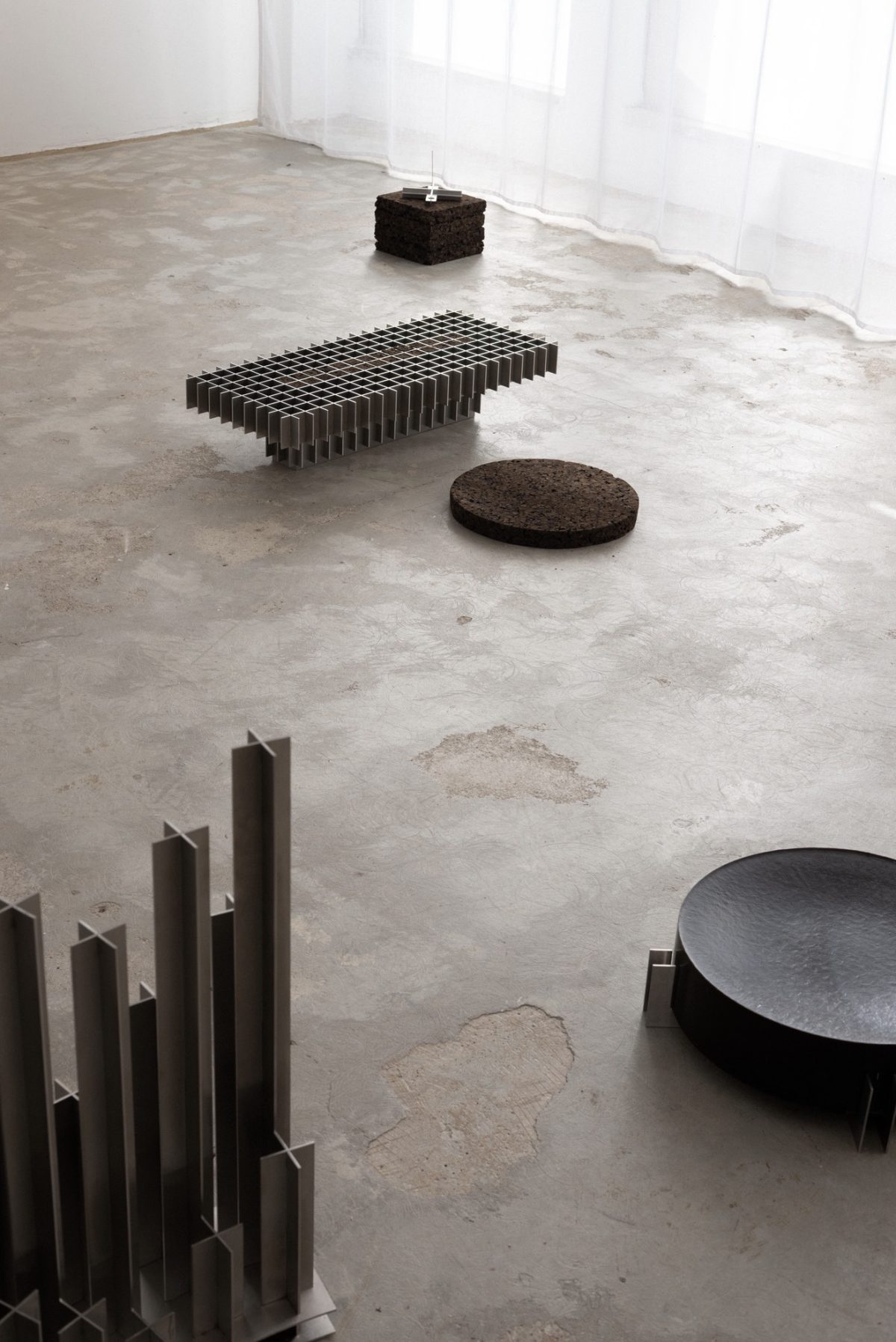
Yabu Pushelberg, USM, and Ensemble collaborated on one of the fair’s special projects, with Ensemble’s selection drawn from Canada’s independent design scene.
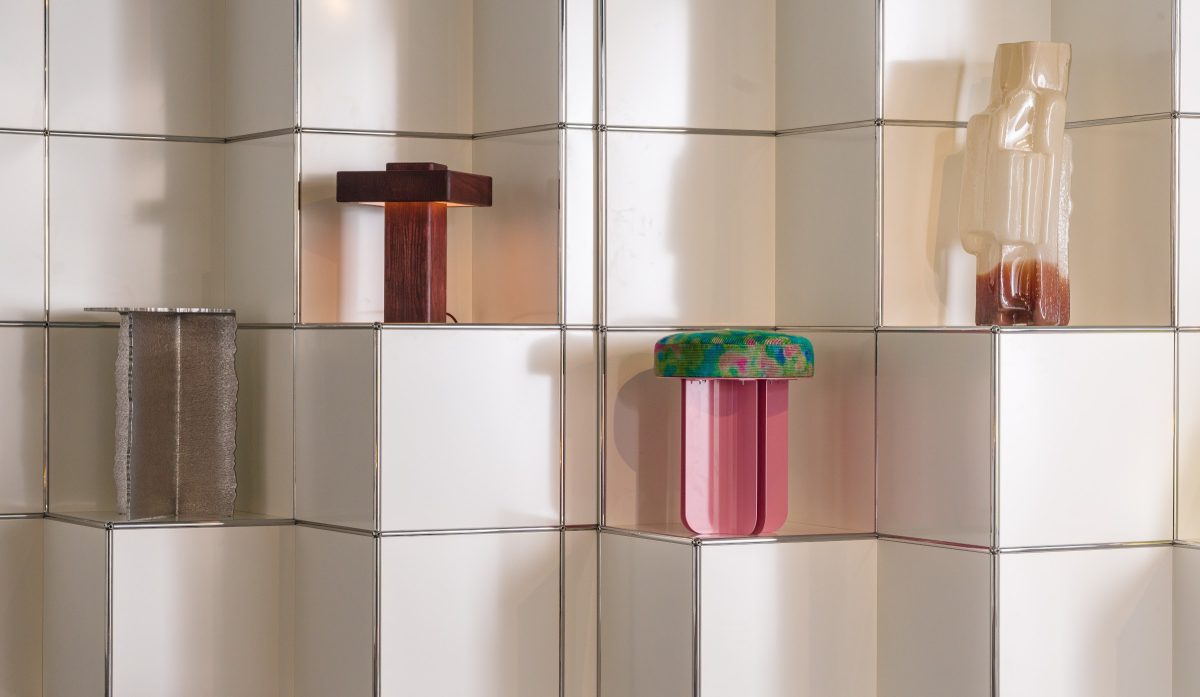
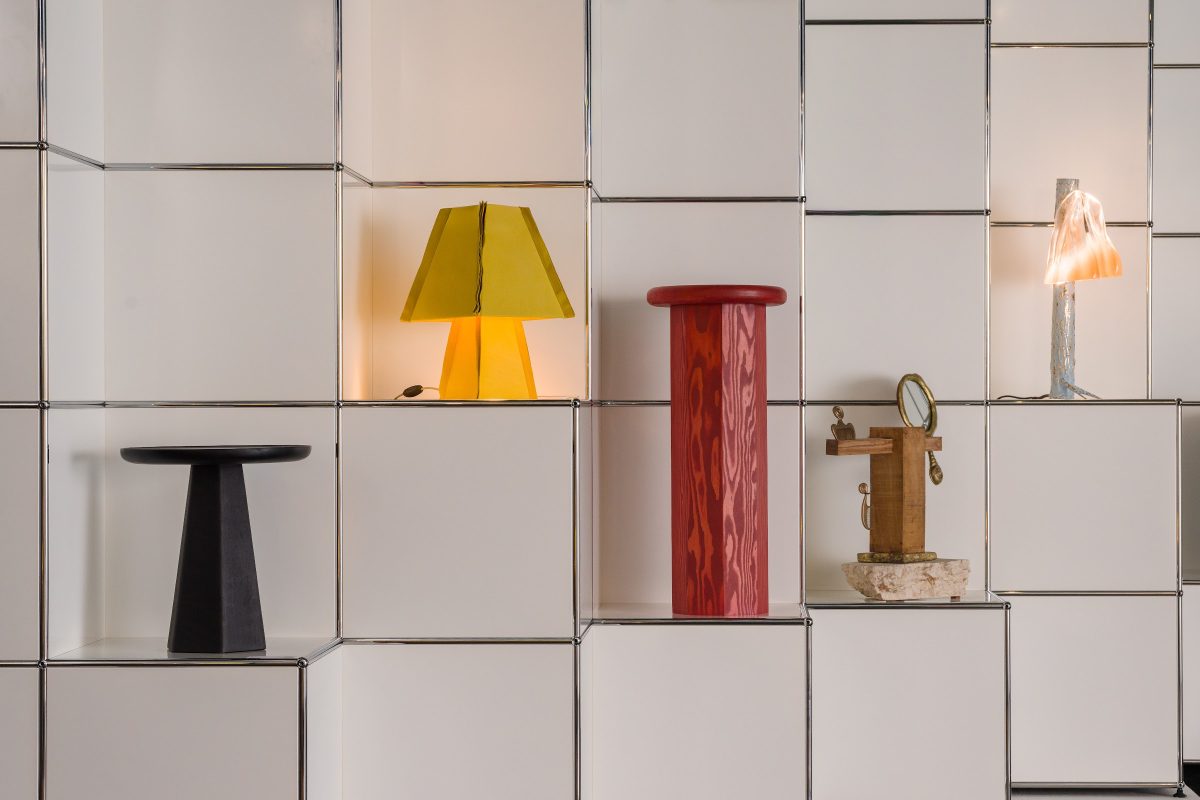
Silence Please, the audio studio, ran sound across the fair, and talks ran at 2PM and 4PM Friday through Sunday.