Robert Redford built the Tree Room restaurant in 1970. It was the first structure he put up after purchasing thousands of acres of Utah’s Wasatch Back, land he’d first encountered as a young actor riding a motorcycle through Provo Canyon in the early 1960s. The story goes that he couldn’t bring himself to cut down a pine tree standing on the building site, so he built the restaurant around it. The trunk still rises through the center of the dining room surrounded by his personal collection of Native American art, kachina dolls, handwoven rugs, and baskets.
I found myself sitting in that very room last month, about 45 minutes south of Park City, watching a woman who spent four and a half years designing materials for Bugatti hypercars describe a purple sky. Her name is Swati Dhanda, and she heads up Bespoke Materiality for Range Rover. She is standing in Redford’s dining room presenting a car that was born from the same instinct that saved that tree: you start with what’s already there, the landscape, the light, the feeling of a place, and you design with it.
-
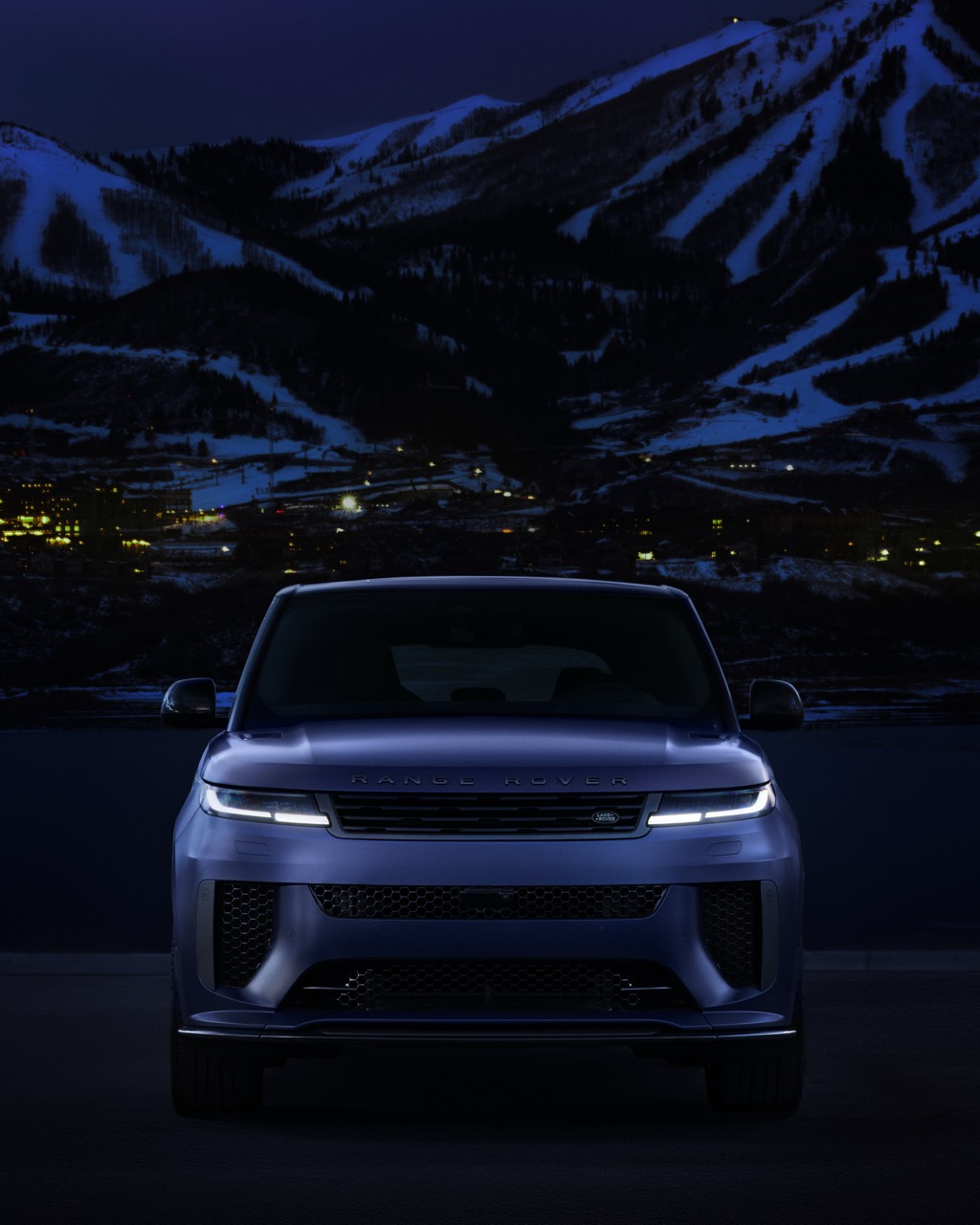
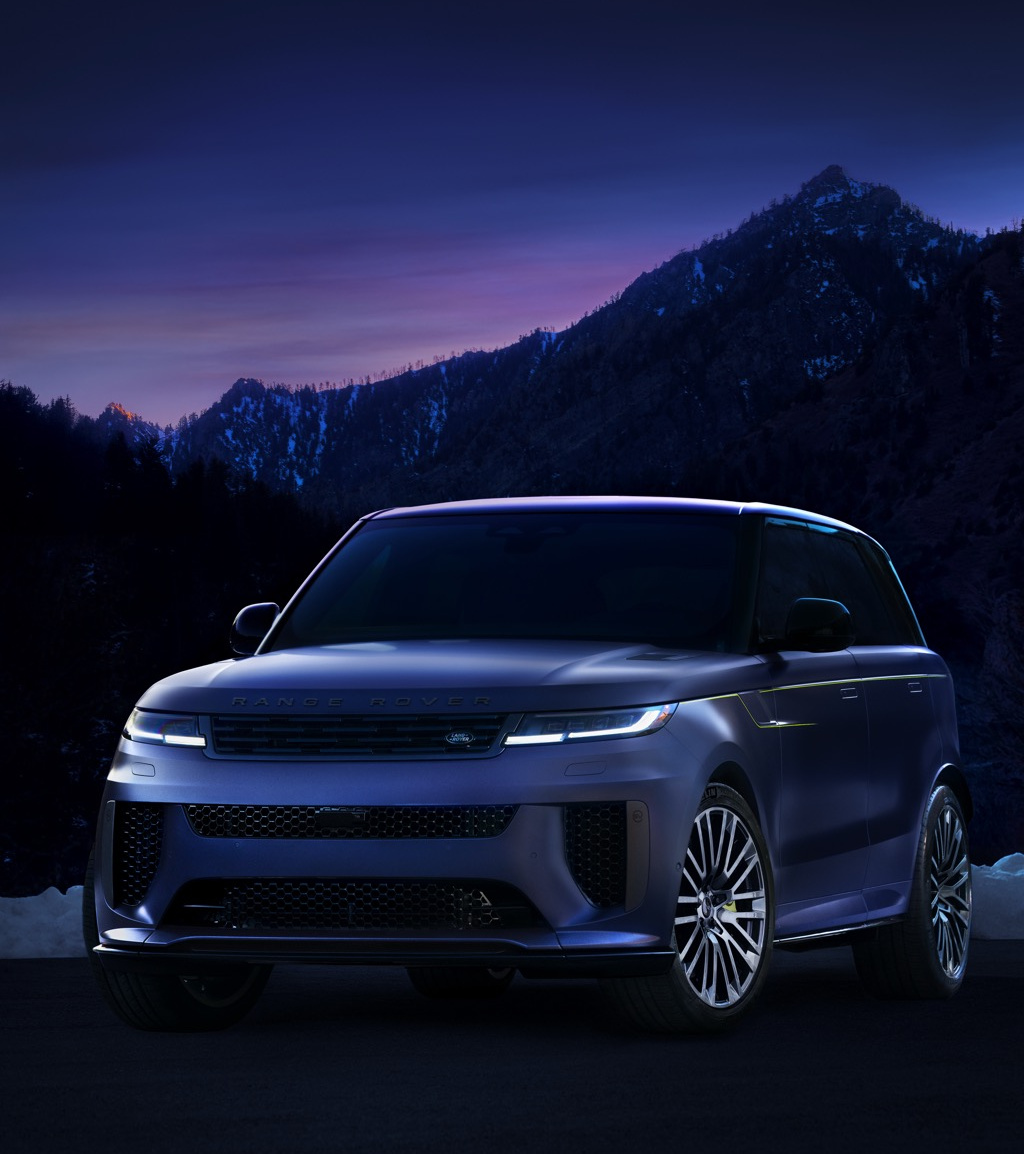
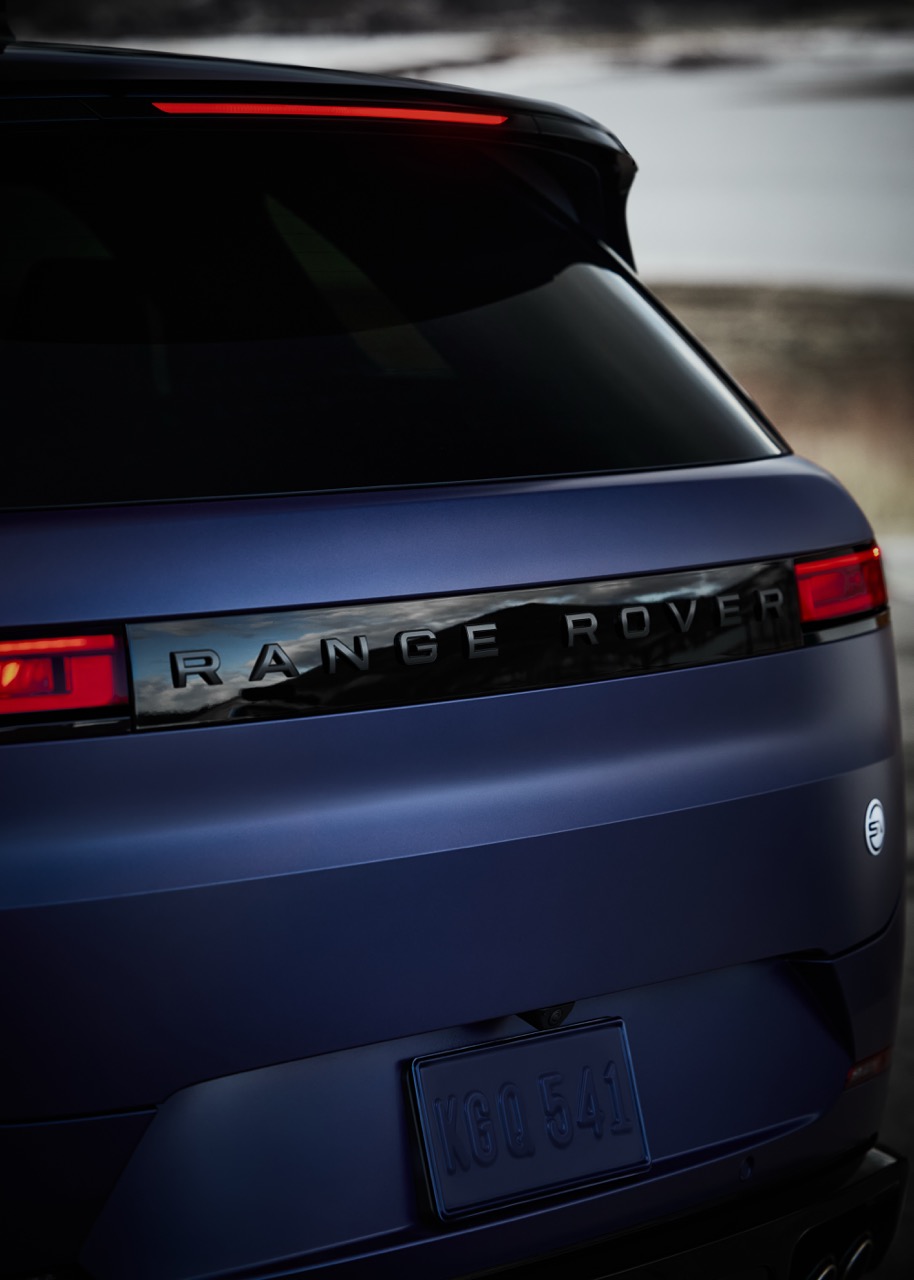
- Range Rover Sport SV Winter Dusk’s exterior is a bespoke Indigo Blue satin finish. It’s dark, saturated, moody, and paired with a Narvik Black roof, mirror caps, and a Graphite Atlas finish pack.
-
- Photos courtesy of Range Rover
The car is a bespoke Range Rover Sport SV Winter Dusk. There are only three of them. Each retails for $240,000, with a portion of every sale going to SOS Outreach, a Park City nonprofit founded in 1993 that uses a local asset (fantastic skiing and snowboarding) as the backbone of a multi-year mentorship program for underserved youth. The way Swati introduced it was surprisingly cinematic. She didn’t start with speed specs or technology. Instead she started with a scene: imagine you’ve driving your Sport SV through the mountains surrounding Park City. The snow is still heavy on the upper slopes and the air is cold and sharp. Just as the sun drops behind a ridgeline, the sky turns a deep, shifting purple and for a single instant, there’s a flash of sharp yellow light from the last sliver of sun. That’s winter dusk. That’s the car.
Her introduction gave me chills. I could feel the exact moment she described. Her job was to translate that into the vehicle.
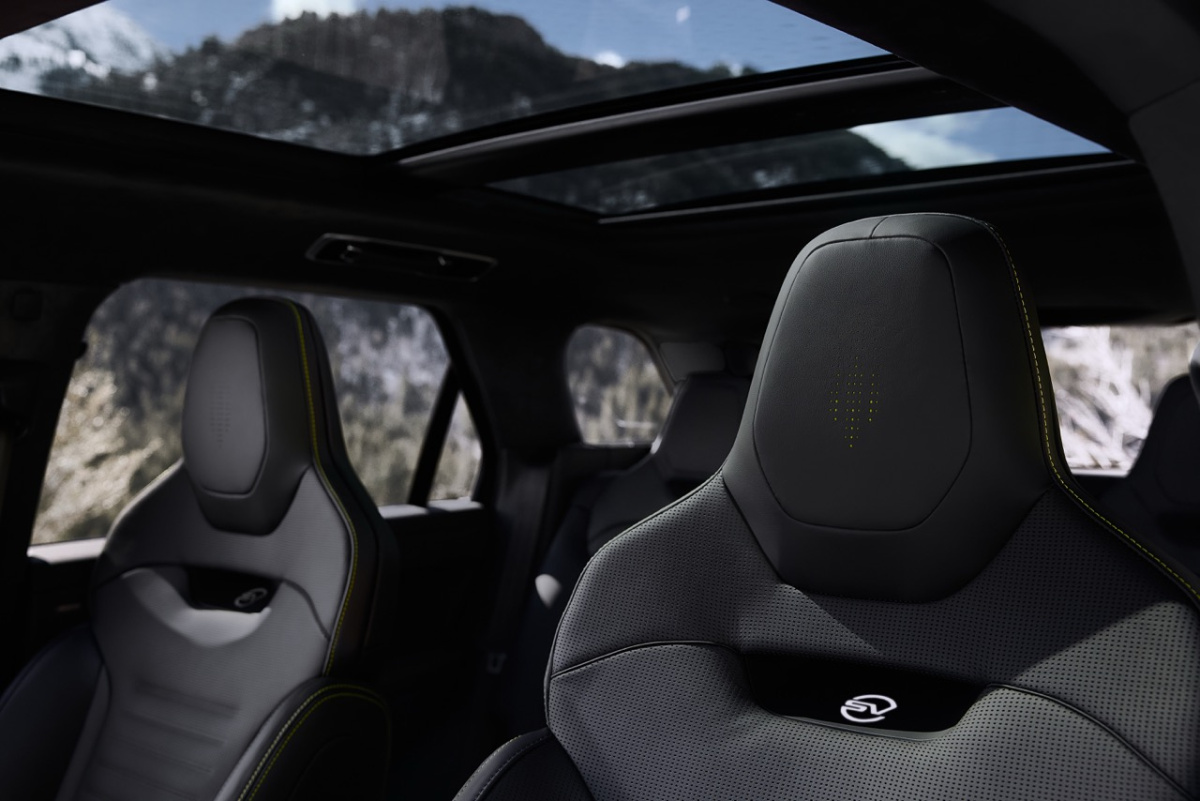
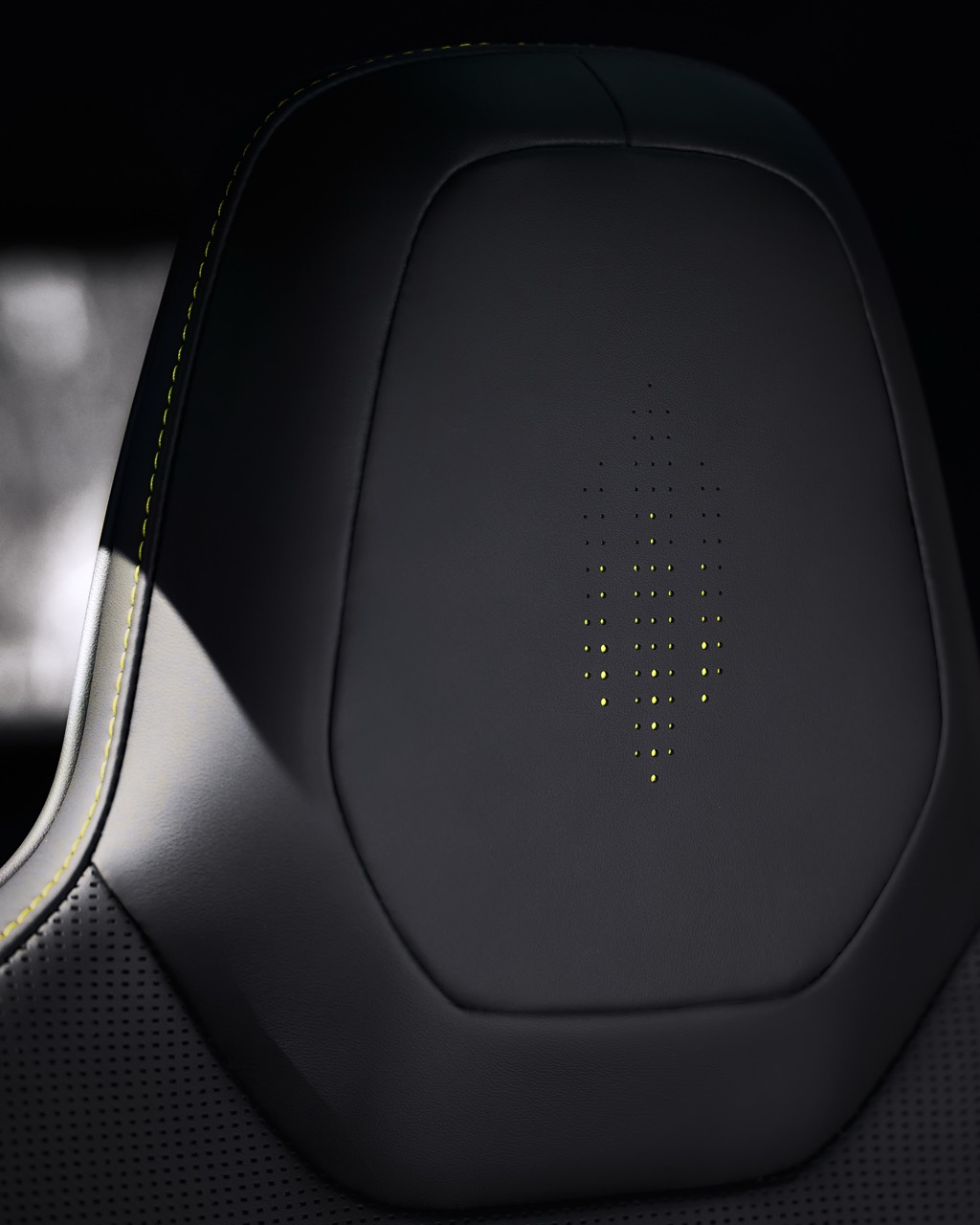
The car’s interior is stitched against Ebony leather, with details on the headrests, cupholder topper, and treadplates. Photo courtesy of Range Rover
The exterior is a bespoke Indigo Blue satin finish. It’s dark, saturated, moody, and paired with a Narvik Black roof, mirror caps, and a Graphite Atlas finish pack. Nano Yellow accents appear on the carbon ceramic brake calipers and thread through the interior as contrast stitching against Ebony leather, with details on the headrests, cupholder topper, and treadplates. Natural Black Birch finishers and lightweight carpeting round out the cabin. It sits on 23-inch Thunderball polished wheels in dark grey lacquer. Each car comes with custom Bomber skis, bindings, and a matching ski bag. The whole composition translates exactly that moment, the mountain going indigo, the last light catching an edge.
It would be easy to write this off as a color package. But that would miss the point entirely, and it would miss what makes Swati interesting.
She is relatively new to Range Rover, but she is not remotely new to this world. She holds a master’s in Transportation Design from Institut Supérieur du Design in Pune and spent nearly a decade moving through the upper atmosphere of automotive materiality, with stints at Alstom and Adient before landing at Bugatti-Rimac, where she led the materiality team and strategy for two very different hypercars. At Rimac, she worked on the Nevera, the fastest electric hypercar ever built. At Bugatti, she shaped the material vision for the Mistral and the Tourbillon, cars with essentially zero price sensitivity, vehicles that routinely cost multiple millions of dollars. The woman knows what extreme luxury feels like in your hands.
-
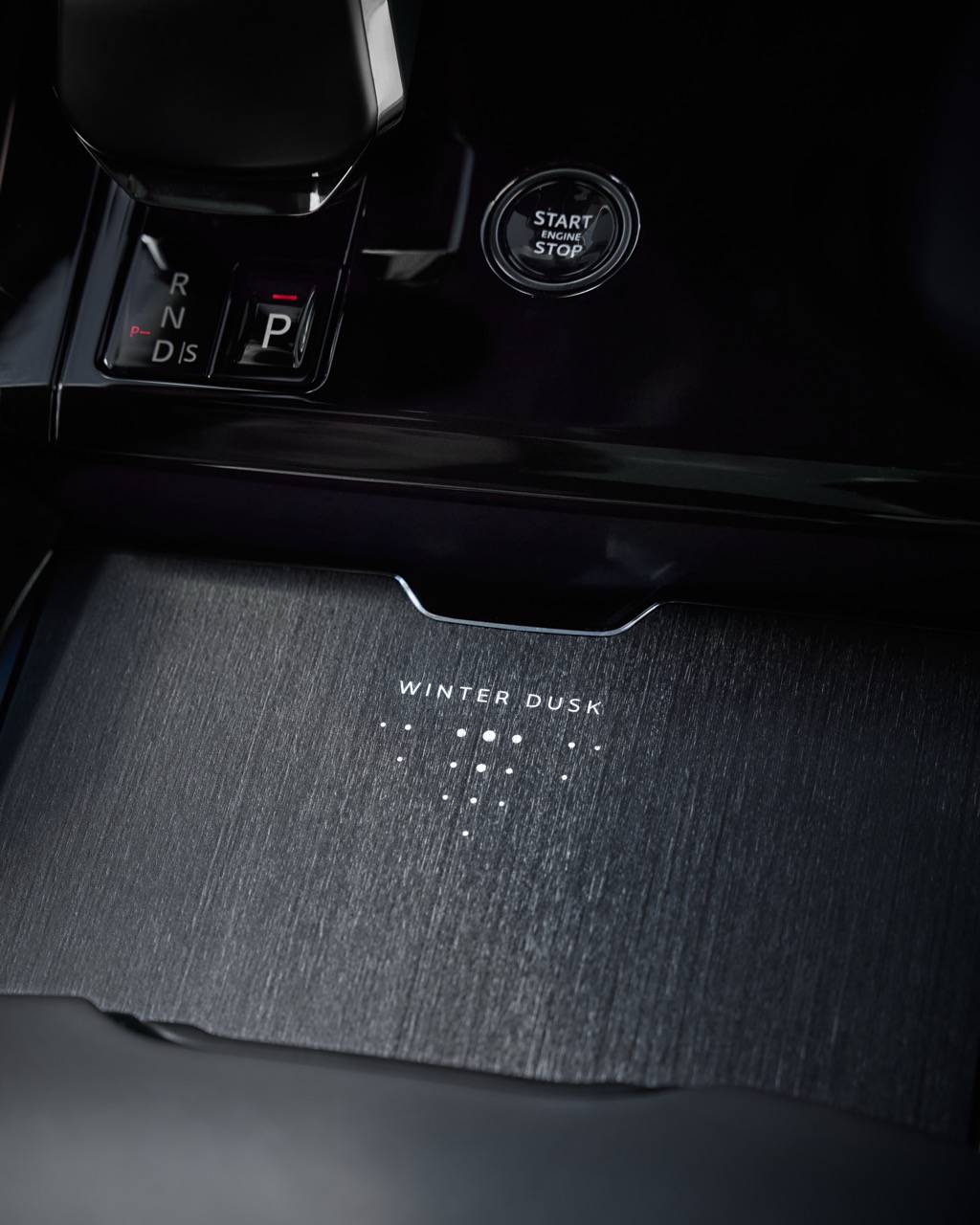
- Natural Black Birch finishers and lightweight carpeting round out the cabin.
-
- Photos courtesy of Range Rover
And yet, what struck me most about her approach at Range Rover was its restraint. At Bugatti, you can throw virtually any material at any surface and the client will write the check. That’s not the game here. Swati described a process rooted not in excess but in specificity: understanding who the Range Rover client actually is, how they live, what resonates with them emotionally, and then working backward from that understanding into material choices that feel inevitable rather than indulgent. The satin exterior doesn’t reflect light the way a gloss would. It absorbs the landscape and darkens with the sky. The yellow isn’t bright or playful; it’s the particular flash of a sun you’re about to lose. Every decision reinforces the narrative.
It’s worth noting that this was one of Swati’s first major projects since joining the brand, and one of her very few trips to the United States. Park City was as new to her as it was vivid, which may explain why the car reads with the kind of specificity that only comes from encountering a place for the first time with fresh eyes. That’s a design advantage most people wouldn’t think to leverage.
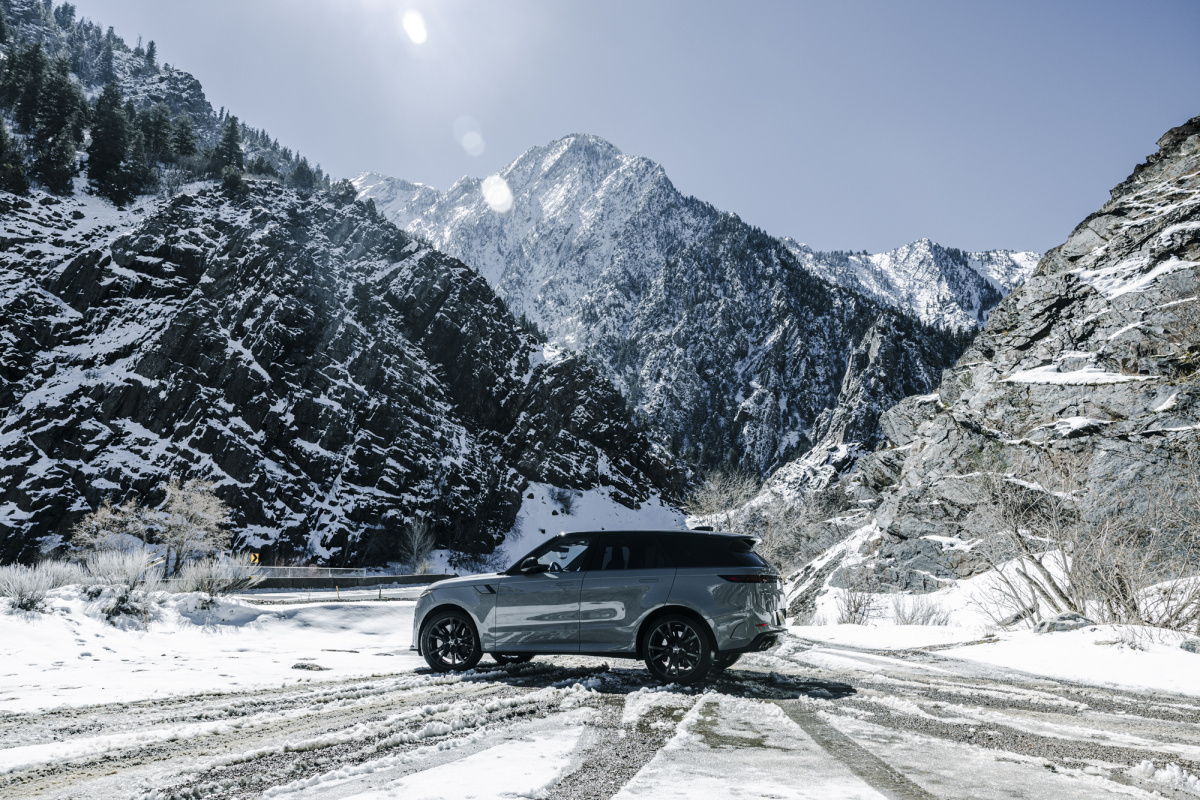
Exploring Park City in a Range Rover Sport SV. Photo by Chris Force
The broader context for all of this is Range Rover House, the brand’s invitation-only alpine pop-up that ran 10 days on Park City’s Main Street in early March. Range Rover has been running these houses globally since 2022, from Sydney to Abu Dhabi to St. Tropez. The Park City edition featured après ski gatherings, acoustic sets, guided oxygen therapy sessions for altitude recovery, and a tea blending experience led by a local master. But the real anchor was a full bespoke design studio where guests could explore embroidery techniques, color and material finishes, leather treatments, the granular decisions that separate a factory-spec SUV from something personal. Range Rover wasn’t just showing you what they build, they were showing you how they think.
-
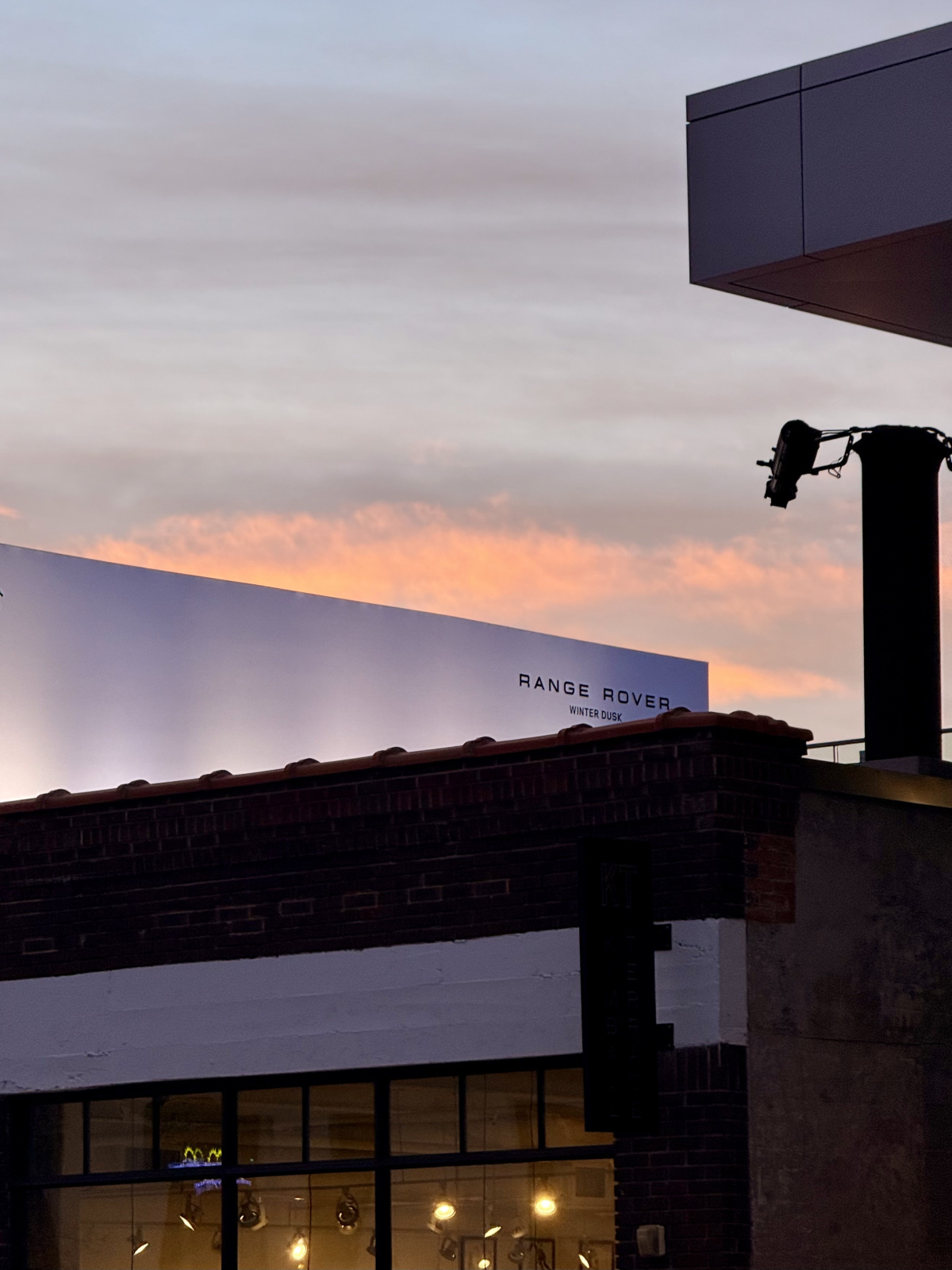
- Range Rover House. Photo by Chris Force
-
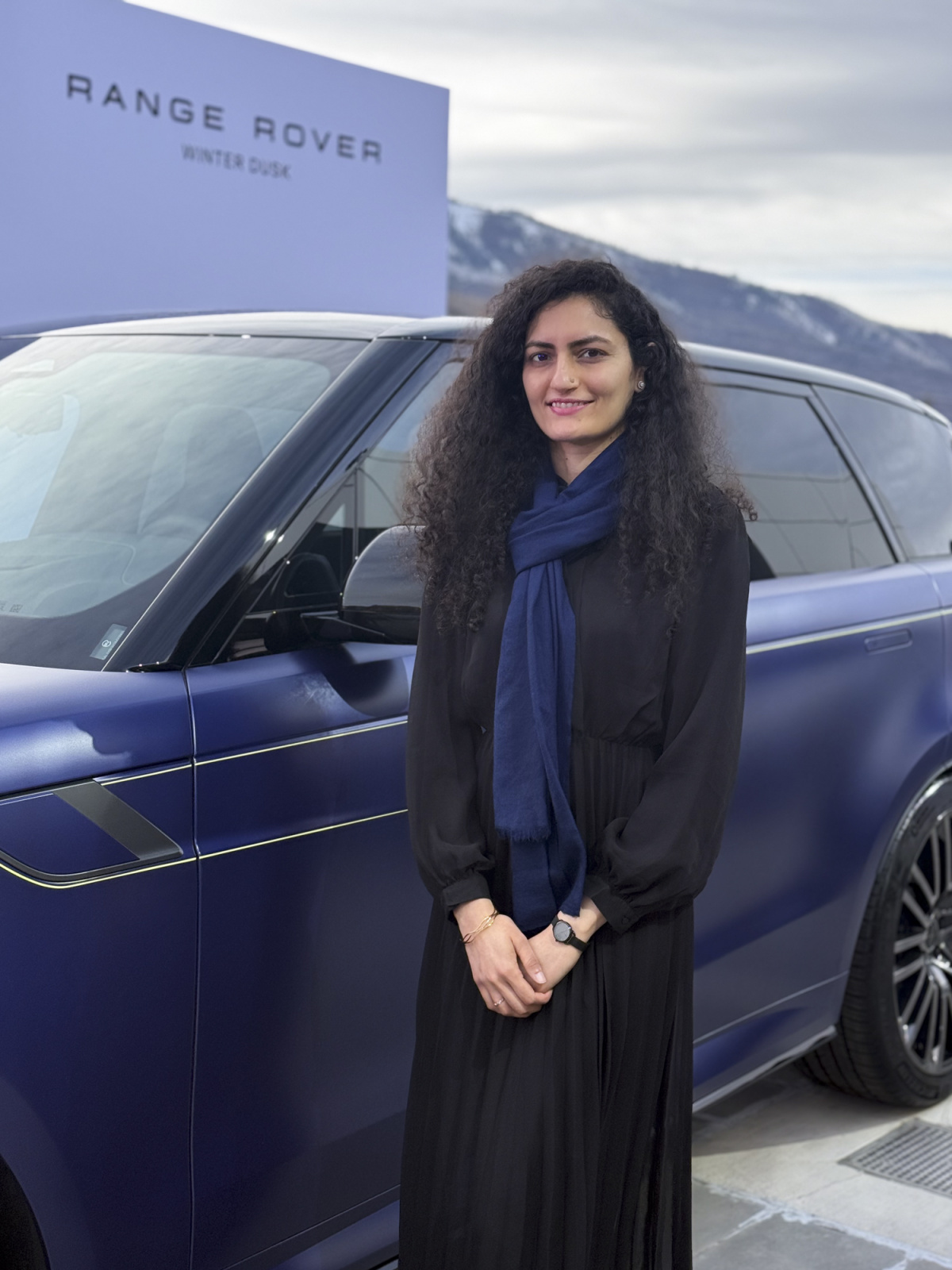
- Swati Dhanda heads up Bespoke Materiality for Range Rover. Photo by Chris Force
Back on the road between Sundance and Park City, the Sport SV reminded me that Range Rover’s design ambitions are backed by serious engineering. The 4.4-liter twin-turbo V8 produces 626 horsepower and pushes this thing to 60 mph in 3.6 seconds, with a top speed of 180 mph. The 6D suspension technology makes a vehicle of this size feel planted and responsive in a way that surprises you on mountain switchbacks. I had the Body and Soul Seats on, music up, the Wasatch scrolling past the windows, and for a long stretch of highway I forgot I was in a press vehicle at all. It just felt like mine. This car rips, but it never screams at you about it. It just goes.
In an industry that defaults to bigger screens, louder specs, and more of everything, Range Rover is doing something quieter and harder: designing from the outside in, starting with the life their customer already lives and building the car around it.