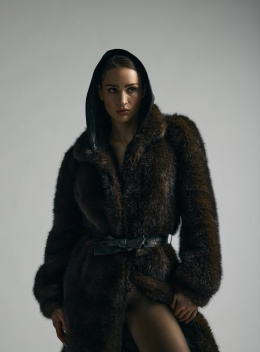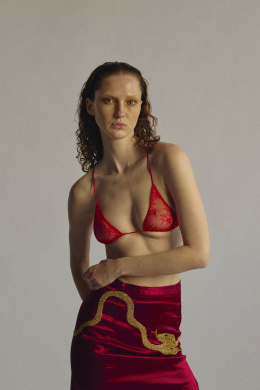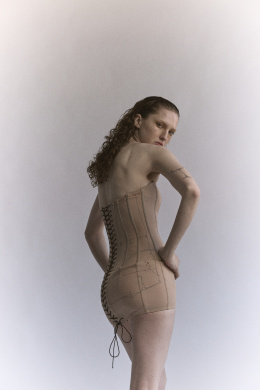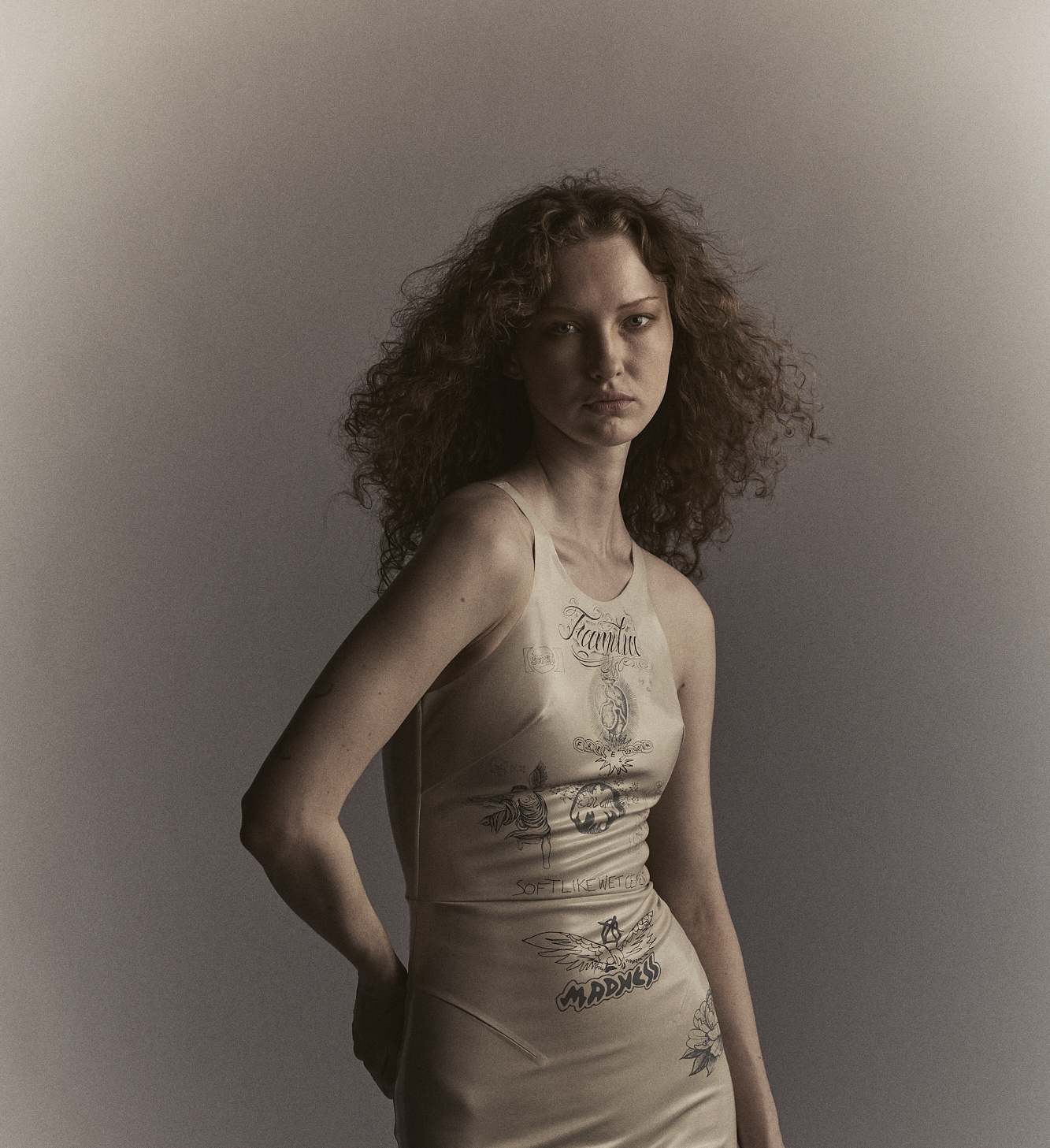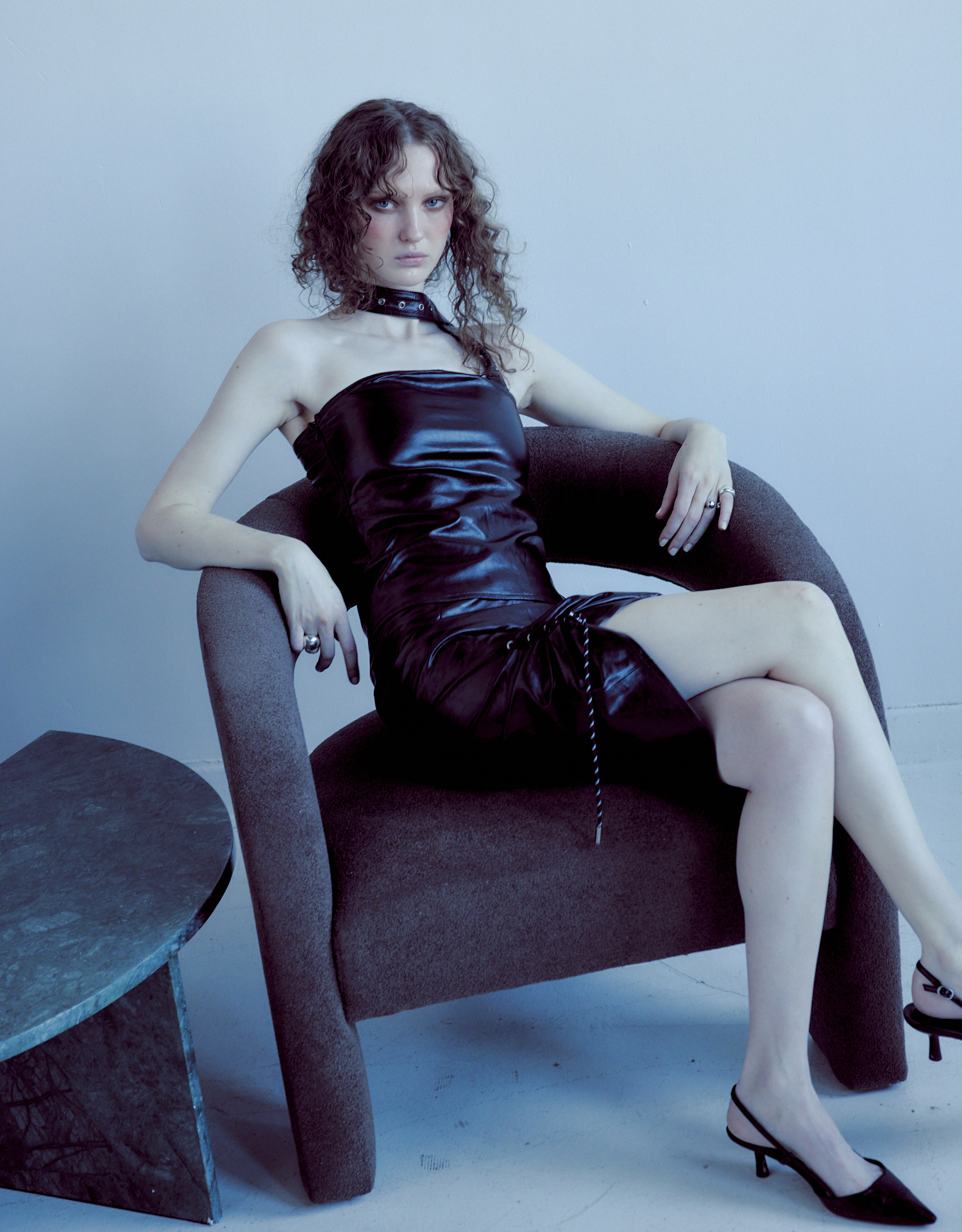
FANG NYC is a gender-expansive knitwear label based in New York, founded in 2021 by Fang Guo. The pieces are bodycon, fully fashioned, and constructed with asymmetrical silhouettes and adorned with custom carabiners replacing belt loops on jeans, paracord closures, and a material language that toggles between soft knit and hard leather, sheer lace and denim. The clothes sit in a fluid space between masculine and feminine.
Fang grew up in Beijing, raised by a single mom who was, by his own cheerful admission, a “shopaholic.” In 1990s China factories producing for Calvin Klein, Escada, and other Western brands would offload overstock and slightly imperfect pieces into unofficial bazaars where you could buy them for a fraction of retail. Their weekends together were essentially fashion school. “My mom would take me to these markets and shops,” he says. “She would come out of the fitting room and ask my opinion about how she looked in those clothes. That really was a hardcore training in terms of fashion and aesthetics.” He was drawing his own manga stories as a kid, self-taught, heavily informed by the exaggerated femininity of Sailor Moon and the visual extremes of Japanese anime. The upside-down triangular faces, the giant eyes—it was, without him knowing it yet, an early education in how line and silhouette can communicate gender as a spectrum rather than a binary.
-
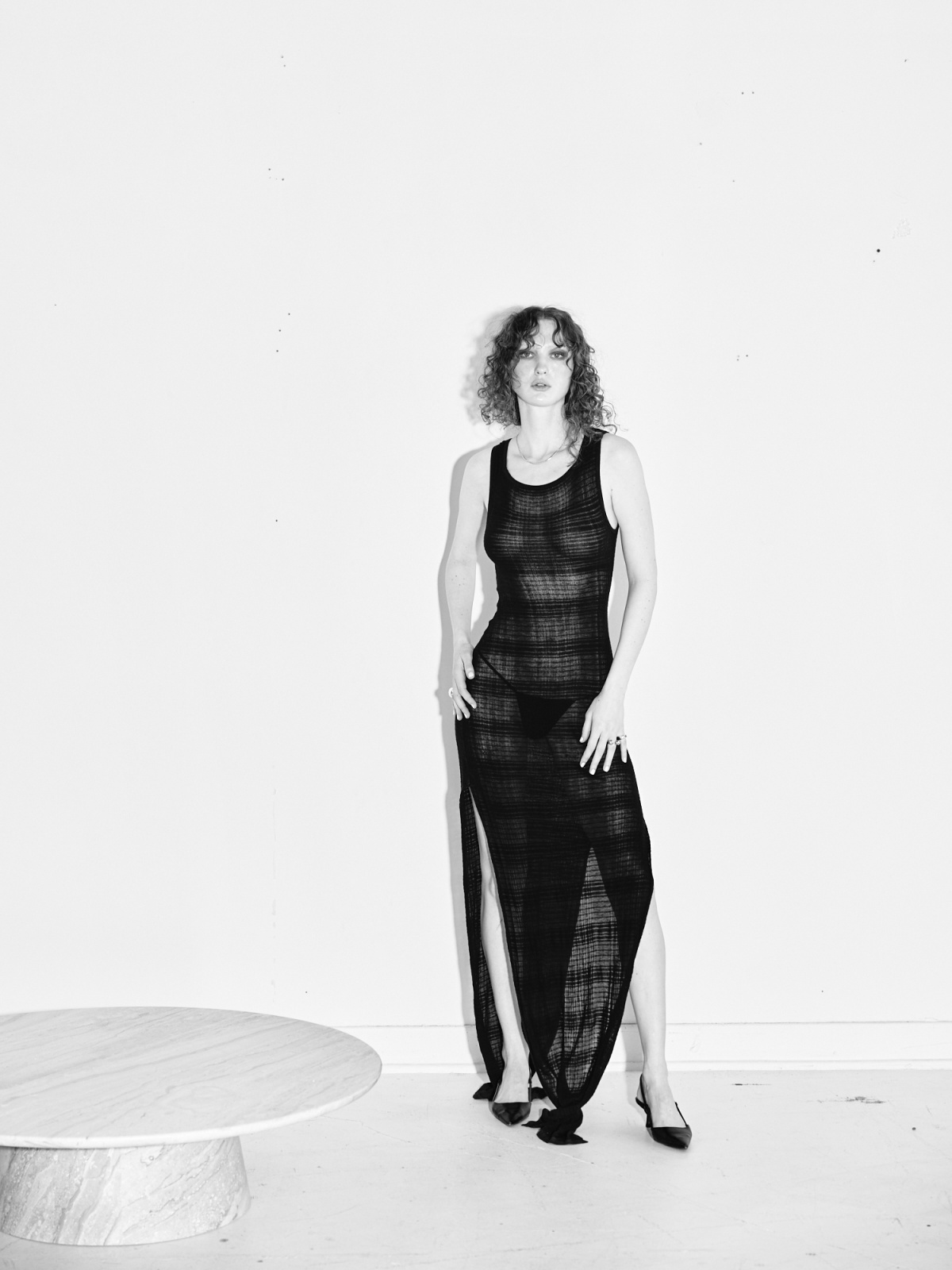
- Hemming coffee table by ARHAUS
-
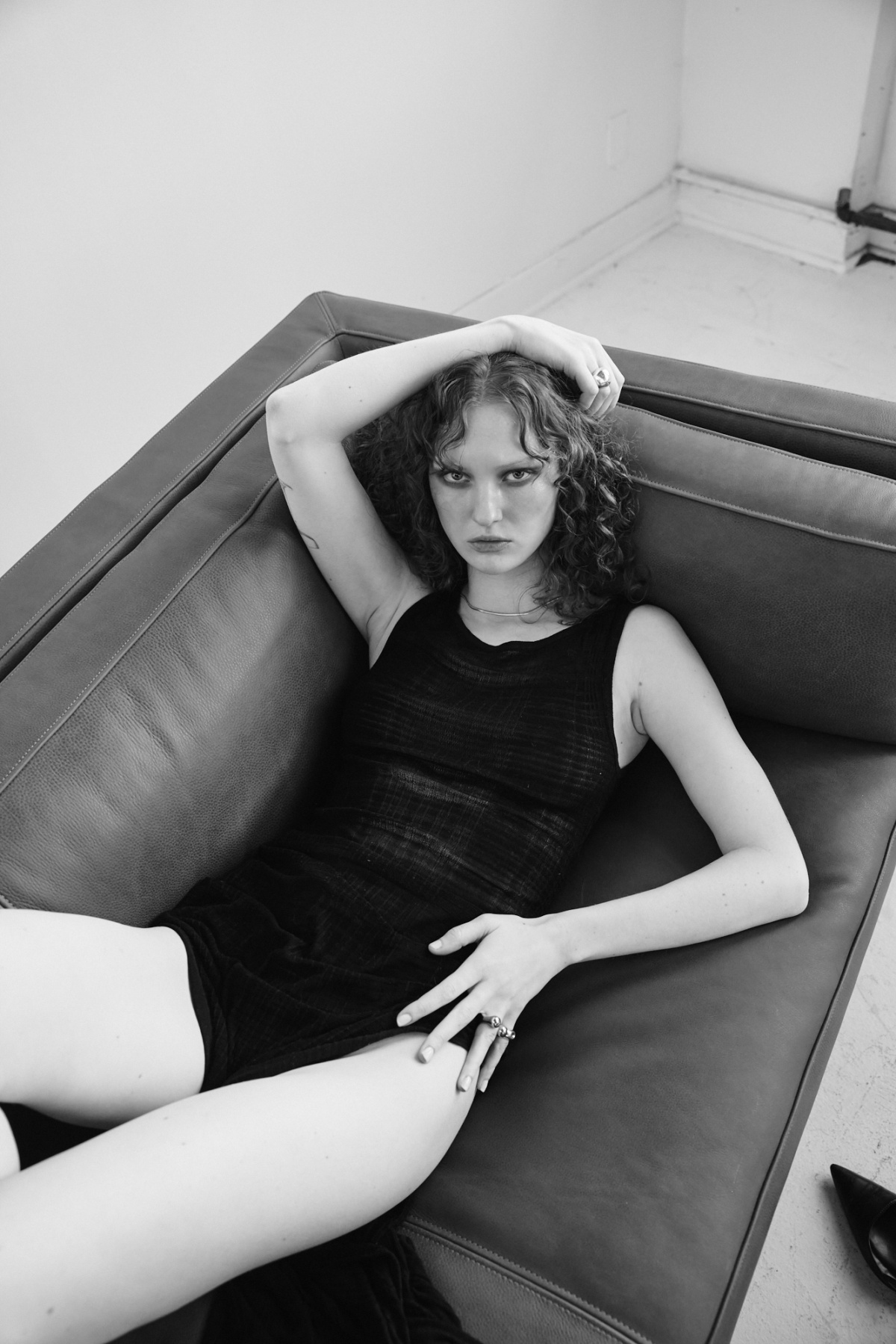
- Malta sofa by ARHAUS
He studied fashion at the Academy of Art University in San Francisco, arriving in 2008, right into the boho-chic era of Rachel Zoe, Nicole Richie, and Lindsay Lohan. “I was so obsessed with Lindsay Lohan,” he says, laughing. “That skinny jean with a sort of urban outfit.” It was also the moment Hedi Slimane was launching his skinny silhouettes at Dior Homme, and Fang noticed something: the shapes that excited him in menswear were the same shapes he was drawn to in women’s fashion. The skinny jean, the fitted top, and the silhouettes that acknowledged the body underneath. San Francisco was also where he started crossing into the women’s department, a move he describes with the casual bravery of someone who’s had to negotiate identity in real time. “We all know the men’s department is just so bleak,” he says. “There’s nothing. But then there’s so much more in the women’s department in terms of fabrication, silhouettes, and colors.”
He moved to New York in 2013 and worked in PR for fashion, fine art galleries, museums, and architecture firms. He represented major names in the art world, learned how to construct a pitch and write a press release, and absorbed something important: “All art forms are interconnected with each other. I’m really thankful for my experience in fine art and design and architecture. That informed how I approach my fashion aesthetics as well.” The brand didn’t launch until the pandemic forced the issue. “I had been scheming for a while,” he says. “But the pandemic was really the factor that pushed me to make it happen.”
-
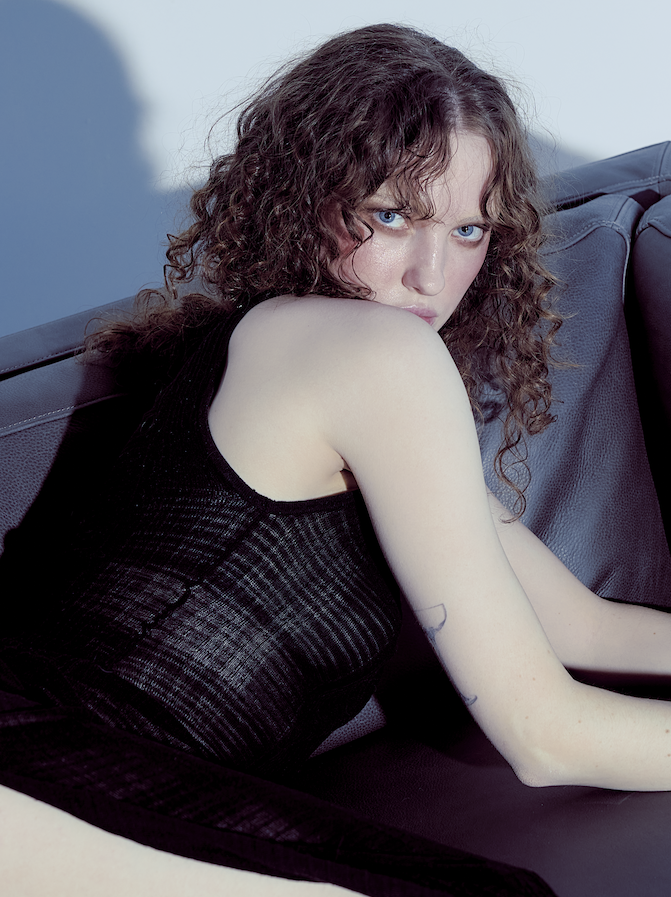
- Malta sofa by ARHAUS
-
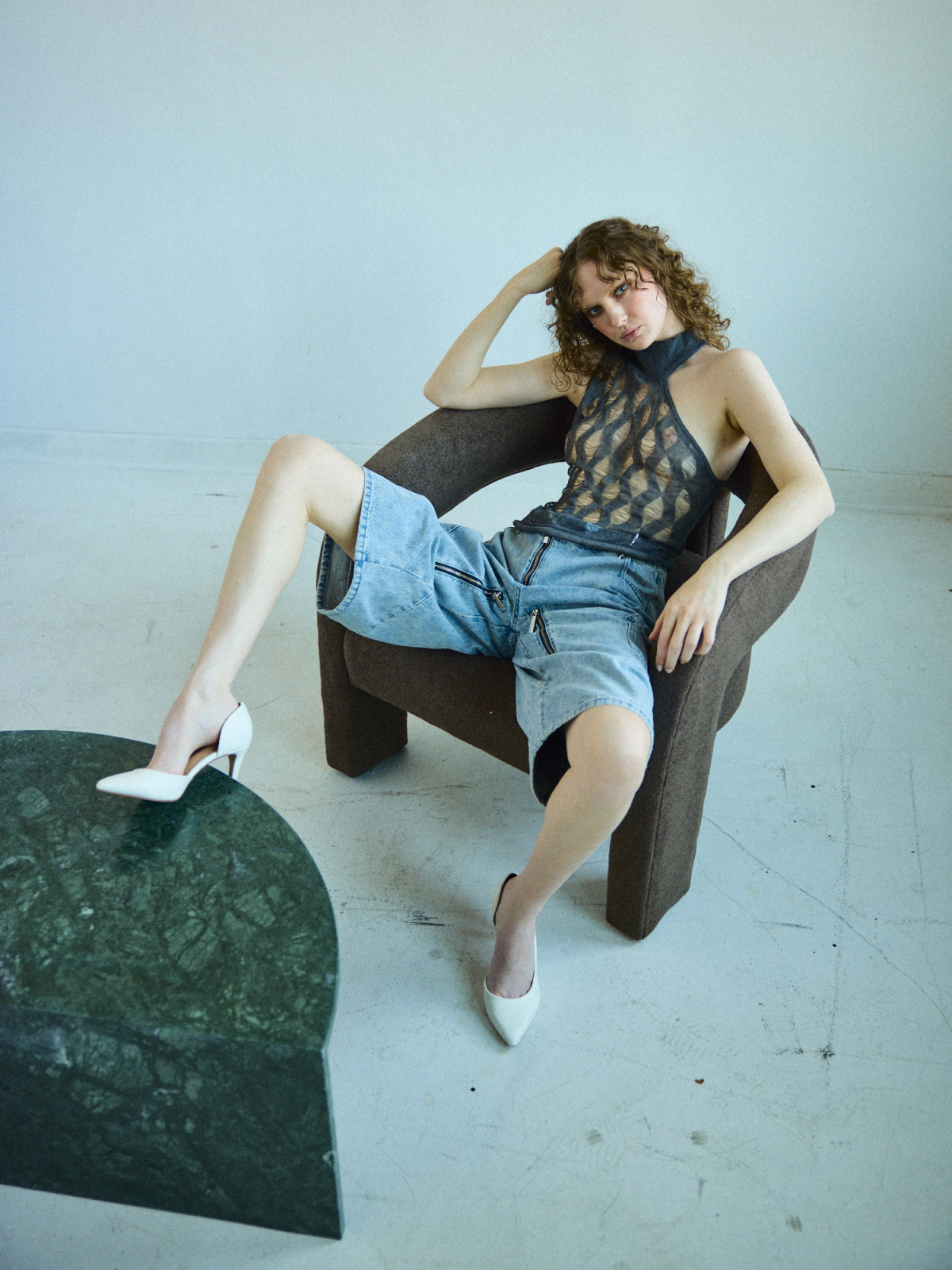
- Mara chair from ARHAUS
The collection shown here is rooted in a 90s grunge obsession that Fang fell into by way of concert footage. “I was randomly looking at a lot of ‘90s concert footage,” he says. “It started with the Cranberries performing at Woodstock, and then moved into the world of grunge fashion and Kurt Cobain.” What fascinated him wasn’t just the aesthetic but the emotional architecture underneath it: fragile, brilliant people who broke into the mainstream and were destroyed by it. “A lot of them are really fragile souls,” he says. “I just find that to be super fascinating.”
He was also dating an indie rock musician at the time and started seeing parallels between that scene and the queer underground techno raving world he’d been drawing from since the brand’s inception. “It’s all about releasing anxiety and stress,” he says. “It’s self-expression. You go into the venue for a set and there’s a mosh pit and people are just expressing themselves. It’s really an intense experience.” The collection translates that into knitted plaid patterns, sheer pieces, leather and denim, and the signature compression knits that anchor everything back to the body.
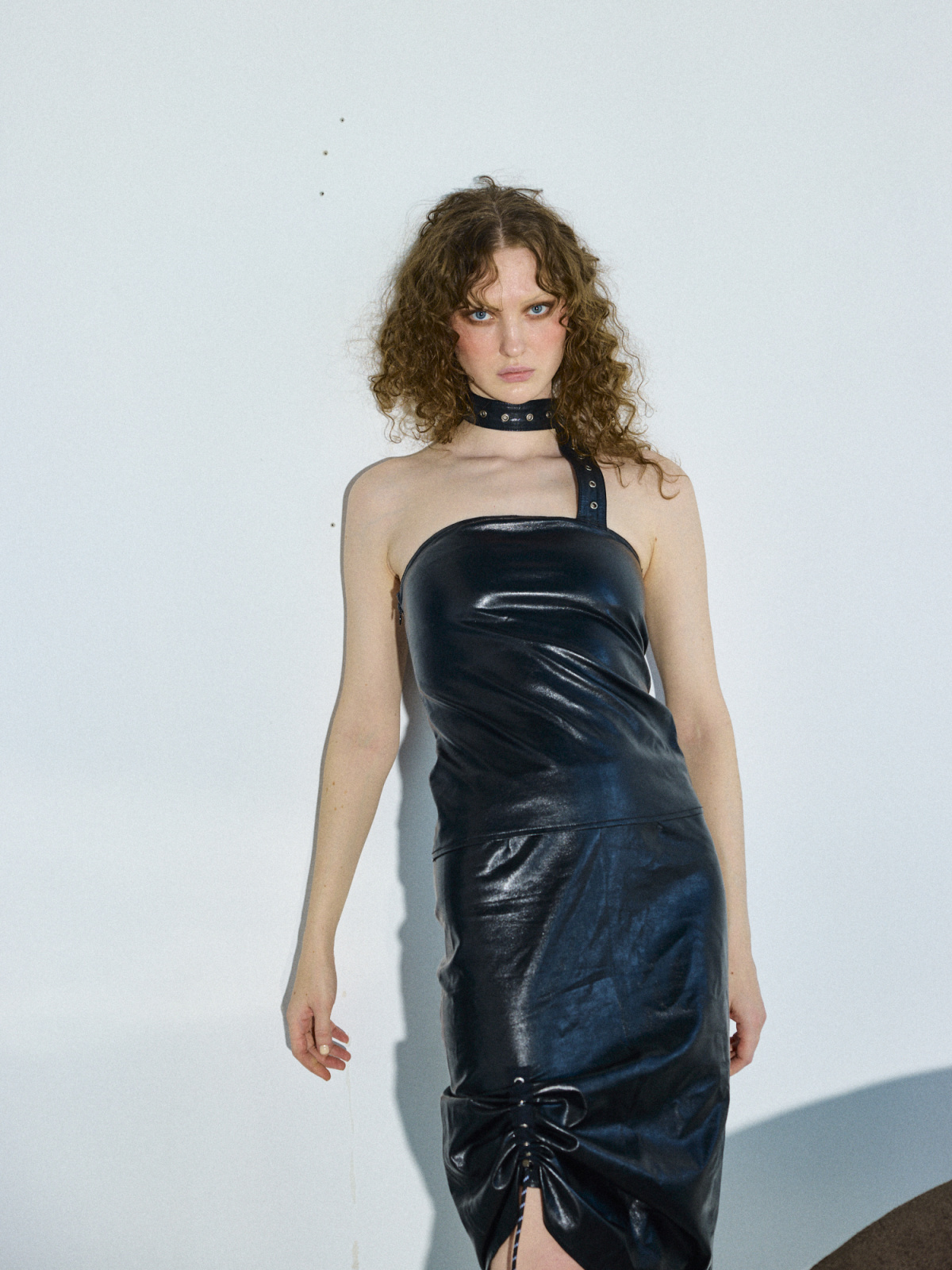
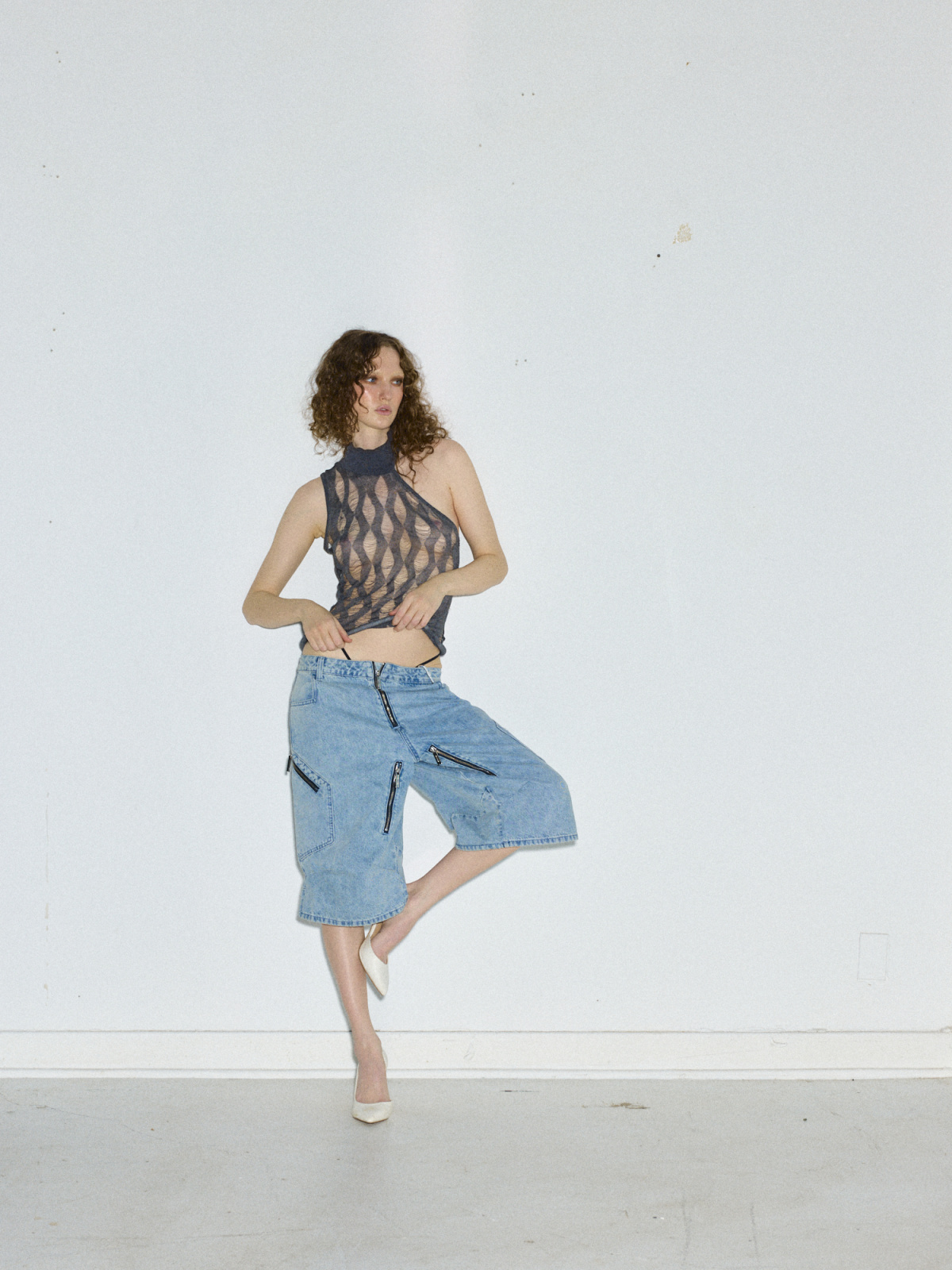
The challenge Fang faces is the fashion industry remains binary in how it buys and merchandises. “When I showcase the line to a men’s buyer, they say, ‘oh, this might be a bit too directional for our customer. Our best sellers are graphic t-shirts.’ When we show to female buyers, they’re like, ‘oh, this is not feminine enough.’” He’s not naive about the political moment either. “Especially now, with the general social environment, people are being a bit more conservative,” he says. “But when the social trend is more regressive, I find that the communities hold each other tighter. They yearn for something that’s subversive, or a bit more punk and rebellious.”
He just wrapped his second runway show in February. He describes the experience with the mix of exhilaration and absurdity that anyone who’s produced a show will recognize: “We plan it for five months and then in 10 minutes it’s over. But it’s all for the theatrics. People love it. At the end of the day, you want to make people feel good, and entertained.”
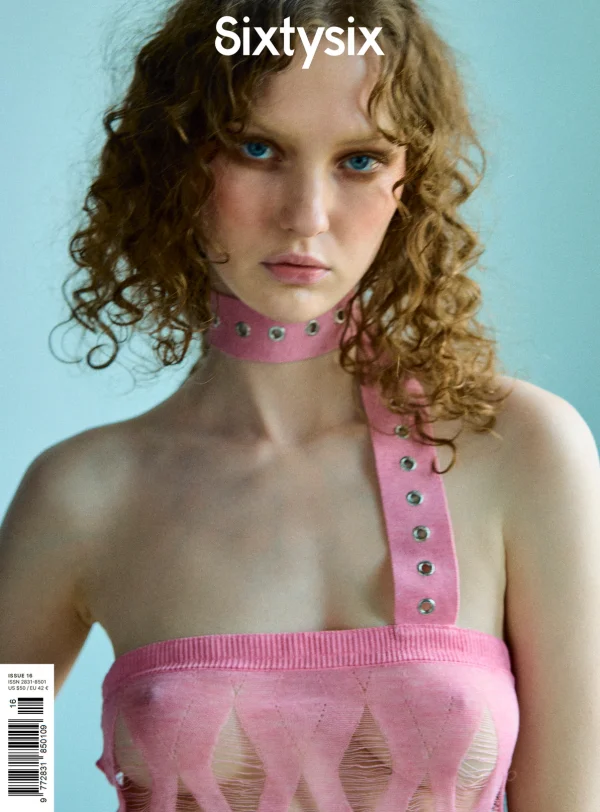
Additional reporting by Gianna Annunzio. Hair & makeup by Tanya Renelt, The Rock Agency. Model: Avery Piepenburg, Ford Models. Riggs coffee table and Mara sofa and chair from ARHAUS
A version of this article originally appeared in Sixtysix Issue 16.