What transforms a kitchen from a utilitarian workspace into a gathering place where conversations flow? Sixtysix magazine, in partnership with Dacor, explored this question with three designers who are rewriting the rules of residential hospitality during an event titled “The Table Read.” Hosted during this year’s Design Chicago, the event featured an immersive installation designed by Broken Tart and prop stylist Amanda Wolfson as the perfect book club gathering and inspired by the latest cover of Sixtysix.
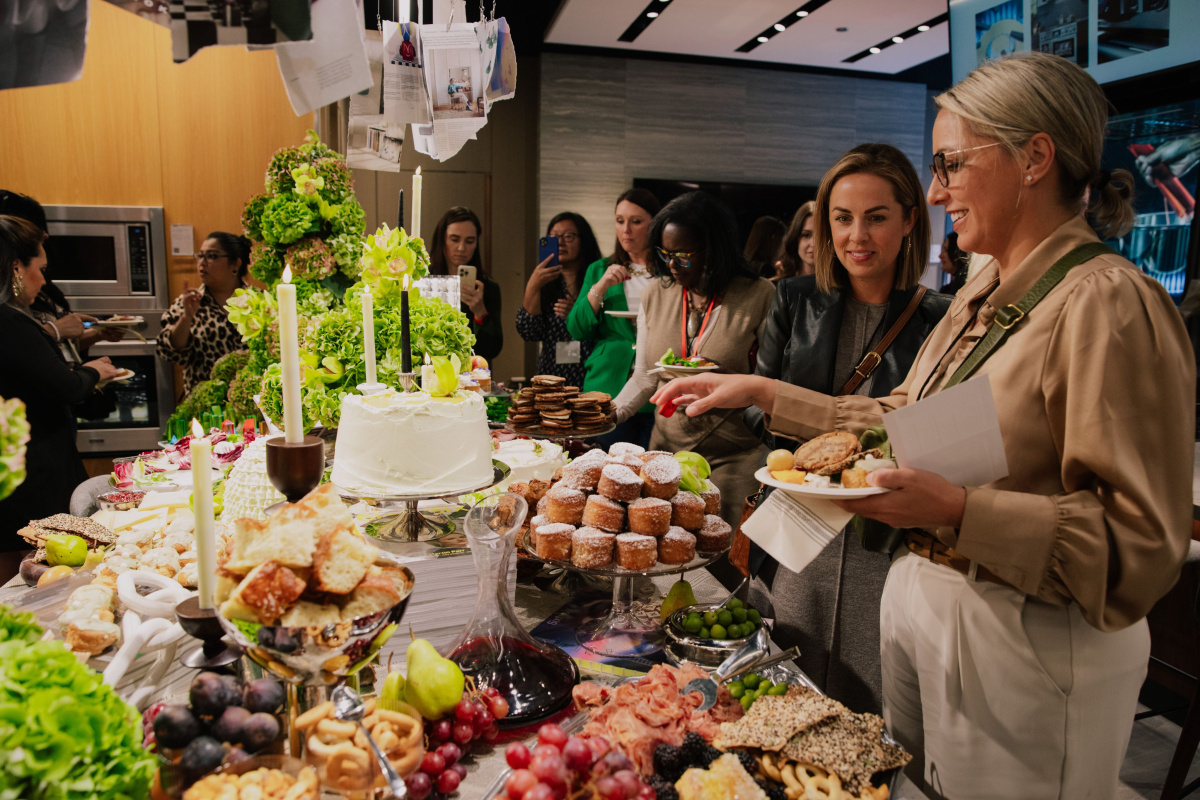
Hosted during Design Chicago, the immersive event invited guests to imagine the kitchen as the new living room. Conversation, food, and design came together around one shared table.
Sixtysix editor in chief Chris Force sat down with Marli Jones and Amanda Eby of Rebel House Interiors and Wade Hall, the hospitality design force behind some of Chicago’s most beloved destinations including Cara Cara Club, Estero, and Sportsman’s Club. They discussed the fusion of kitchen design and event hosting, decoding how to create Instagram-worthy entertaining experiences in the kitchen—and more importantly, how to make those experiences feel genuine and warm.
-
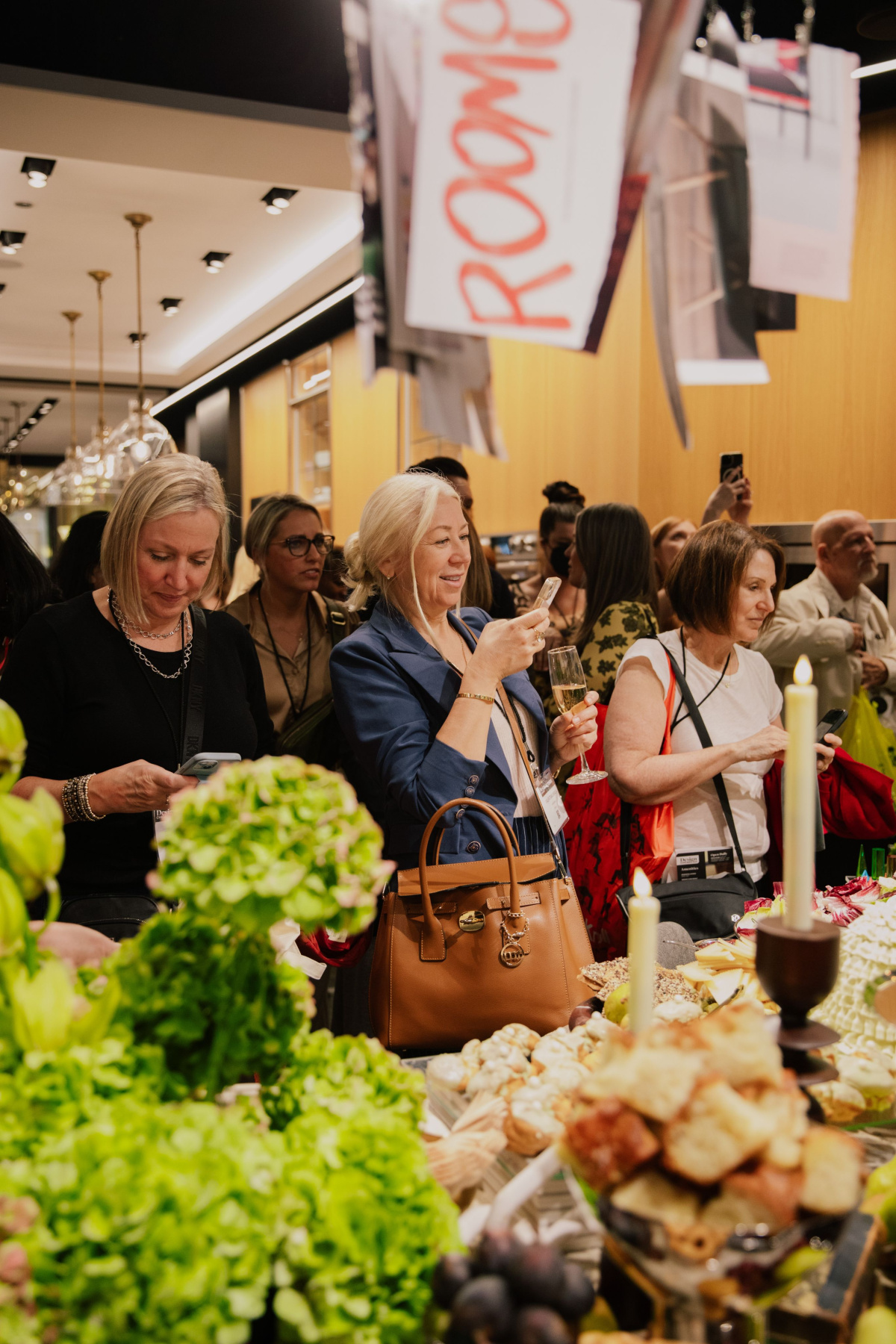
- Sixtysix and Dacor partnered to celebrate the art of entertaining at home.
-
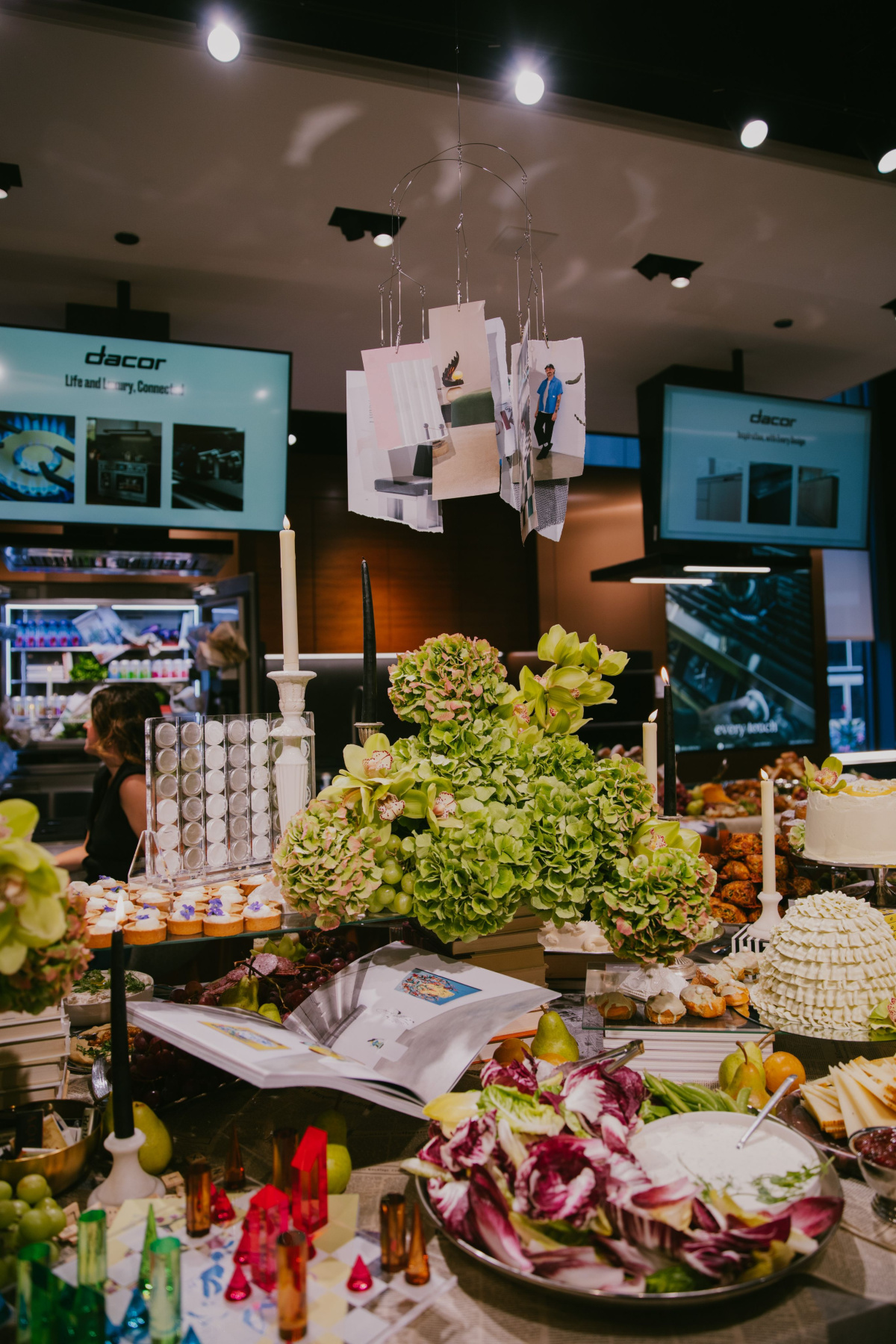
- The discussion uncovered how design choices shape the way we gather and share moments.
The conversation opened with a revelation: kitchens are no longer simply kitchens. They’re becoming the face of the home, the stage where entertaining happens, and the gathering place where hospitality lives. Rebel House has been rethinking kitchen layouts entirely, introducing the concept of the “front kitchen” and the “back kitchen,” a modern return to the scullery concept.
“The front kitchen is beautiful, polished, and welcoming,” said Marli. “The back kitchen is your workspace. That’s where you have double ovens or an additional microwave, and additional refrigeration. It’s where some of the messier projects happen.”
As designers push boundaries in kitchen spaces they’re also beginning to embrace raw, unpolished materials. Concrete, brutalist finishes, and tactile surfaces are gaining ground over the sterile perfection that once dominated luxury kitchens. More importantly, there’s a growing acceptance of how materials age and tell stories.
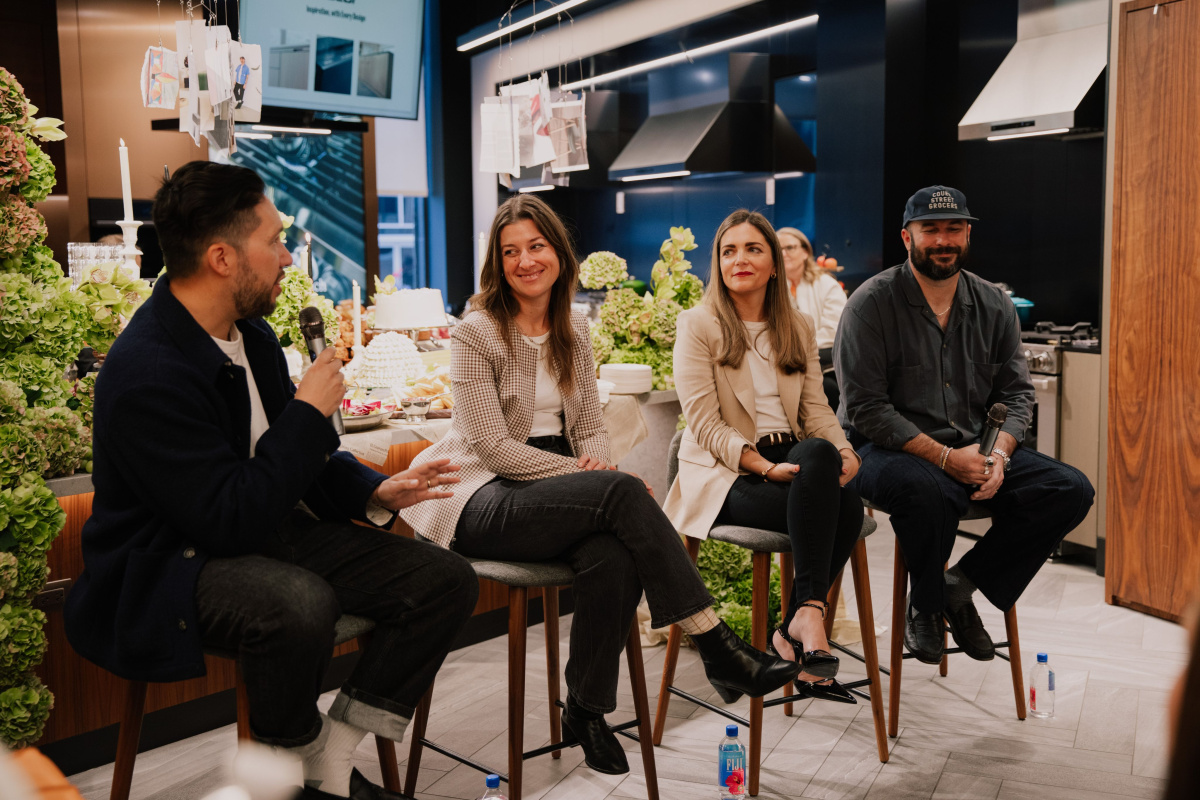
Sixtysix editor-in-chief Chris Force joined designers Marli Jones and Amanda Eby of Rebel House Interiors and hospitality designer Wade Hall for a lively discussion on the evolving role of the kitchen. They explored how design, materials, and atmosphere shape the way we gather at home.
“We should be talking about that more as designers and encouraging clients to think about materials as they age. Aging is beautiful,” said Wade. He emphasized that the scratches on a stainless steel sink and the marks on a marble counter are not failures, but narratives. “There’s something beautiful in how brass is going to patina or how the marble ages on the bar. It tells a story about who’s living or working or visiting this space.”
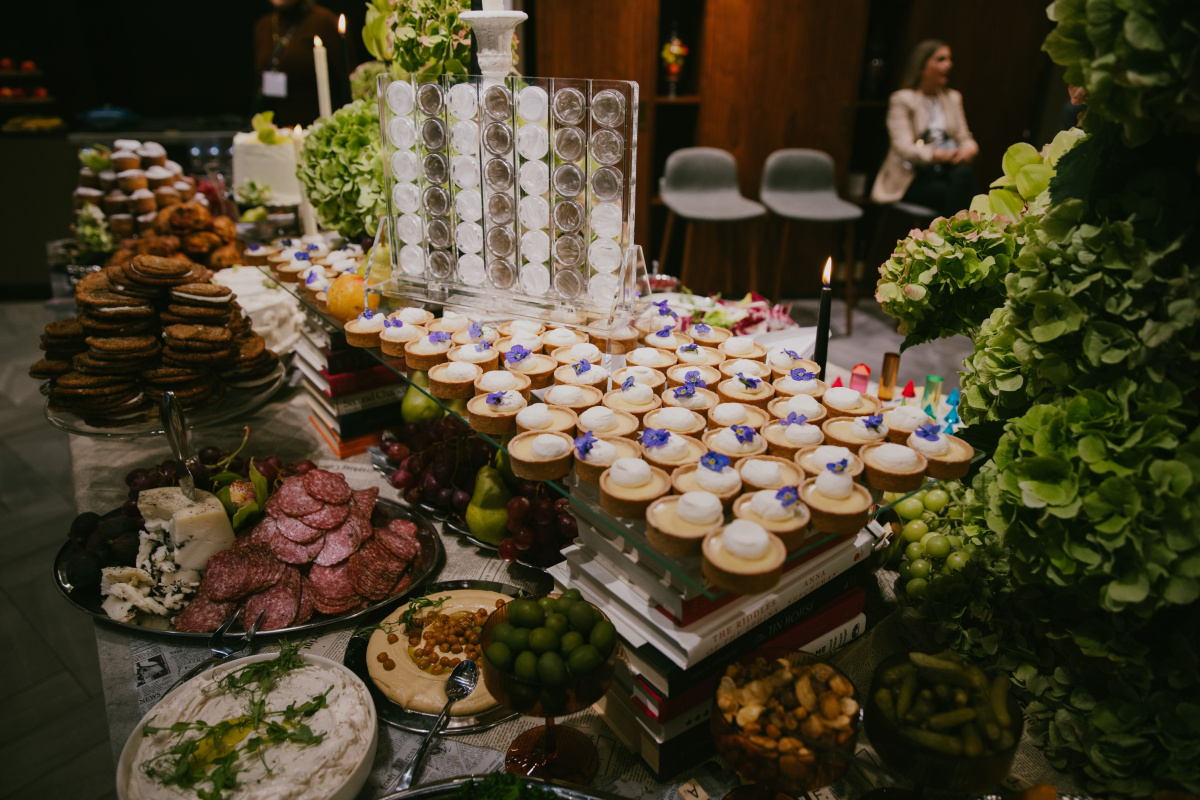
The grazing table drew guests in with color, texture, and abundance. It turned the simple act of sharing food into an experience of connection.
This philosophy demands a shift in how designers prepare their clients. Yes, that red wine spill on pristine marble is terrifying. But designers work with homeowners to reframe the anxiety. “The first couple of marks are really going to hurt,” Amanda said. “After that, you can live with it. It begins the development stage of patina. Once you get over that hump, it’s this beautiful layer,” she said.
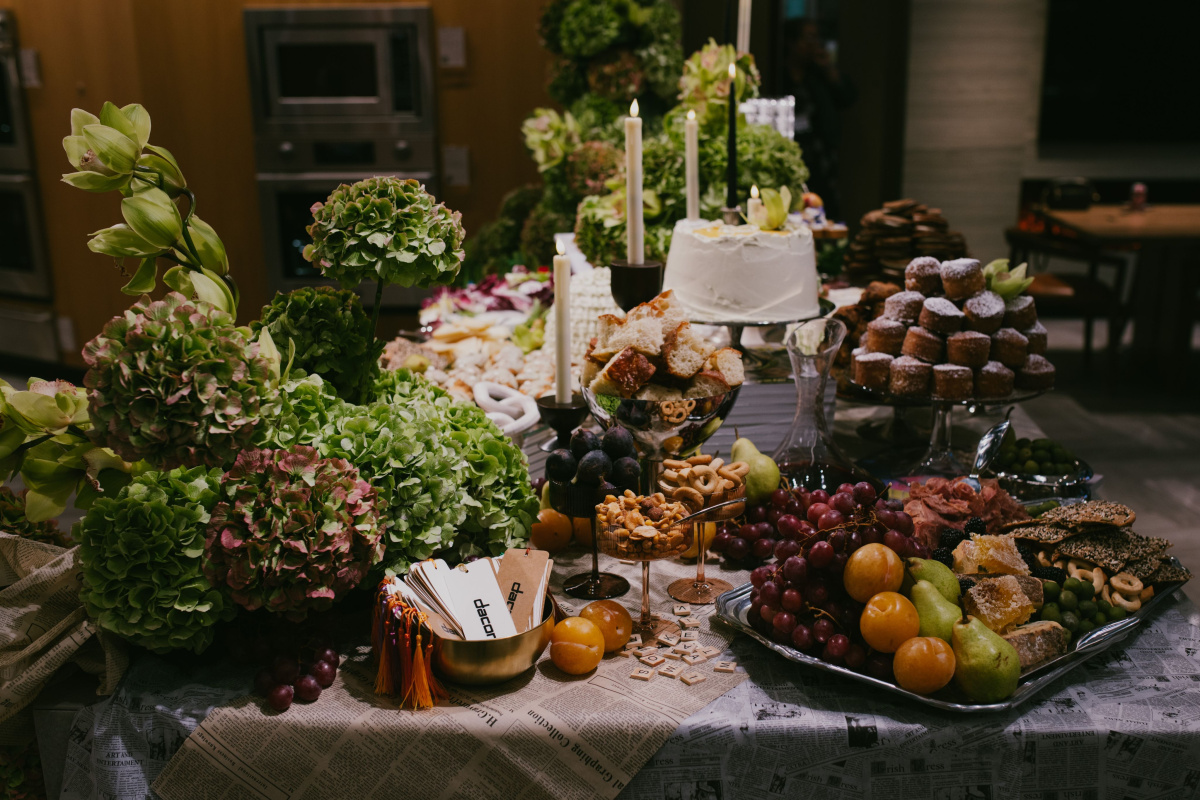
“Lighting in unexpected places can completely elevate a space,” said Marli Jones, reflecting on how light guides the atmosphere of a room.
Wade also brought a personal obsession to the table, music. In hospitality spaces, he explained, sound design is crucial. “You want sound that is warm and not intrusive and can cover you, but allow you to have a great conversation.” He noted that residential kitchens are now following suit. “With the shift of seeing the kitchen become more of a gathering space, you’re seeing more warm lighting, more mood, more candles. You’re bringing more unique speaker systems into the kitchen.”
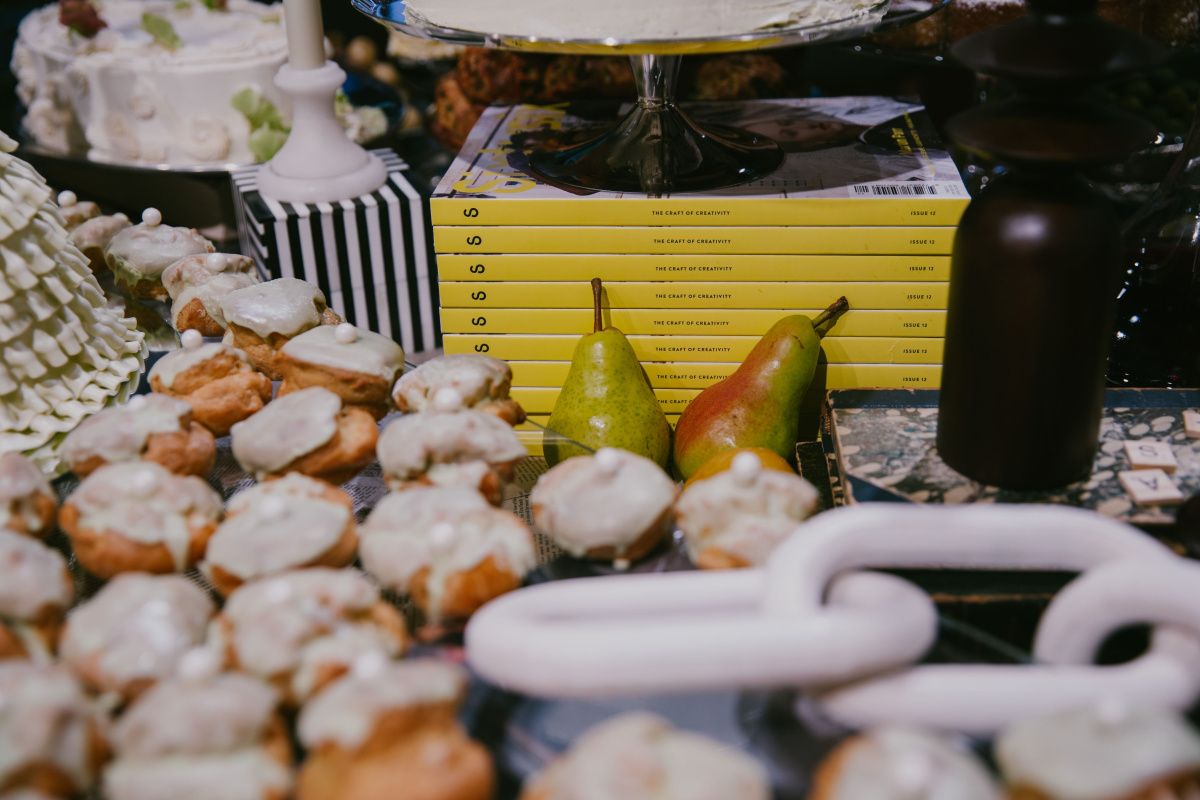
The Table Read’s book club-inspired installation became a space for sharing stories about home, hospitality, and design. “You want sound that is warm and not intrusive,” said Wade Hall, noting that even music can influence how people connect in the kitchen.
Warmth in a space also comes down to lighting. “We like to do mixes of decorative sconces,” Marli said. “It feels layered and textural, and the light output is very warm. We also do lots of under-cabinet lighting. There are so many ways to illuminate a space effectively, like using perimeter lighting, backlighting, under-cabinet lighting—lighting in unexpected places can elevate a space.”
Food presentation also plays a crucial role in creating an inviting host environment. “Sometimes hosts get bogged down trying to prepare food, and then they’re not actually enjoying the event,” Amanda said. “Setting up a grazing table like this is the best way to care for the people you’re hosting and making sure it’s a sensory experience. They’re enjoying the food, the smells, how beautiful it looks. It makes everything more inviting.”
-
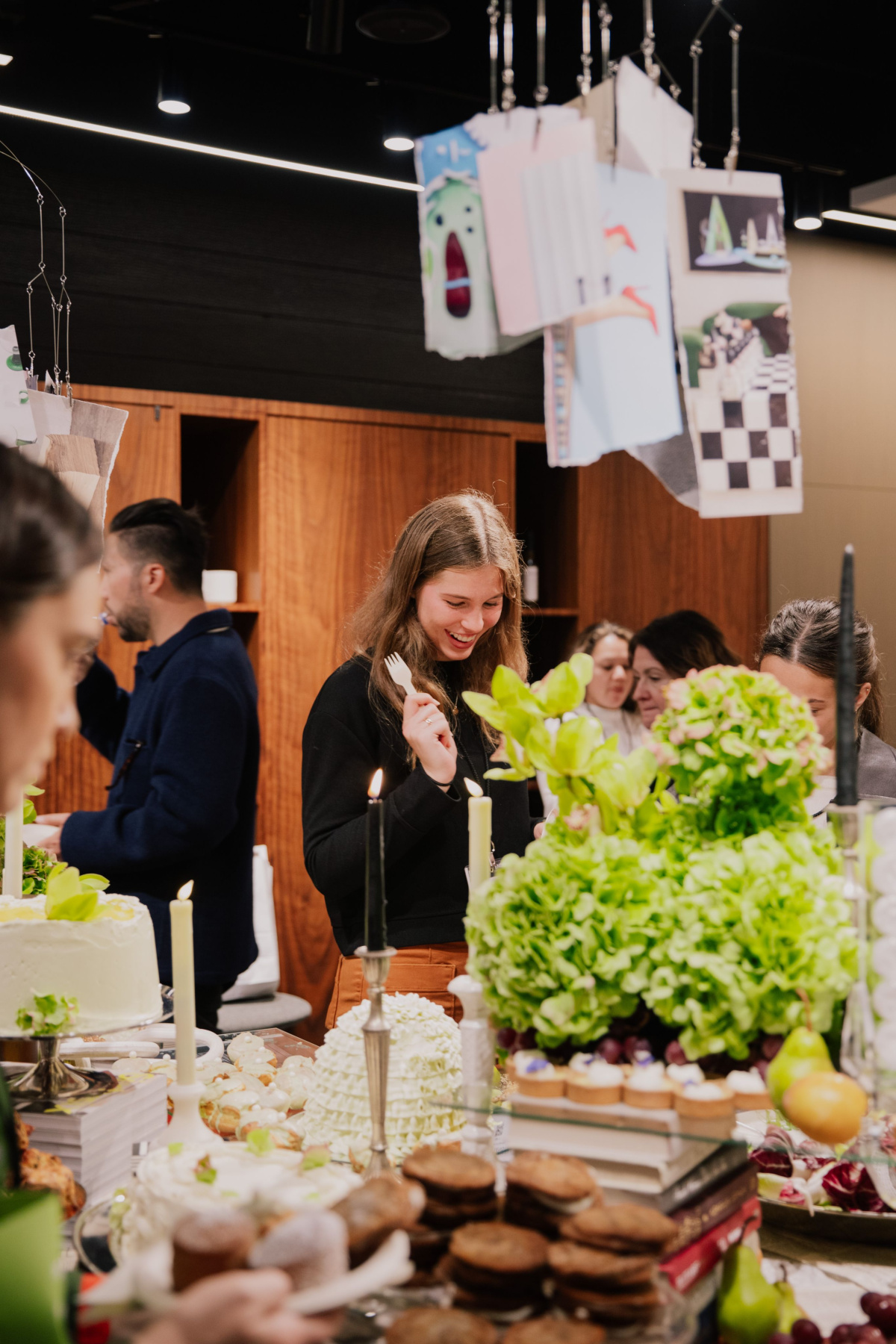
- The Table Read installation invited guests to imagine the kitchen as a stage for community.
-
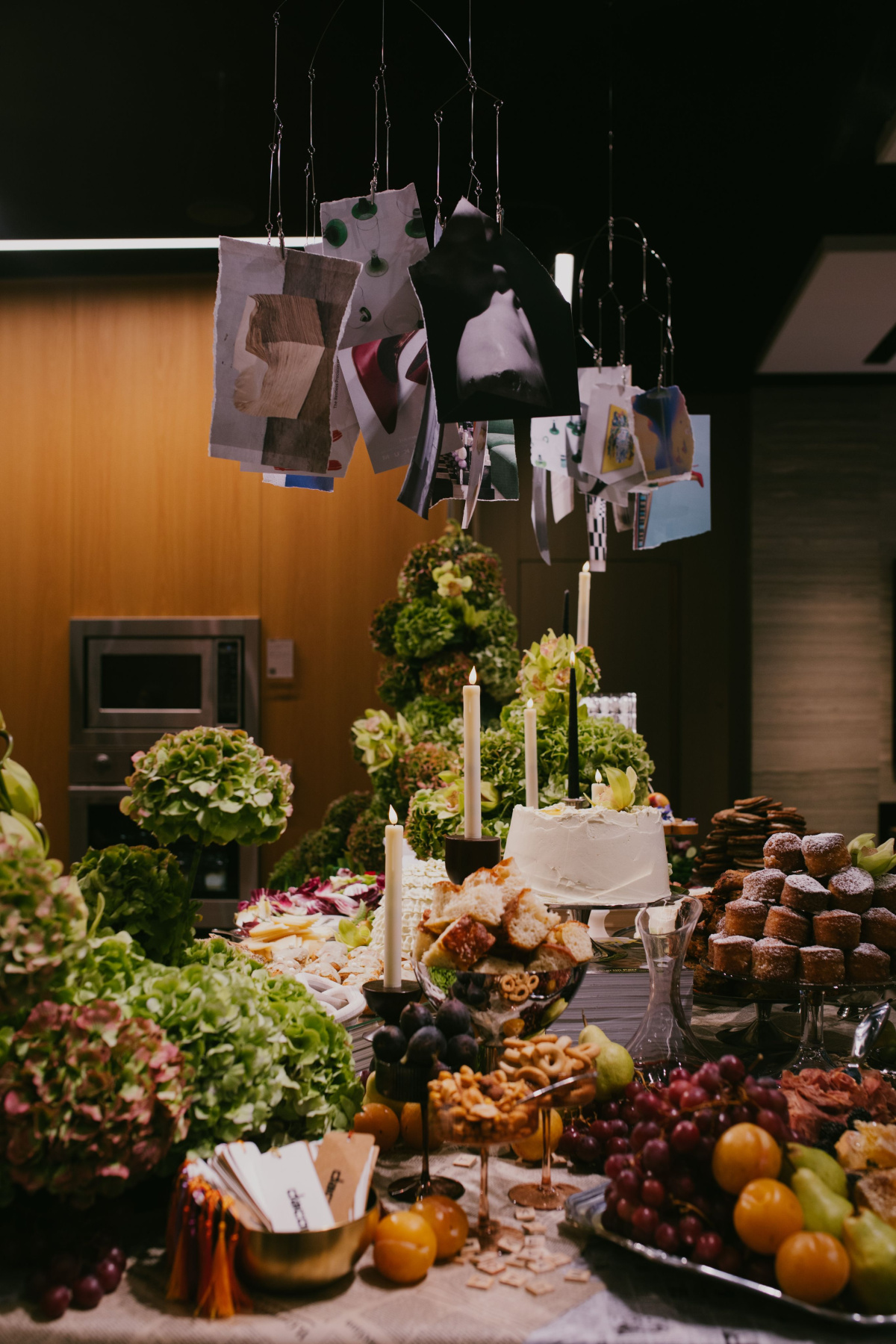
- “The front kitchen is beautiful and polished, and the back kitchen is where the real work happens,” said Marli Jones, describing a new approach to modern hosting.
By the conversation’s end, it was clear that the future of residential design isn’t about marble or brass or the perfect lighting scheme. It’s about creating a space where people want to gather, where the design encourages lingering, and where every element supports connection.