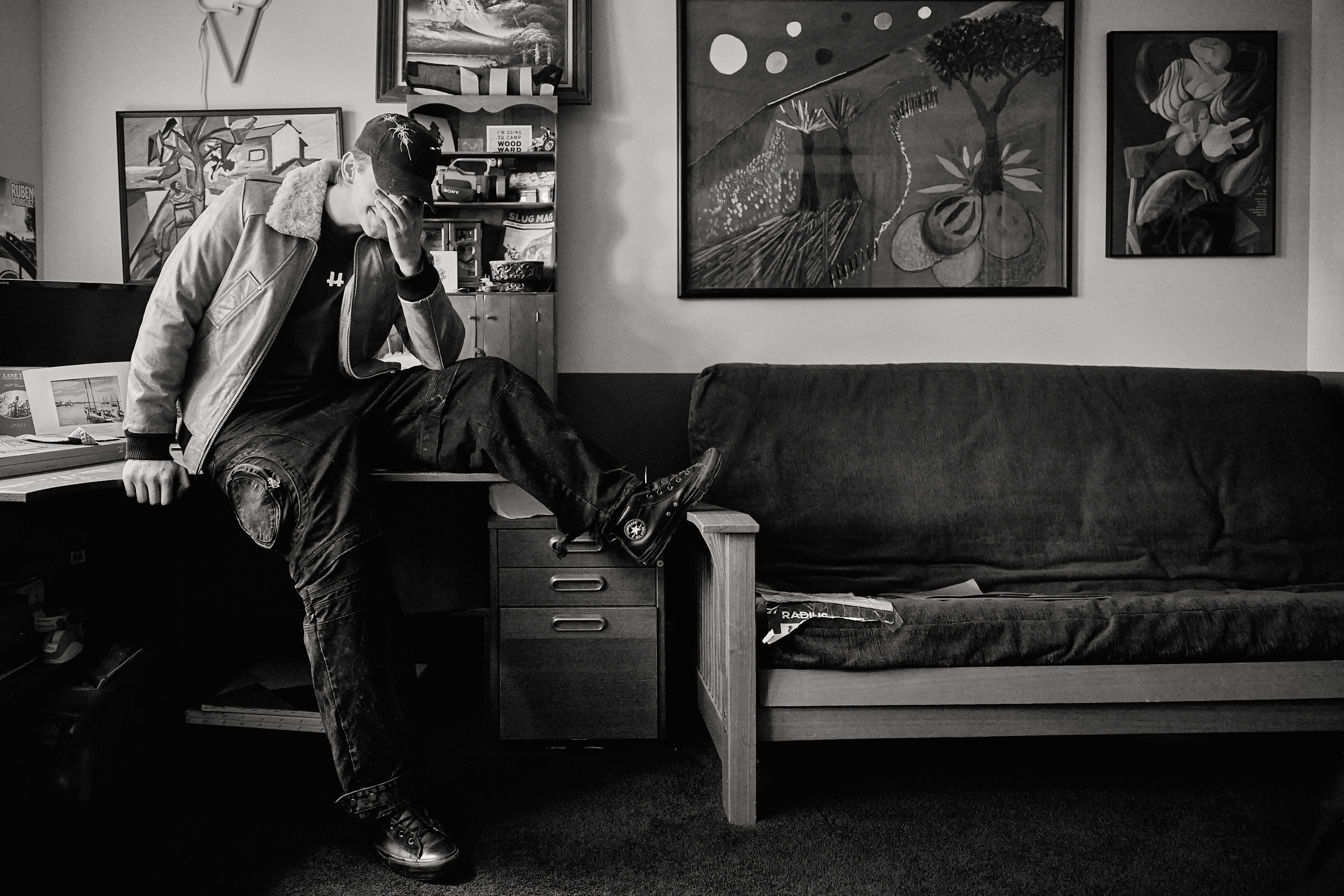
Chris Mottalini shoots for feeling. His photographs of architecture and interiors—quiet, mysterious, personal—carry an emotional clarity that sets them apart from the glossy perfection typical of design magazines. “I was never interested in shooting those bland, technically perfect interior photos for big ad campaigns or magazines,” he says. “I always wanted to make the kind of work that felt right to me, even if that meant pushing my work into those magazines on my own terms.” Born in Buffalo and now based in New York’s Hudson Valley, Chris studied photography at the University of Colorado before carving out his style and niche. His first book, After You Left, They Took It Apart, focused on soon-to-be-demolished modernist homes by architect Paul Rudolph.
That project—his first major assignment—changed everything. “That experience was everything I had been looking for photographically,” he says. It also led to a group exhibition at the Museum of Contemporary Photography and a joint publication with the University of Chicago Press. He later married the woman who gave him the assignment. In this feature Chris and I revisit some of his favorite photographs—rooms he’s tracked down across the world—and talk through what makes a space worth remembering.
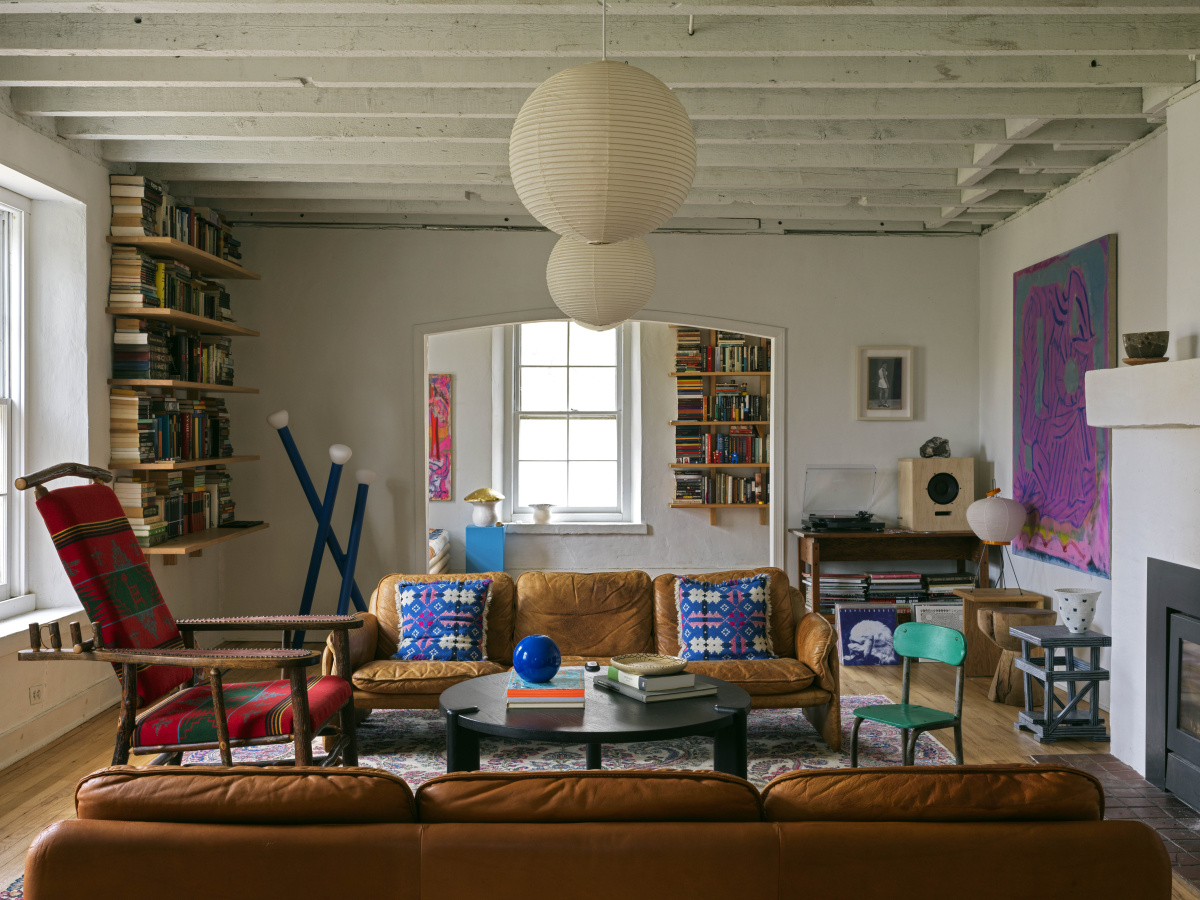
Chris and his family live in this 1950s-era stone house in the Hudson Valley. “The living room is super important to us—it’s where the fireplace is, where the record player is,” he says. “It’s kind of my kid’s unofficial playroom, although his toys drive me crazy lately because they’re all over the place. But that’s where he does Legos or plays games while listening to music. We spend a lot of time in this room because we really love our house.”
-
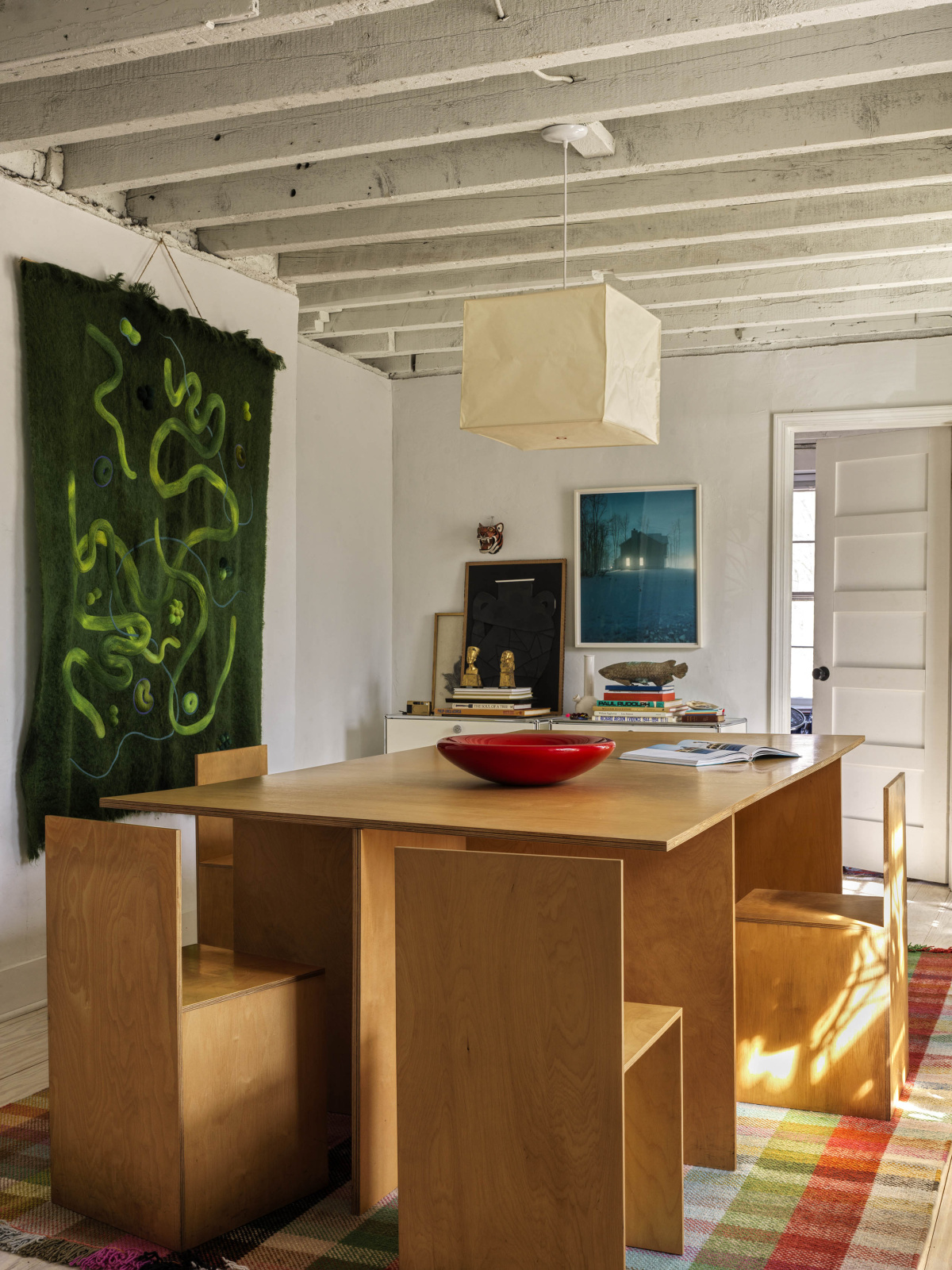
- The Mottalini family dining room, adjoining the living room, is centered around a cherished Donald Judd table passed down from a longtime mentor. “My mentor, who taught me pretty much everything I know, had this table for years. He got it in the ‘90s, and it was always in his apartment. I would sit at it when I went there for work, and at first I didn’t even know who Donald Judd was. I started to learn about him while literally working and sitting at a vintage Judd table every day. At the time I’d joke with him and complain, saying “Why are these chairs so uncomfortable? The back digs right into your shoulder blades!”
-
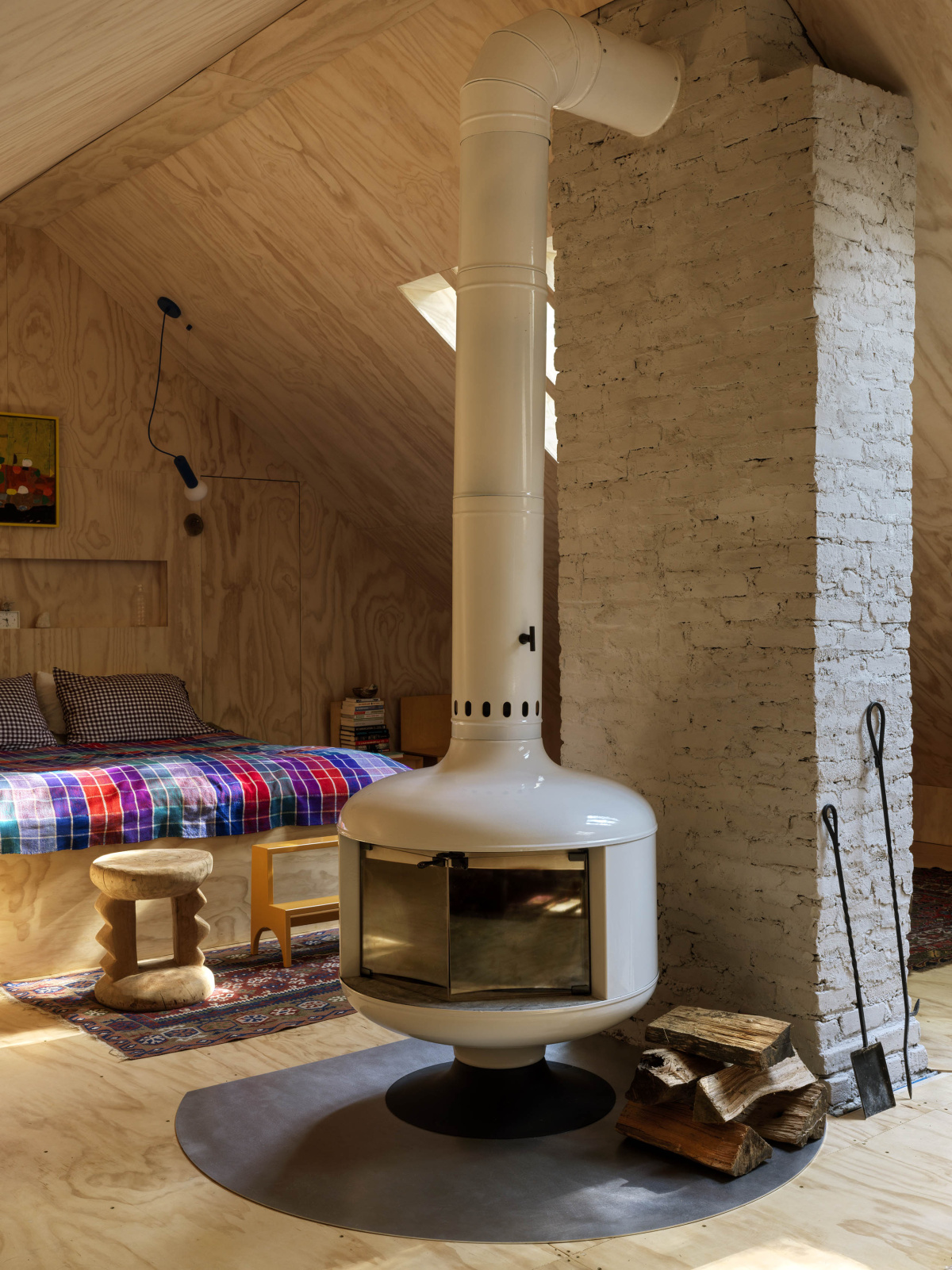
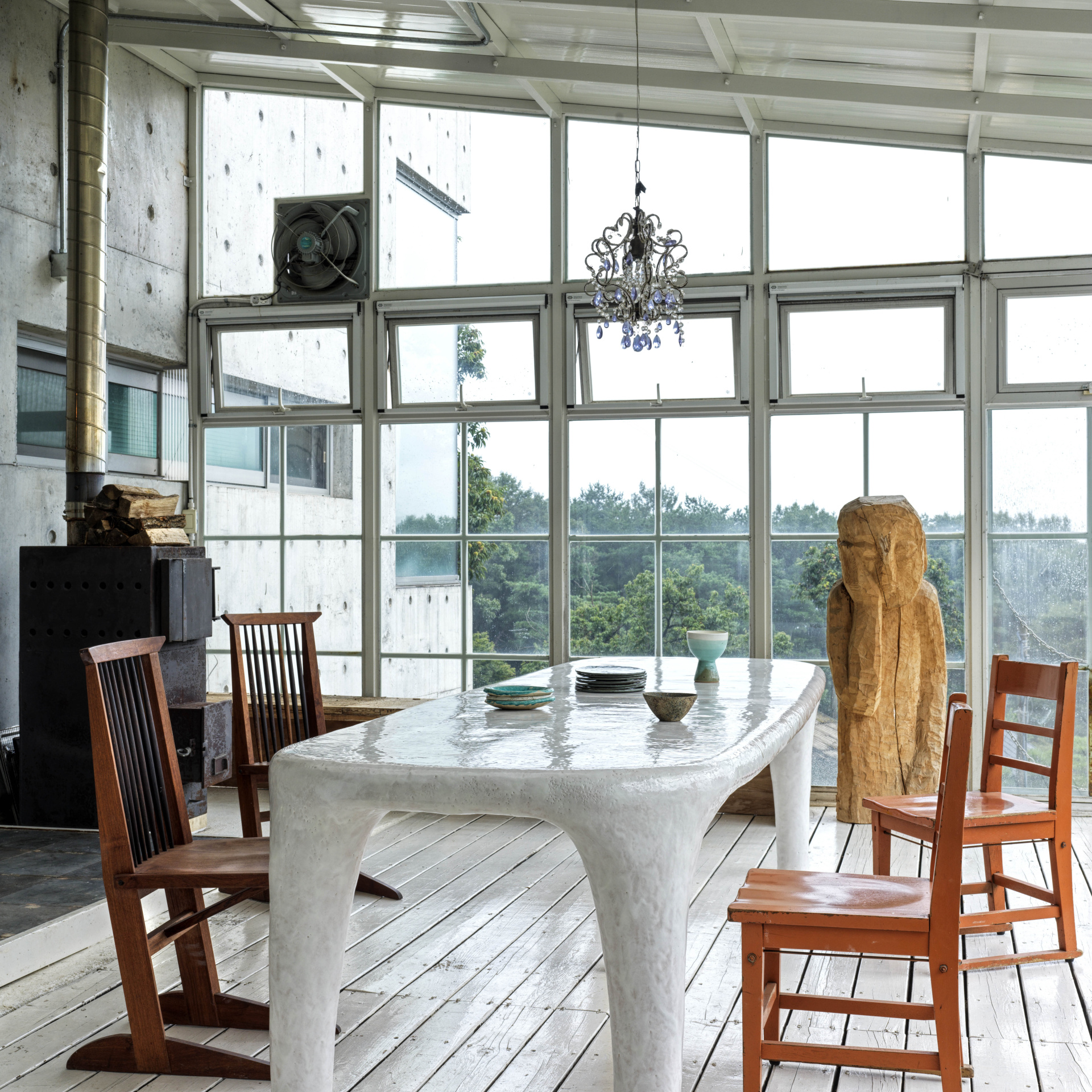
- Once an untouched attic, the Mottalini family transformed this space into an open-plan bedroom and office through a renovation with a local architect, featuring a woodstove by Malm. “For the past 75 years until about a year ago, it was just raw, unfinished attic space,” he says. “The guy who built the house probably meant to do something with it, but it wasn’t touched until we finally got around to renovating it. It essentially doubled the size of the house. Now it’s a big open-plan bedroom and office.”
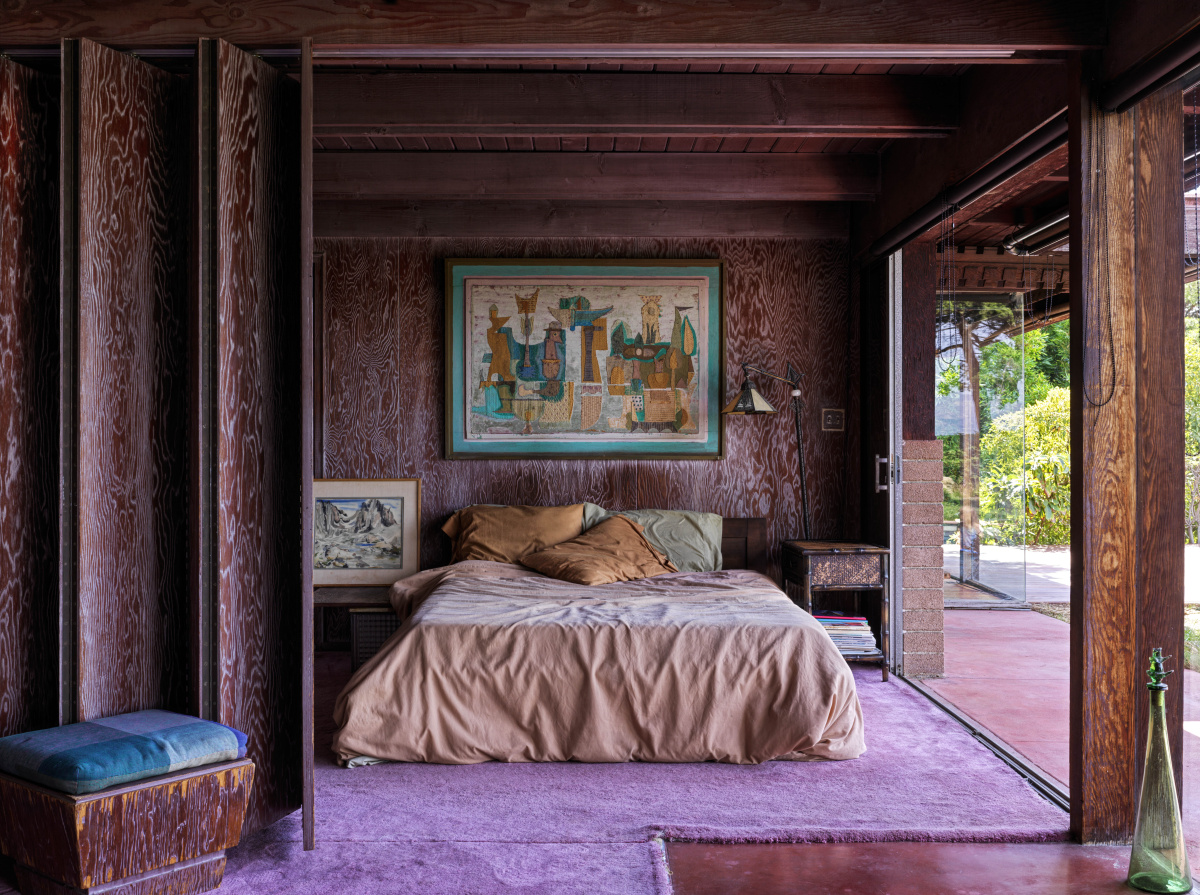
Anaïs Nin’s house in Silver Lake, designed by Frank Lloyd Wright’s grandson, remained largely untouched since the late ’70s. “The house is almost like Nin never left. It still had original items like her books, art, furniture, office, and refrigerator, even though it was falling apart. It’s a modest house, but it has an incredible pool and a view of Silver Lake. It was a tough one to photograph, though. After the shoot I felt kind of down because I wasn’t sure how I could top that experience.”
-
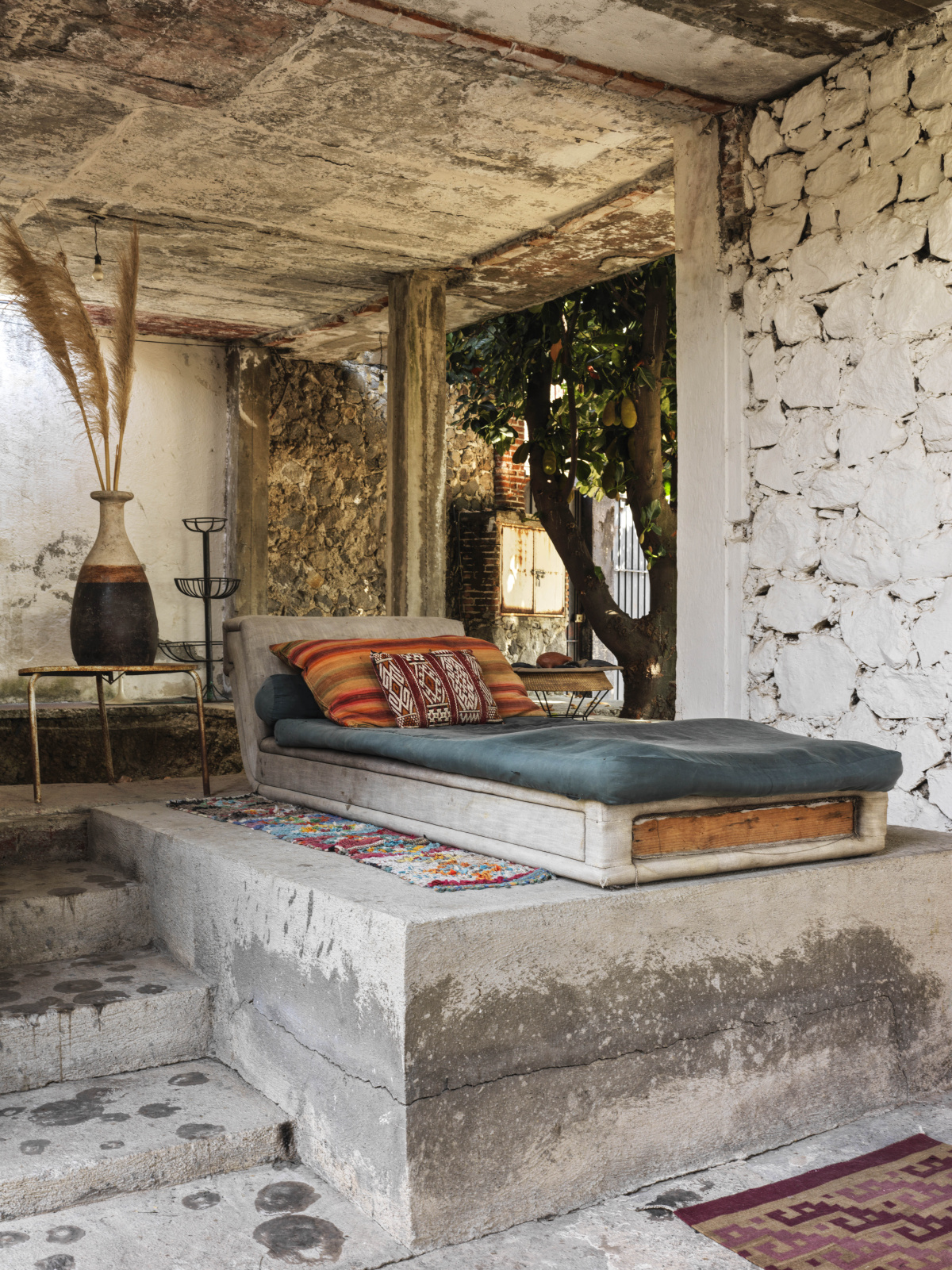
- A few hours outside of Mexico City, a French architect’s concrete house—with no doors except in the bathroom. “The house is remarkable,” he says. “There’s no front door. Once you’re inside, it’s all open. The only thing separating you from the outdoors is a metal gate, and the whole house is made of concrete and open-air spaces. It has this really primitive feel to it, almost like a pyramid. You can climb to the top and look down over the valley. I had this amazing stew and the best giant quesadilla I’ve ever had from a guy down the road. It was just such a great experience.”
-
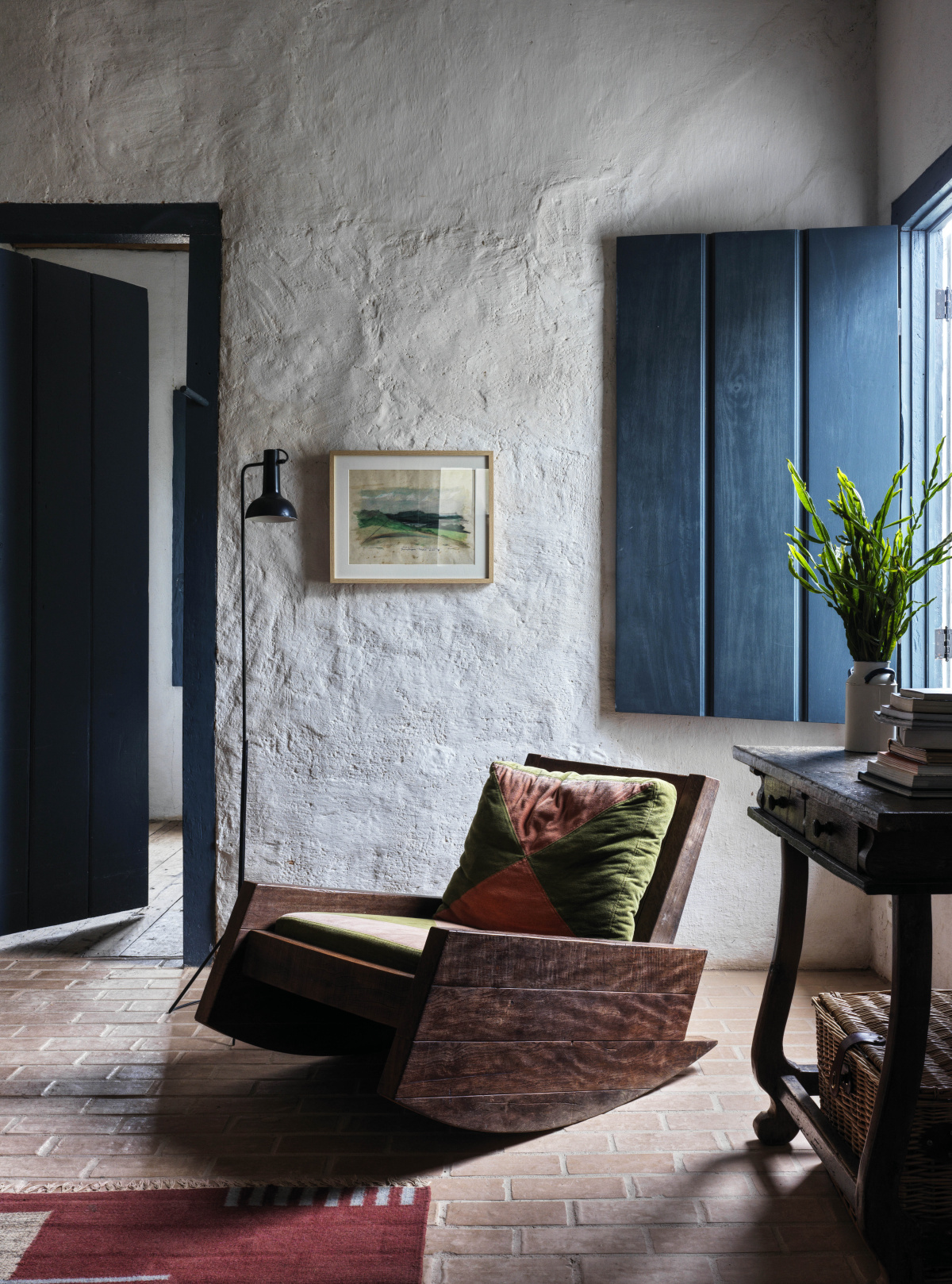
- Deep in a remote part of Brazil, an architect couple’s farmhouse sits nestled on a rugged mountainside. “The house is a two-part structure, and the photo is from the original farmhouse,” he says. “It’s a place where an architect couple lives with their child. It’s pretty wild—horses run by outside, and they have a square swimming pool set into the hillside right in the middle of the jungle. It’s a handmade, real space with some brilliant design details, like those shutters and that chair. Everything about the room works.”
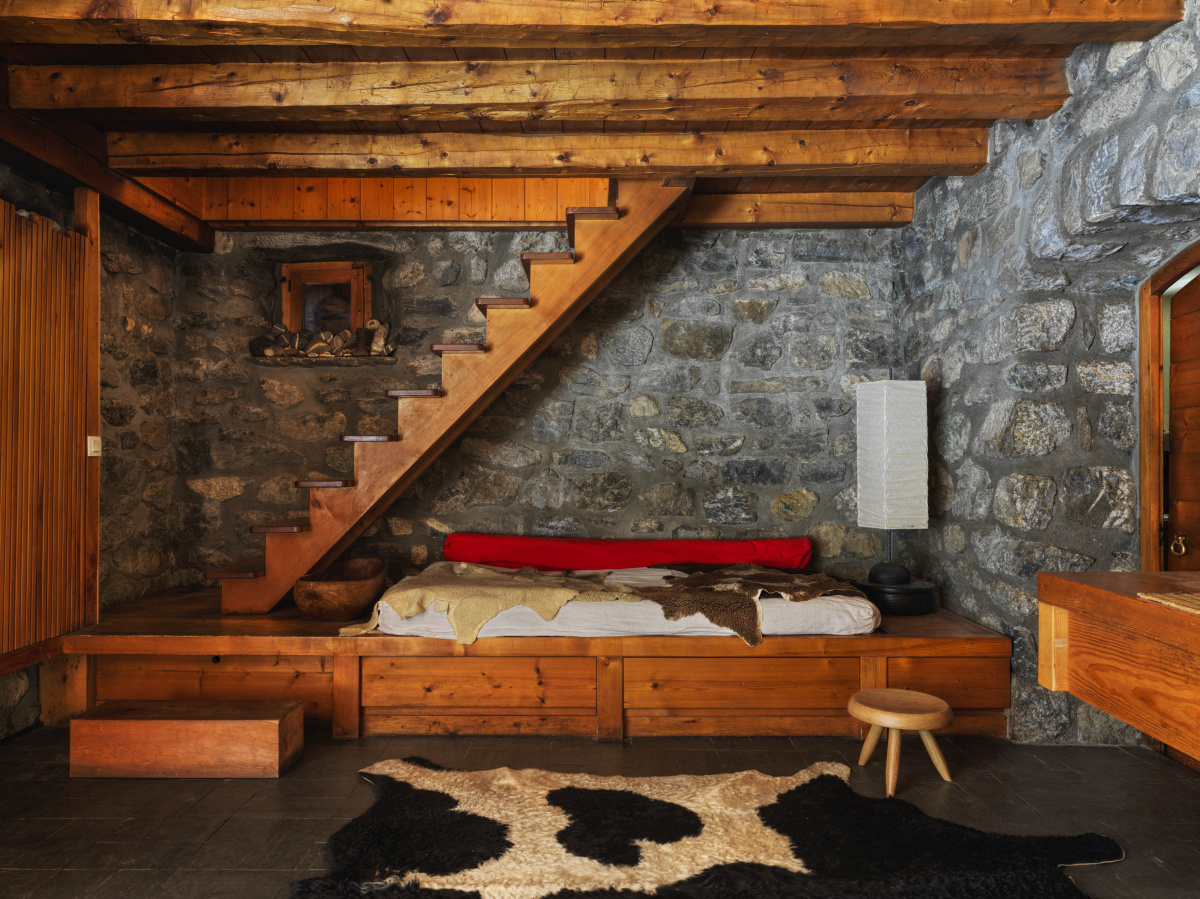
This photo was taken in a ski chalet designed by Charlotte Perriand. “It’s a rare opportunity to photograph a space like this—still owned by her family and still used by them,” he says.“ I photographed it in the middle of a snowstorm. “It’s filled with Charlotte’s original furniture, books, and personal items. The lighting was tricky, but what made it special was how the space felt. It had that cozy, intimate vibe that’s hard to capture.”
-
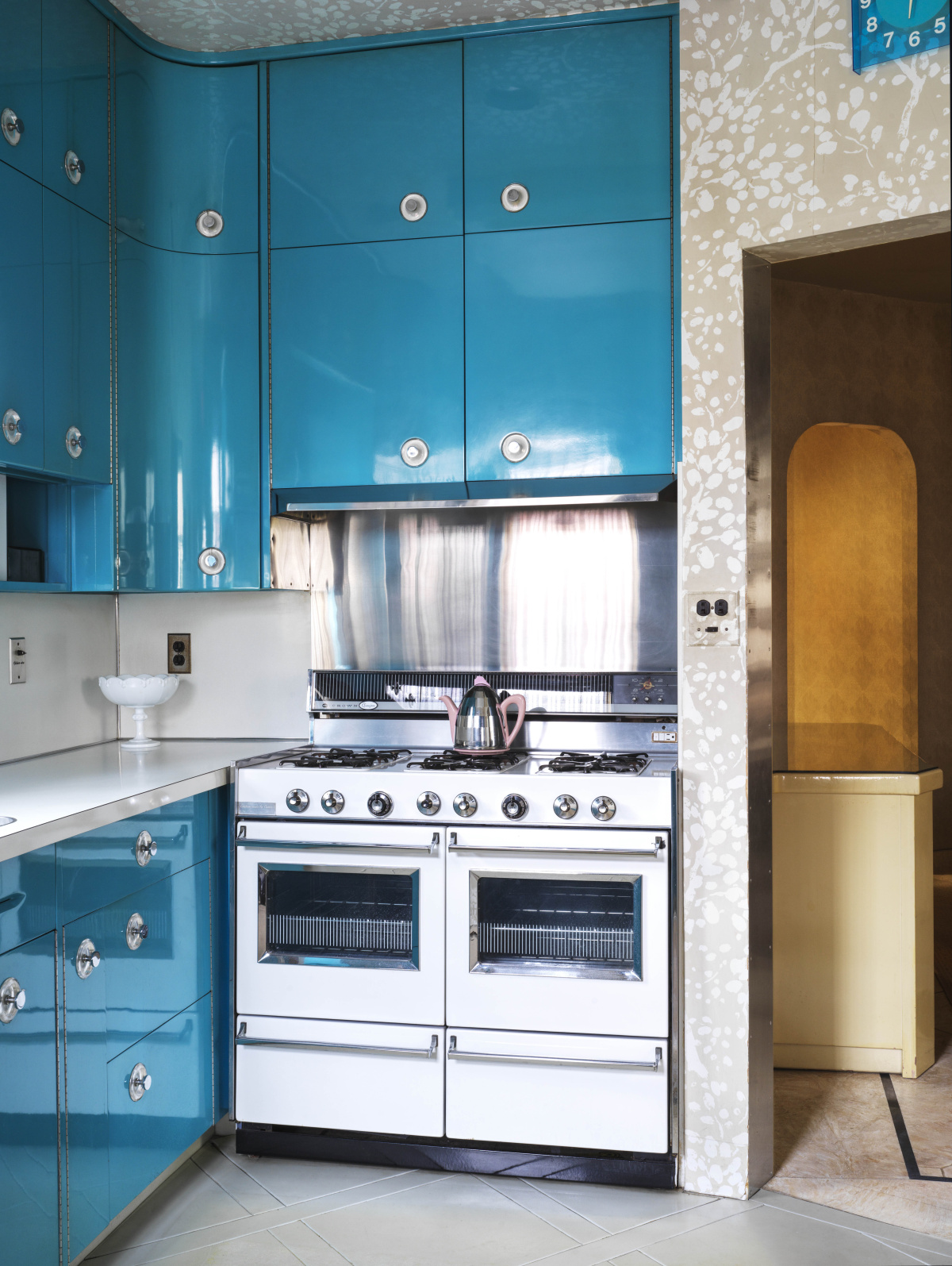
- The Louis Armstrong House in Queens, designed by his wife Lucille, feels like an extension of his creative world. “That kitchen is just brilliant. It feels brand new. The clock is a nice touch. That’s one of those moments where I wish I had composed the shot a bit differently—I would have liked to show more of the clock and the top corner of the cabinet, but it got cropped out. But again, I think having some imperfections like that makes it feel less like an overly controlled photograph, which is OK.”
-
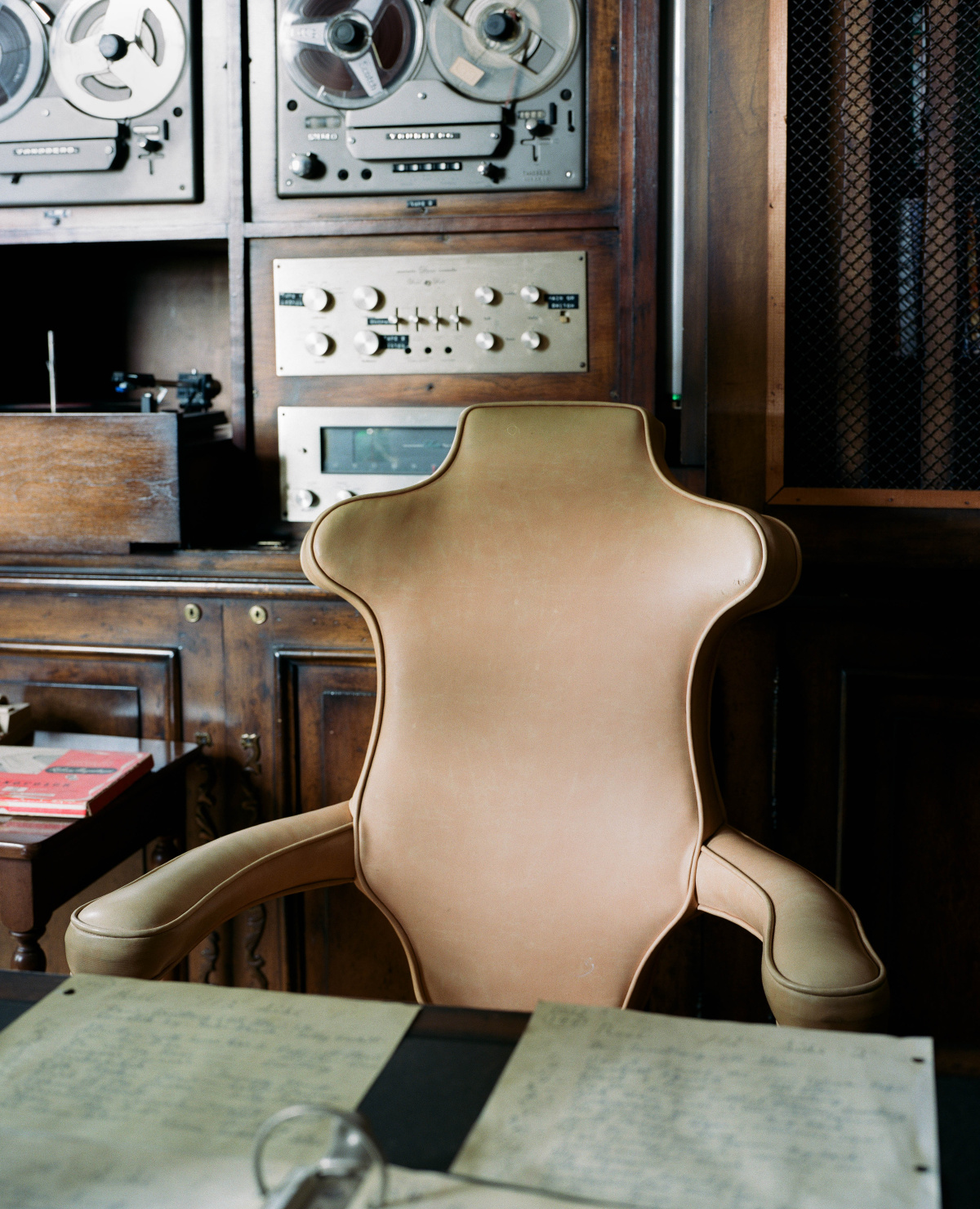
- Louis Armstrong’s office reflects his deep obsession with HiFi sound, featuring a sought-after Swedish system and a unique network of in-home microphones. “He was really obsessed with sound to the point where in that house, he had microphones installed from room to room that could be activated by a ‘push’ button on the wall. That way he could record him and his wife having a conversation. I think there are over 1,000 field recordings he made in his own house.”
-
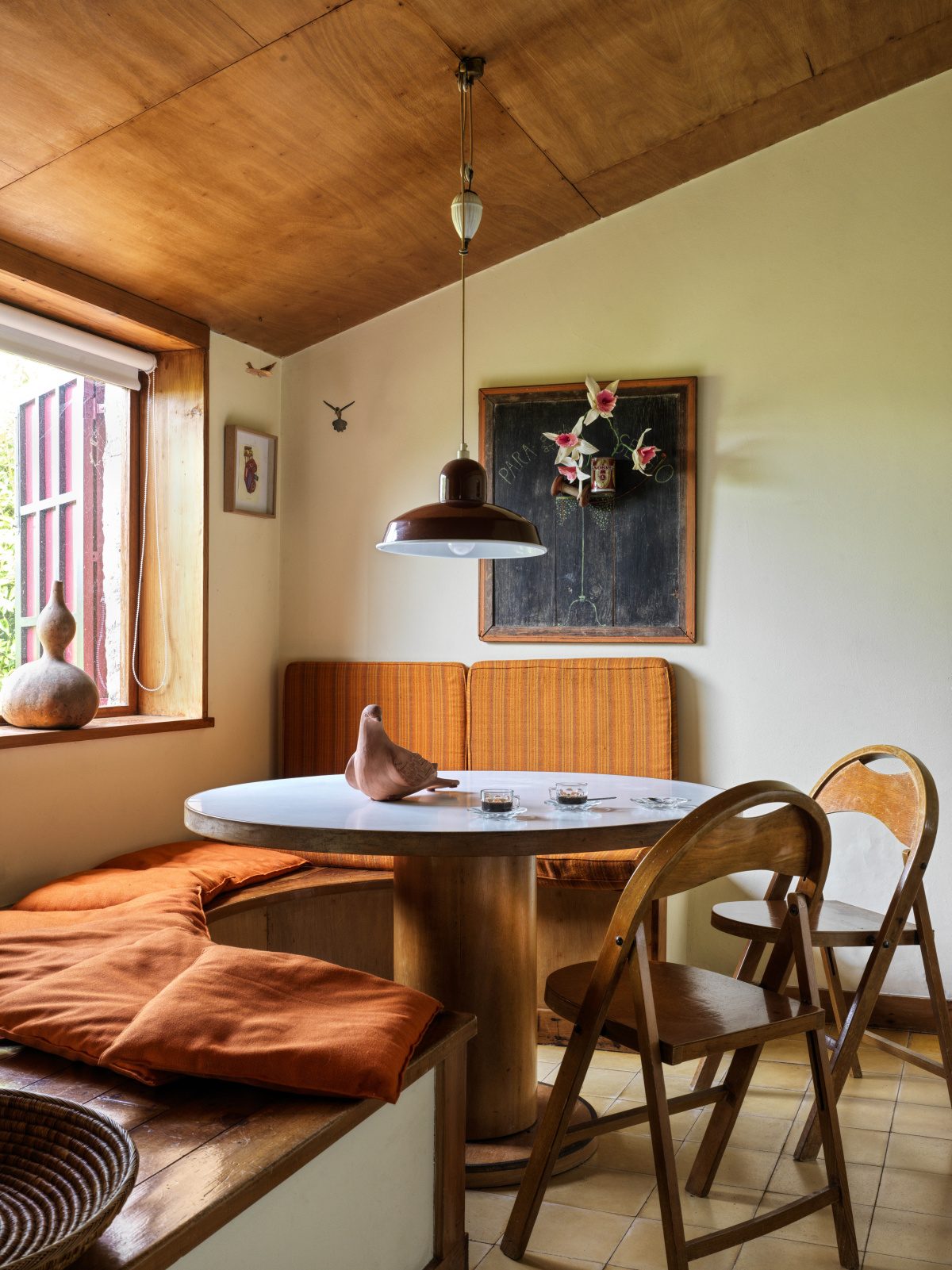
- Perched on a cliff in Portugal, this humble mid-century home was designed in the 1950s by a modernist architect who still lives there today. “He always thought he’d meet someone, get married, and share the house. But he never did, so he lived there by himself for 75 years. The surrounding area has other midcentury houses designed by his contemporaries. It’s a small community of houses built by different architects who knew each other and were inspired by one another in Portugal during the ‘50s and ‘60s. They all have modest but brilliant designs, making it a really cool community.”
-
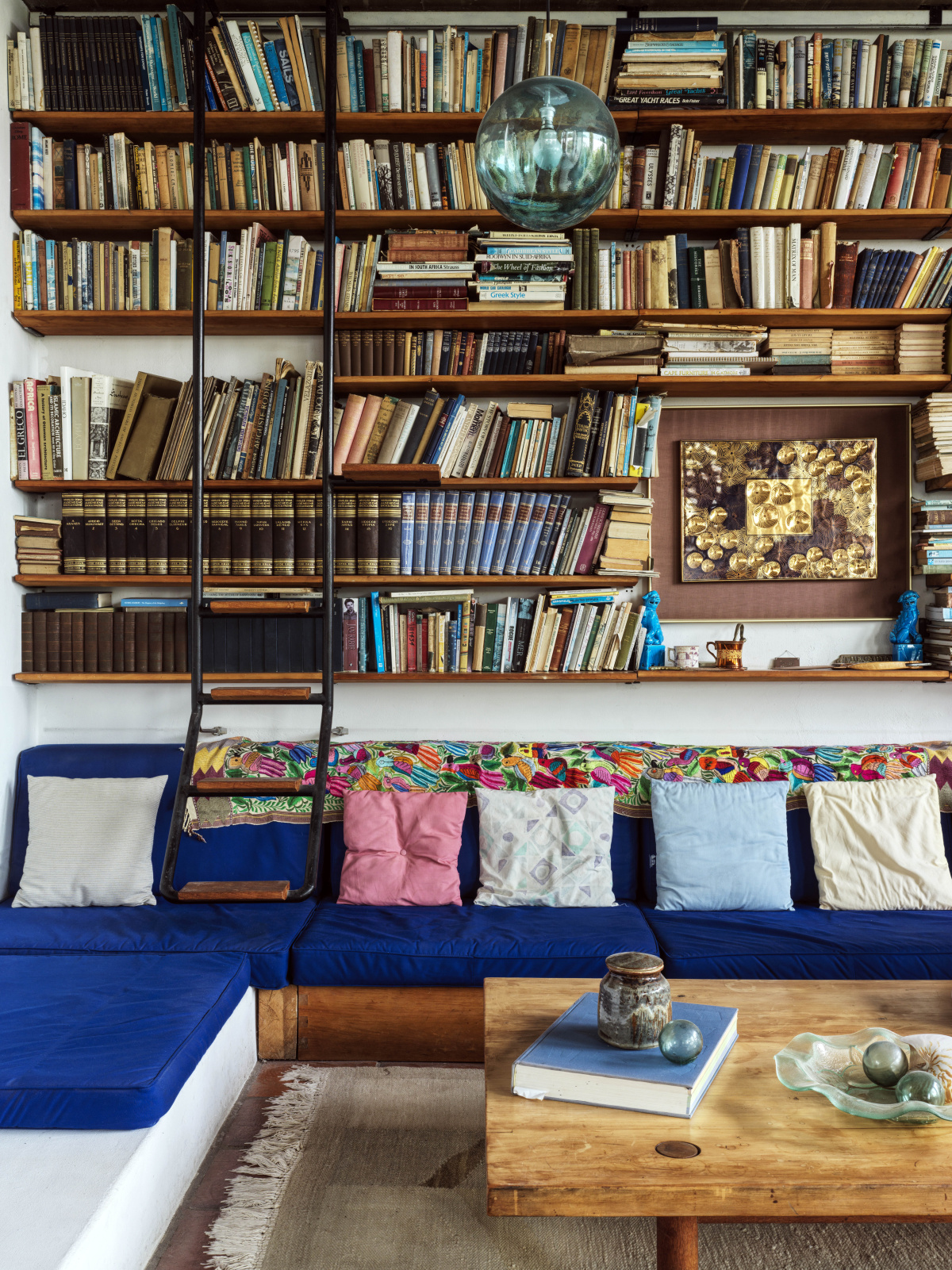
- Built in the 1970s by a husband-and-wife architect duo in Cape Town, this home was a true family effort. “The husband even sold the family car to buy a cement mixer,” he says. “The house has this amazing fireplace, and if you see the exterior, there’s a super tall chimney, which is pretty unusual for South Africa at the time. This is one of the most important rooms in the house. It’s filled with hundreds of books, and the brilliant sofa is still there. The husband passed away, but his wife, who’s in her late 90s, still lives there.”
A version of this article originally appeared in Sixtysix Issue 14.