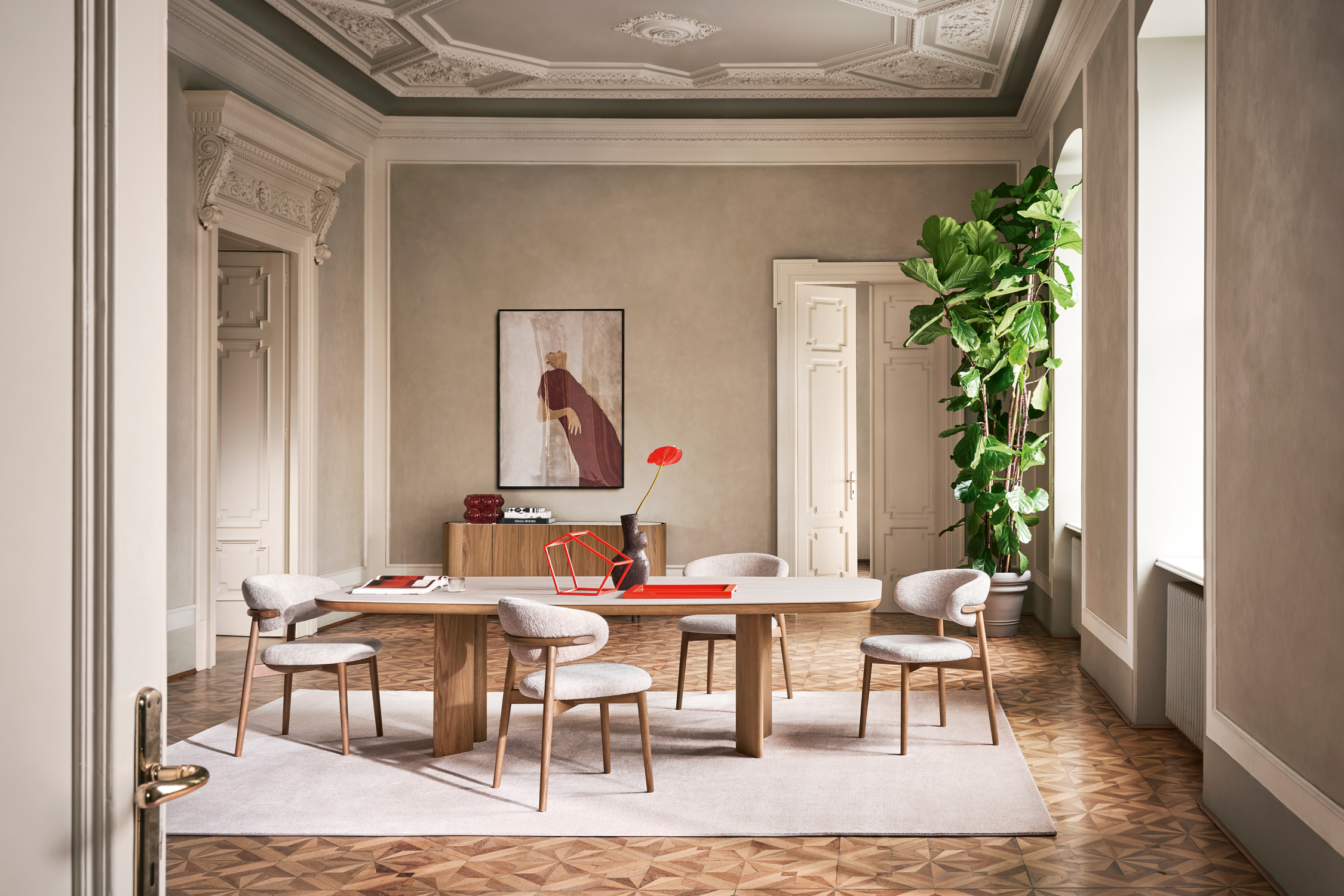
When design and architecture studio Archirivolto Design conceived the Oleandro chair for Calligaris in 2020, the brief was deceptively simple: build something deeply comfortable, structural, and rooted in the company’s century-long relationship with wood. Six years and 130,000 units later, the Italian furniture company hasn’t changed much about it.
Calligaris was founded in 1923 in Friuli-Venezia Giulia, a region in northeastern Italy where woodworking has been a way of life for generations. The brand spent its first century learning how to make a chair well, and that history is built into the Oleandro.
“Wood has always been part of our DNA,” says Michele DeMarchi, Managing Director of Calligaris. “Oleandro wasn’t conceived as a statement piece, but as a product deeply rooted in usability and craftsmanship. It’s a chair people would actually want to live with.”
-

- The Oleandro is one of the most imitated chair silhouettes in contemporary seating, according to the company.
-
- Photos courtesy of Calligaris
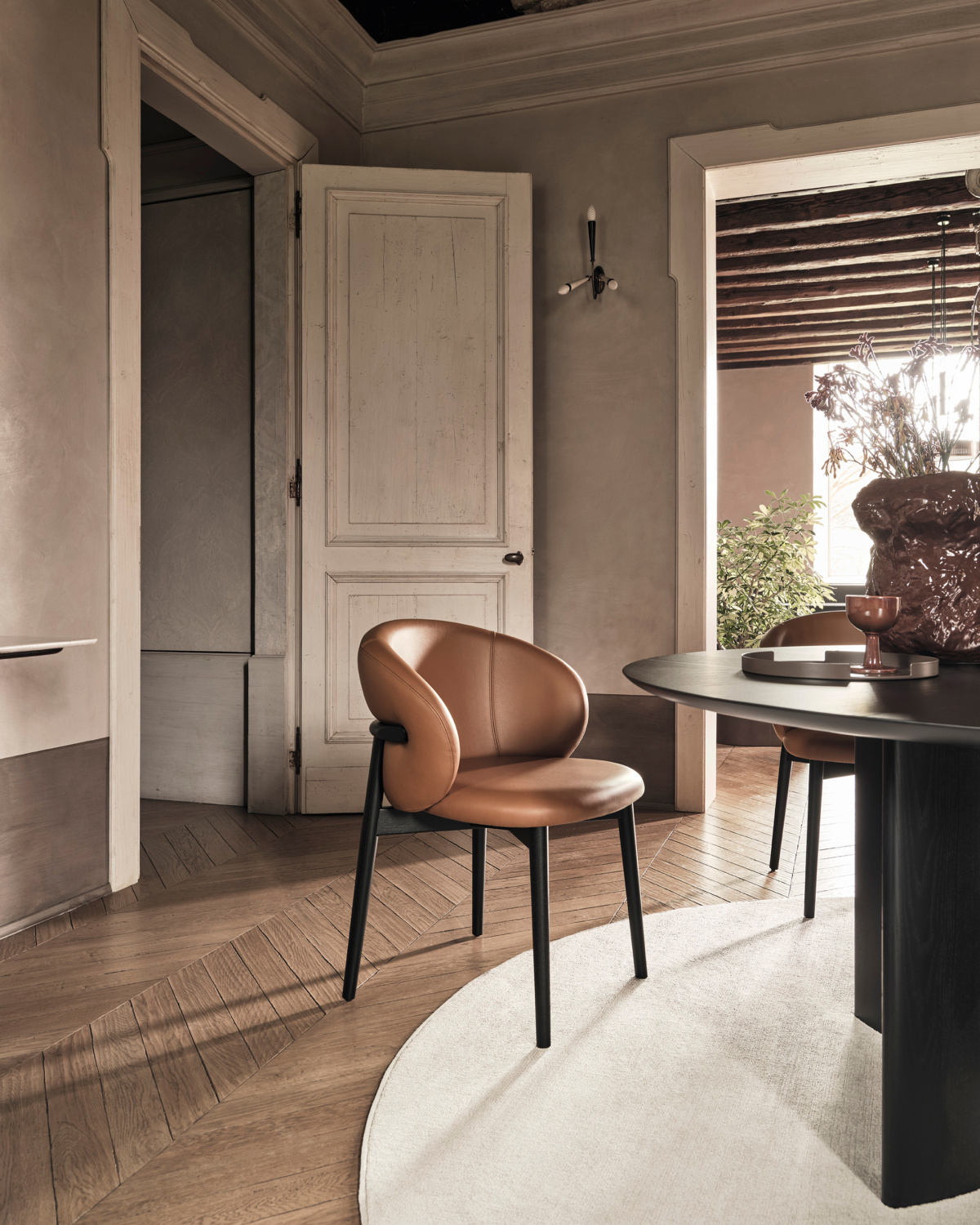
Archirivolto’s approach made the group a natural fit. Founded in 1983 by Marco Pocci and Claudio Dondoli, who met as architecture students in Florence, the Tuscan studio has spent four decades specializing in seating design with a philosophy centered on making good design accessible rather than exclusive. For the Oleandro, they turned that ethos into a chair with a sturdy ash wood frame, a padded seat, and a modeled backrest that curves around the body in one continuous enveloping gesture.
“Oleandro is one of the most copied chairs in the world,” Michele says. “While we’re obviously very pleased about this because it means it’s highly regarded, we have to be very careful to protect its identity.”
The Oleandro takes its name from the oleander plant, with its tapered, flattening backrest drawn directly from the shape of the plant’s leaves. A detail borrowed from nature, translated into a design language that is, six years on, instantly recognizable.
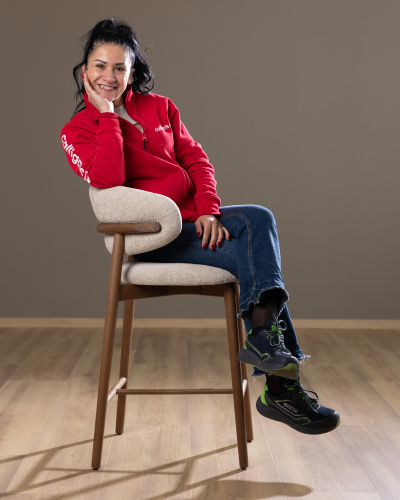
While that identity has remained intact, a larger product family has also grown around it. The original dining chair now sits alongside a stool and a bed.





-
- Photos courtesy of Calligaris
“We’re always refining,” says Michele. “Manufacturing techniques, finish options, ergonomic parameters. It’s often invisible, but it’s what keeps the chair feeling current without losing what it is.”
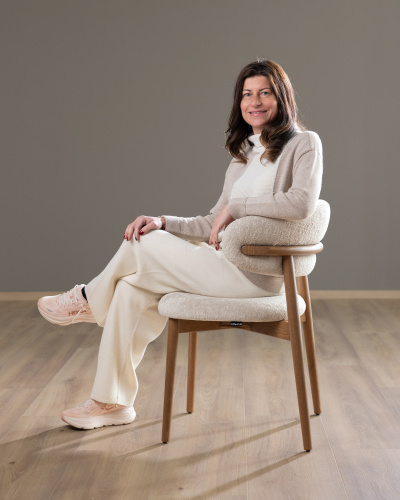
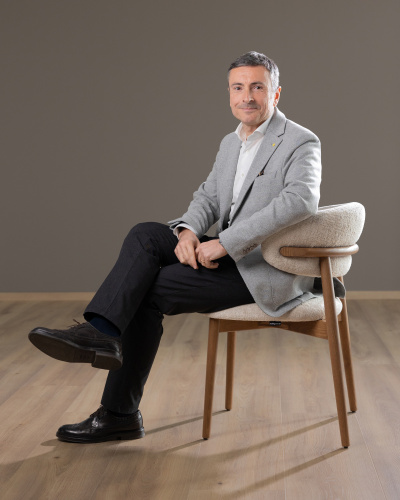
The latest chapter in the Oleandro’s story makes that care visible. A new campaign, titled “Oleandro. Unica, come noi” (“Unique, like us”), was conceived entirely in-house. It hands the narrative to the people who know the chair best: 52 Calligaris employees including designers, engineers, and production specialists, photographed alongside the Oleandro and asked to describe it in a single word or feeling.
The campaign launched across the personal social media profiles of everyone involved, each posting their portrait with the phrase “Unica, come noi,” a chorus of individual voices making the same point from different angles. It has since extended to Calligaris stores around the world.
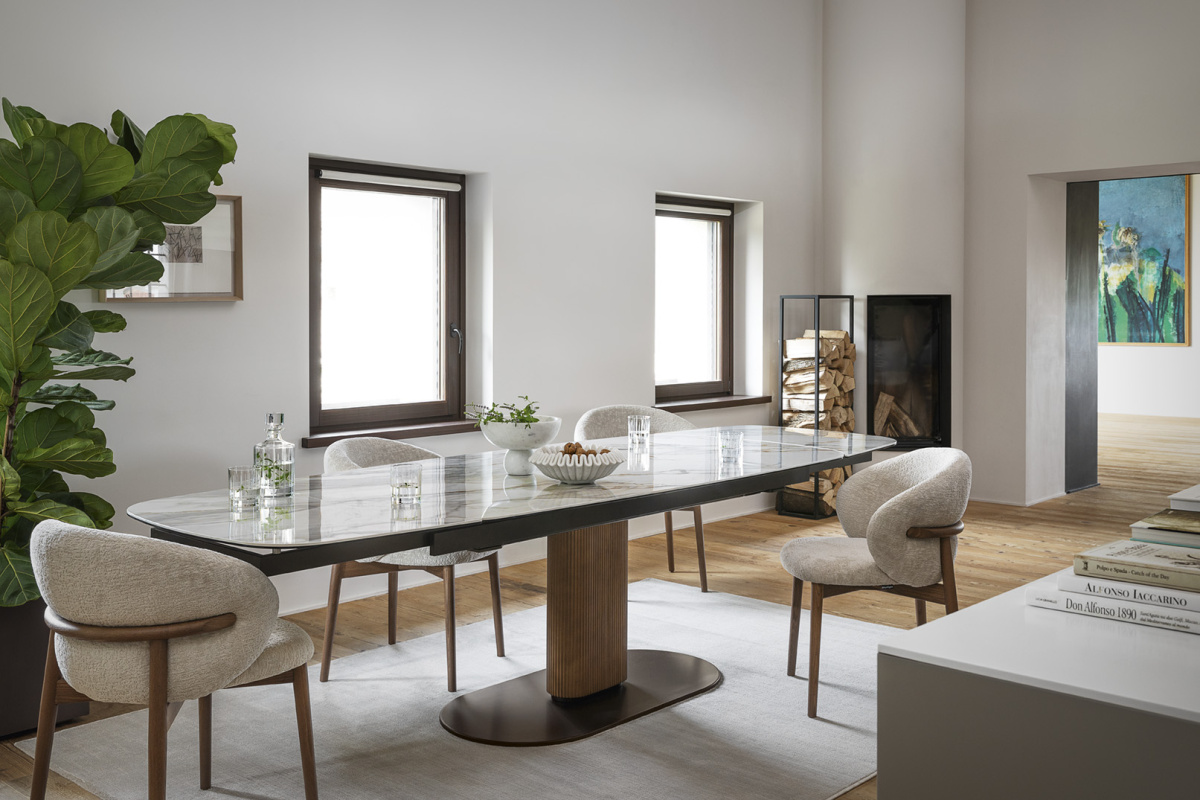
The Oleandro takes its name from the oleander plant, with its tapered, flattening backrest drawn directly from the shape of the plant’s leaves. A detail borrowed from nature, translated into a design language that is, six years on, instantly recognizable. Photo courtesy of Calligaris
“The campaign emphasizes that this chair is not just a design object,” Michele says, “but the result of shared skills, craftsmanship, and a collective identity within the company.
“What’s hard to grasp simply by looking at it is its complexity. Oleandro is the perfect summary of the people who designed it and produce it every day; a collective story in which individuality and a shared vision coexist.”